
Last updated November 25, 2026
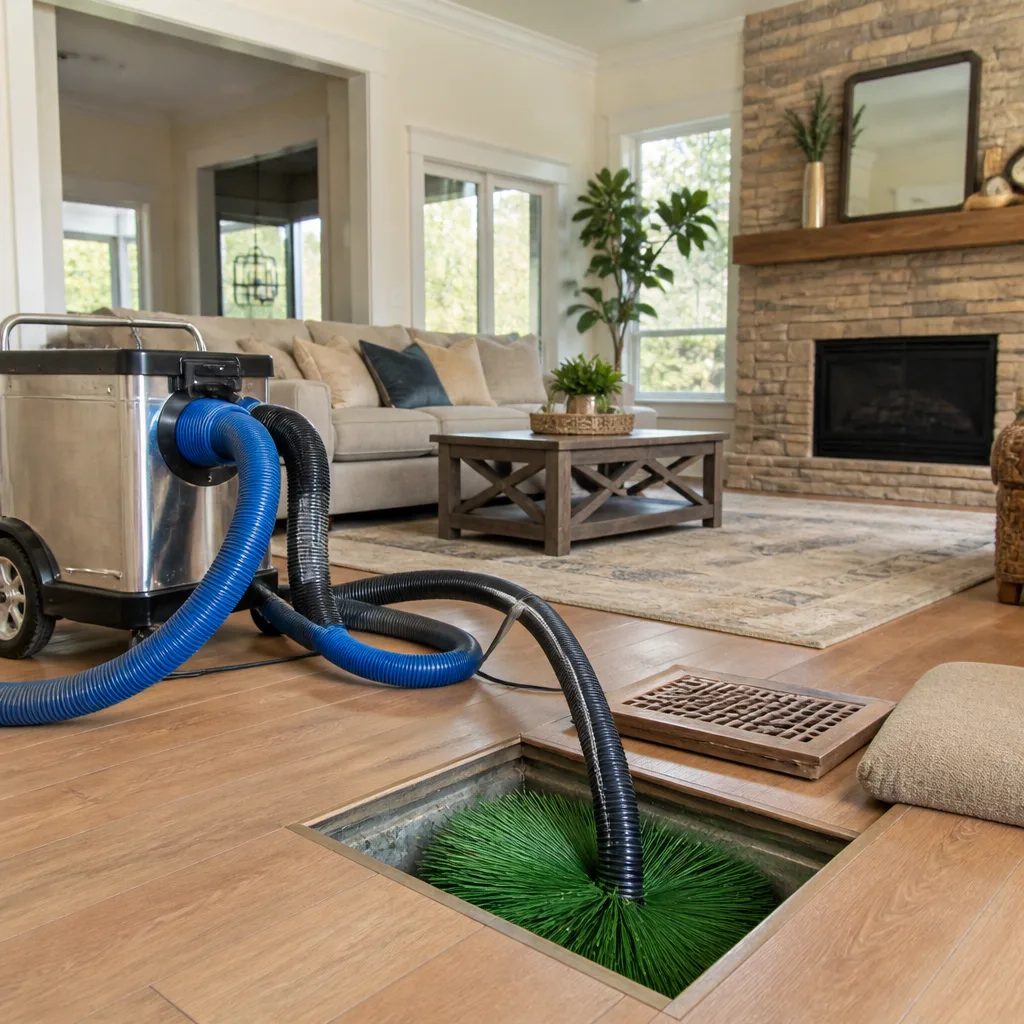 Whole-home duct cleaning
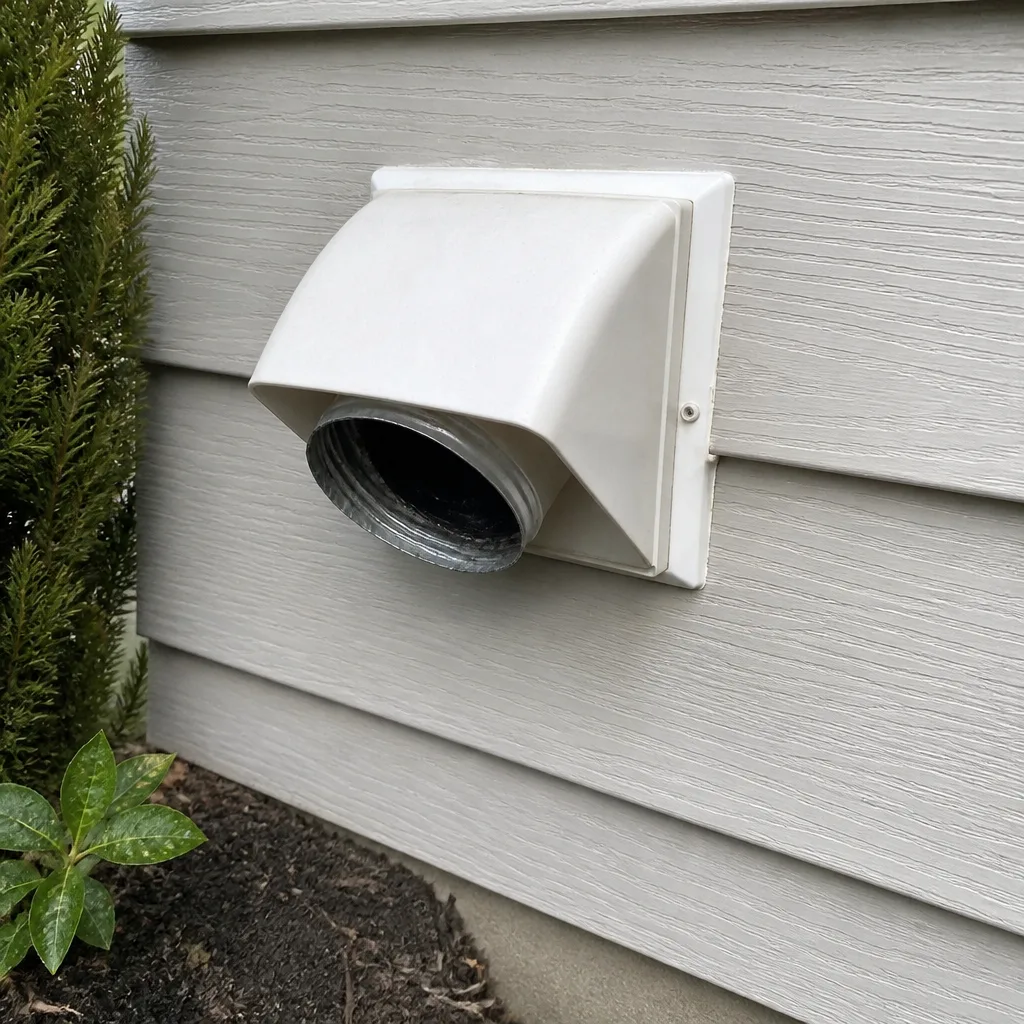 Dryer vent cleaning
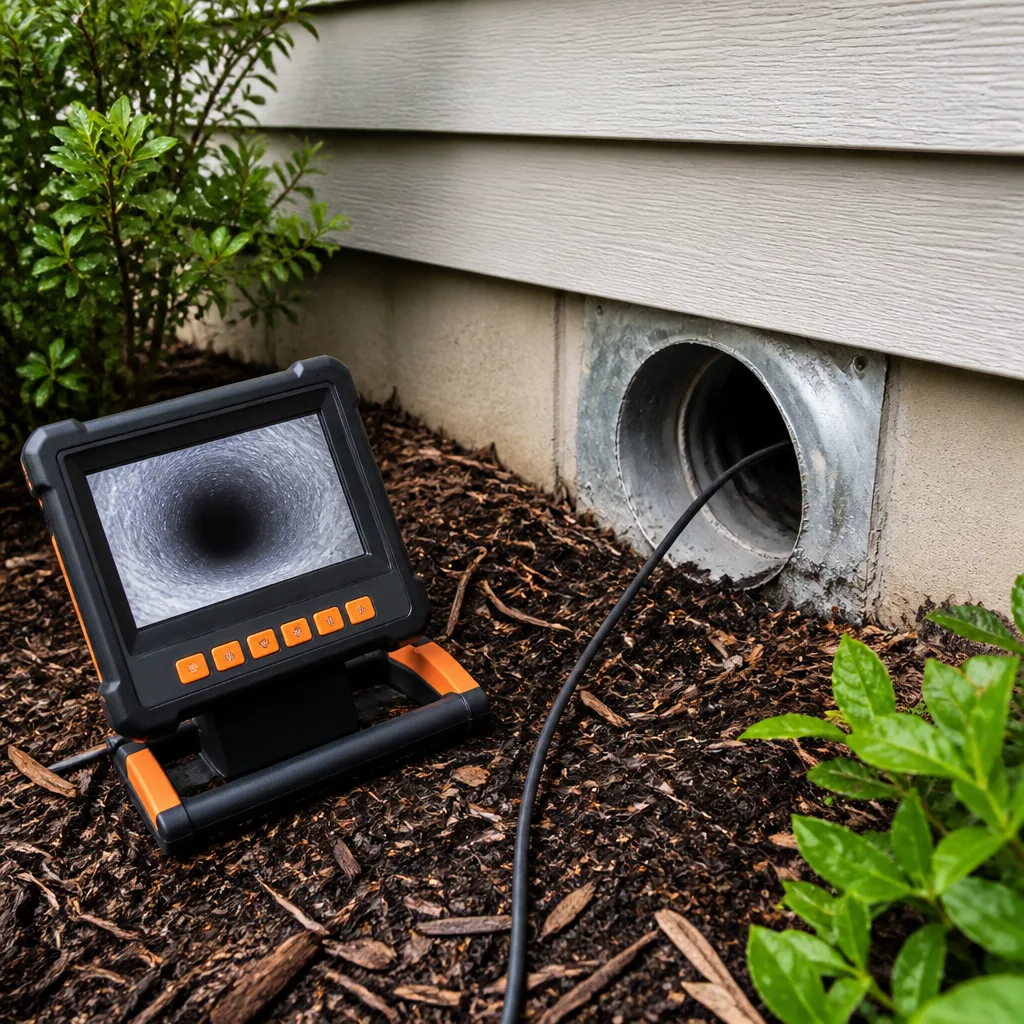 Camera inspection
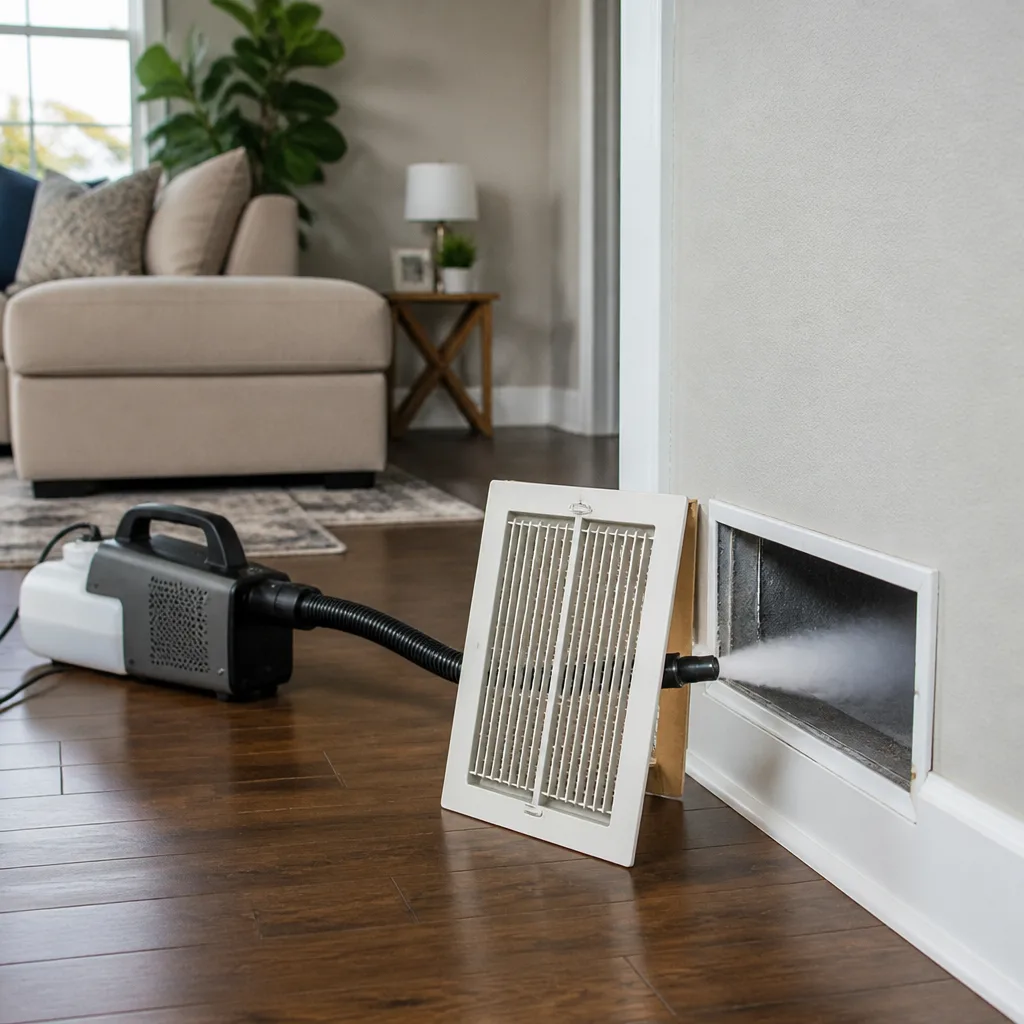 Sanitizing & deodorizing
Whole-system duct and dryer vent check with before-and-after photos - you see exactly what came out of your vents
That "$99 whole-house special" is a bait ad - the real number appears once they are in your hallway, or the "clean" is a shop-vac at the register. We photograph the inside of your ducts before and after instead.
Air Duct Cleaning Warning Signs: A Torresdale Homeowner’s Reference Guide
Most guides tell you to watch for dusty vents. That advice is nearly useless, because every home in Torresdale has some dust at the registers. Here’s the part those articles leave out: the pattern of the dust matters more than the dust itself. A dark ring around a supply vent is a pressure map. A musty smell that only shows up in the first thirty seconds of the heating cycle is pointing to a specific location inside the duct run. This guide connects what you see to what’s actually happening inside your ducts, so you can tell the difference between a house that needs a cleaning and a house with a system problem. We’ll cover register staining, odor timing, uneven room temperatures, and why the gas bill creeps up without any equipment change.
Quick Answer
Air duct cleaning warning signs in Torresdale include black staining around supply registers, musty odors that appear at system startup, rooms that never reach temperature, visible debris at return grilles, and rising utility bills with no equipment change. Each sign points to a different mechanism inside the duct system – filtration bypass, moisture intrusion, leakage, or contamination entering through returns – so the right response depends on which pattern you’re seeing.
Styles & brands we work with
- Whole-home duct cleaning
- Dryer vent cleaning
- Camera inspection
- Sanitizing & deodorizing
Table of Contents
- What Black Rings Around Supply Registers Really Mean
- Musty Odors at Startup vs. Persistent Musty Odors
- Uneven Heating and Cooling as a Duct Leakage Diagnostic
- Rising Utility Bills Without Equipment Changes
- Debris at Return Grilles vs. Supply Registers
- What Duct Cleaning Alone Doesn’t Fix
- How We Evaluate a Torresdale Duct System
- Common Mistakes to Avoid
- Frequently Asked Questions
What Black Rings Around Supply Registers Really Mean
A black ring around a supply register is a pressure signature. It doesn’t just mean dust exists in your ducts – it means air is moving at the wrong place and at the wrong speed. When a duct leaks near the register boot, or when the register isn’t seated tightly against the drywall, conditioned air escapes sideways instead of pushing straight into the room. That escaping air carries fine particulate with it, and the particulate deposits at the edges where the stream slows down. The result is a dark halo with a cleaner center, which is exactly the opposite of what most homeowners expect from “dirty ducts.”
In Torresdale’s older rowhouses and semi-detached homes, we see this pattern a lot around registers on exterior walls, where temperature swings between heating and cooling seasons stress the drywall-to-boot seal. There are three distinct staining patterns worth learning to read:
- Uniform gray fuzz, no distinct ring: normal dust loading. The duct may be due for cleaning, but the system isn’t leaking.
- Dark ring at the perimeter with a clean center: filtration bypass or a loose boot seal. Air is escaping around the edges, not through the register. This is a system problem, not just a cleaning job.
- Streaking in one direction only: air is being pulled through a gap from unconditioned space (attic, crawlspace, or wall cavity), carrying insulation fibers and construction dust with it.
That second and third pattern are why a proper diagnostic visit matters. Our technicians have up to 12 years of experience and their first step on an inspection is examining the register-to-boot connection, not the interior of the duct. The connection is usually where the story starts. If you want to see what a full diagnostic visit looks like, the Air Duct Cleaning Torresdale page walks through the equipment and scope.
Musty Odors at Startup vs. Persistent Musty Odors
Timing tells you everything about a musty smell. An odor that shows up only in the first thirty to sixty seconds of the heating or cooling cycle, then fades, is almost always coming from a localized contamination source that sits in the path of the initial airflow. A musty smell that stays present the entire time the system runs is a different problem entirely, usually moisture that has saturated a section of duct insulation or an interior duct lining. Both are warning signs, but they lead to different remedies.
Startup-only odors point toward:
- The evaporator coil pan or drain line, where a small amount of standing moisture feeds biological growth that gets pushed out when the system first starts.
- A short, poorly insulated duct run in unconditioned space that condensates during cooling and dries out once airflow is established.
- A return grille that’s pulling air through a wall cavity with previous moisture history.
Persistent odors point toward a longer list of culprits, including duct liner that has been wetted by a coil freeze or a condensate overflow, a return plenum pulling from a damp basement, or biological growth in the air handler cabinet itself. In Torresdale’s humid summers, we see this pattern cluster around ductwork in crawlspaces and basements, where relative humidity stays high even when the upstairs feels dry.
Odor investigations benefit from containment-level air filtration equipment. That’s where the Abatement Technologies equipment we carry becomes relevant: on jobs where biological growth or contamination needs to be contained during service, that’s the tool for the job. We use our air duct cleaning service as the first step in odor work, but persistent smells usually need a sanitizing step and a repair step afterward.
Uneven Heating and Cooling as a Duct Leakage Diagnostic
Which room gets cold first tells you where the duct system is leaking. This is one of the most useful things a homeowner can learn, and it’s rarely explained this clearly. Duct systems are designed with a specific balance of pressure and airflow. The rooms at the end of the longest runs, the rooms on the upper floor, and the rooms furthest from the air handler are the first to show symptoms when the system loses static pressure. If those are exactly the rooms that go cold, you’re looking at a leakage or partial obstruction problem, not a furnace problem.
Here’s how to map symptoms to duct runs:
- Coldest room is on the top floor and furthest from the air handler: the trunk line feeding that floor has likely lost pressure through a leak, a disconnected joint, or a crushed flex run.
- Coldest room is over a garage or porch overhang: the duct serving that room is probably running through unconditioned space with inadequate insulation. The air is arriving cold, not just arriving slowly.
- One whole side of the house is cold, the other is fine: a trunk or branch running through the center of the home may have a joint separation. This is common in homes that have had additions or renovations.
- The furthest rooms are fine but the middle rooms are cold: the system is over-supplying some runs and starving others, an airflow balance issue that cleaning alone won’t fix.
Torresdale rowhouses and twins often share wall assemblies with neighbors, and duct runs that look interior may actually be running through a shared unconditioned cavity. That’s why we check the actual duct path on any uneven-temperature call. If a run is separated or crushed, we address it under our HVAC cleaning and repair scope, because cleaning a system that leaks just redistributes the problem.
Rising Utility Bills Without Equipment Changes
When the gas or electric bill climbs and nothing on the mechanical side has changed – same equipment, same thermostat setpoints, same occupancy – the cause is usually degradation of the distribution system, not the equipment itself. Duct leakage and disconnected joints reduce the amount of conditioned air that actually reaches the rooms, so the equipment runs longer to satisfy the thermostat. The thermostat reads the temperature at its own sensor location, and if the sensor’s duct run is tight while every other run is leaking, the house can feel cold while the thermostat thinks everything is fine.
Signs worth tracking before you assume the furnace or AC is failing:
- The bill climbs gradually over two or more seasons instead of jumping in one cycle.
- The system runs longer but the house doesn’t feel meaningfully warmer or cooler than last year.
- The blower sounds louder than it used to – a static pressure sign that the system is working harder to move less air.
- One or two rooms still never satisfy even with the system running continuously.
What we usually find in Torresdale homes that fit that pattern is duct tape that has dried and failed at joints, flex duct that has sagged or been crushed in an attic or crawlspace, or a boot that has pulled loose from a register. These are repair items. Cleaning the ducts removes the contamination that leaked in through those openings, but the openings have to be sealed afterward to actually recover the lost efficiency. That’s what our duct repair and sealing service is for, and it’s the step most cleaning-only companies skip.
Debris at Return Grilles vs. Supply Registers
Where the debris collects tells you where the contamination is entering the system. Debris at return grilles means the contamination is coming from inside the house – carpets, pets, cooking, and everyday household dust – and getting pulled into the return path before it ever reaches a filter. That’s a maintenance and filtration-quality issue, not a duct contamination issue. Debris at supply registers means contamination is already inside your duct system and is being pushed out into your rooms. That’s a cleaning issue, and often a source issue as well.
The distinction matters because the fix is different:
- Return grille debris: the system is doing its job collecting dust, but the filter, the return grille itself, or the return plenum has reached loading. Cleaning the grille and improving the filter may be enough.
- Supply register debris: the ducts have accumulated a load that is now being distributed into living space. A full-system cleaning is warranted, and the source of the loading needs to be identified.
- Both: the filtration barrier is failing somewhere. Either the filter is bypassing at the cabinet, or the return is pulling from an unfiltered opening (like a wall cavity or attic).
Our technicians check filter fit on every visit, because a filter that doesn’t seal to its frame lets nearly all the dust it was meant to catch pass straight through. We use professional-grade Rotobrush and Nikro equipment for the cleaning itself, but the diagnostic step comes first. Cleaning without fixing the source of the loading gives you a clean system that gets dirty again.
What Duct Cleaning Alone Doesn’t Fix
Cleaning removes accumulated contamination. It doesn’t close leaks, restore crushed duct runs, correct filtration bypass, or handle a moisture problem that keeps returning. This is the single biggest gap between what homeowners expect from “duct cleaning” and what the job actually covers. A low-bid crew with a shop vac will clean the accessible ductwork and leave the leakage, the bypass, and the moisture untouched – and the warning signs come right back in a season or two.
Here’s how a proper full-system approach breaks down:
- Diagnose first. Register staining, odor timing, thermal patterns, and debris location are read together to determine which mechanisms are at play.
- Clean the system. Professional equipment (Rotobrush, Nikro, and containment-grade filtration as needed) removes the contamination load without stirring it into living space.
- Repair and seal. Loose joints, disconnected boots, crushed flex runs, and unsealed plenum penetrations are closed so the system holds pressure and stops pulling from unconditioned space.
- Sanitize where warranted. Odor and biological growth cases benefit from a sanitizing step once the source has been corrected.
- Improve the intake. Where the filter housing is the weak point, whole-home filtration options from Honeywell and Aprilaire can upgrade what the system catches in the first place.
The Guardsman-level surface and finish protection awareness built into our process also matters on a full-system job: we cover floors, trim, and furniture before the equipment comes in. That’s part of doing the work properly, not an extra.
How We Evaluate a Torresdale Duct System
A duct evaluation should be walkable and observable. You should be able to follow what the technician is doing and why. When we assess a Torresdale home, here is the sequence:
- Register-by-register walkthrough. Every supply register is checked for staining, seating, and airflow feel. Every return grille is checked for loading and filter fit.
- Air handler inspection. The blower cabinet, coil area, filter frame, and plenum connections are checked for microbial growth, standing moisture, and bypass.
- Duct path tracing. Runs through attic, crawlspace, basement, and wall cavities are traced to identify leaks, separations, and crushed sections.
- Pressure and temperature readings. Static pressure and supply-to-return temperature differentials help identify where the system is losing efficiency.
- Documentation. We show you what we find. Photos of the inside of the ductwork before and after any cleaning are part of the service, and the findings are explained in plain language.
This is where the difference between a cleaning crew and a full-system indoor air specialist shows up. We carry equipment capable of diagnosing and treating everything from a light cleaning to a remediation-level job, and we carry Honeywell and Aprilaire product capability for the homes that need filtration upgrades rather than just a cleaning. If your dryer vent is also showing signs of lint loading, that’s a separate but related service in our dryer vent cleaning category.
Common Mistakes to Avoid
- Judging a duct system by the dust at the register alone. Dust can mean a cleaning is due, a filtration bypass is present, or the filter needs replacing. The pattern is the diagnosis, not the dust.
- Assuming rising bills point to equipment failure. Many Torresdale homes that get a furnace replaced for a bill complaint had a leaking duct run the whole time. Check the distribution system before you replace equipment.
- Choosing a quote purely on price. A low-bid cleaning that doesn’t include a diagnostic, a repair step, or photo documentation leaves the source problem in place. The second cleaning a year later costs more than doing it properly once.
- Ignoring a musty smell that only shows at startup. Startup-only odors are easy to dismiss because the house feels fine after a minute. They almost always trace back to standing moisture at the coil or a wetted duct section, and moisture left alone grows.
- Cleaning the system without fixing the leakage. Every leaked joint pulls dust in from unconditioned space. Cleaning without sealing means the system re-loads from the same opening.
- Overlooking the return side. Most warnings live at the returns, not the supplies. Return grilles, return plenums, and filter frames are the entry points, and they need as much attention as the trunks.
- Skipping the filter fit check. A filter that doesn’t seal to its frame is a bypass. Fit matters as much as filtration rating, and it’s the cheapest improvement most systems can get.
See the difference
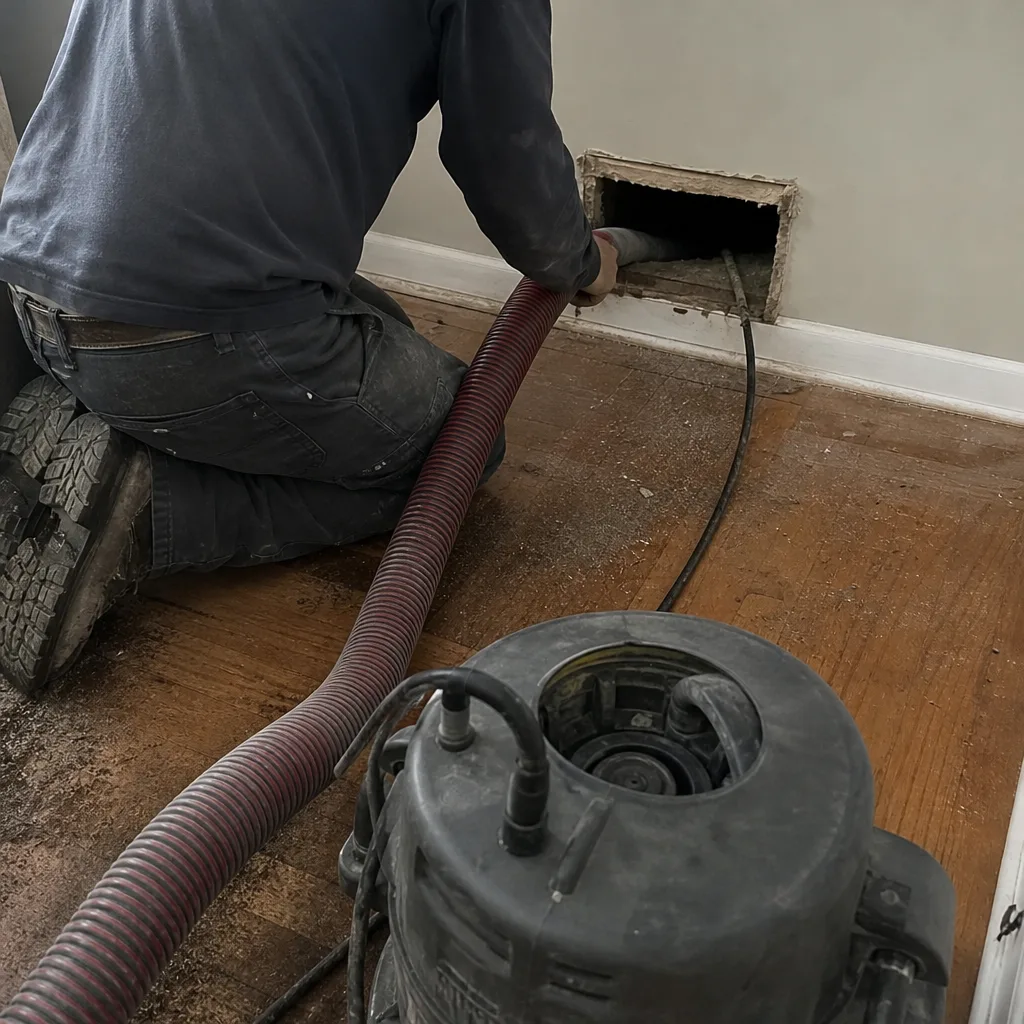 Before
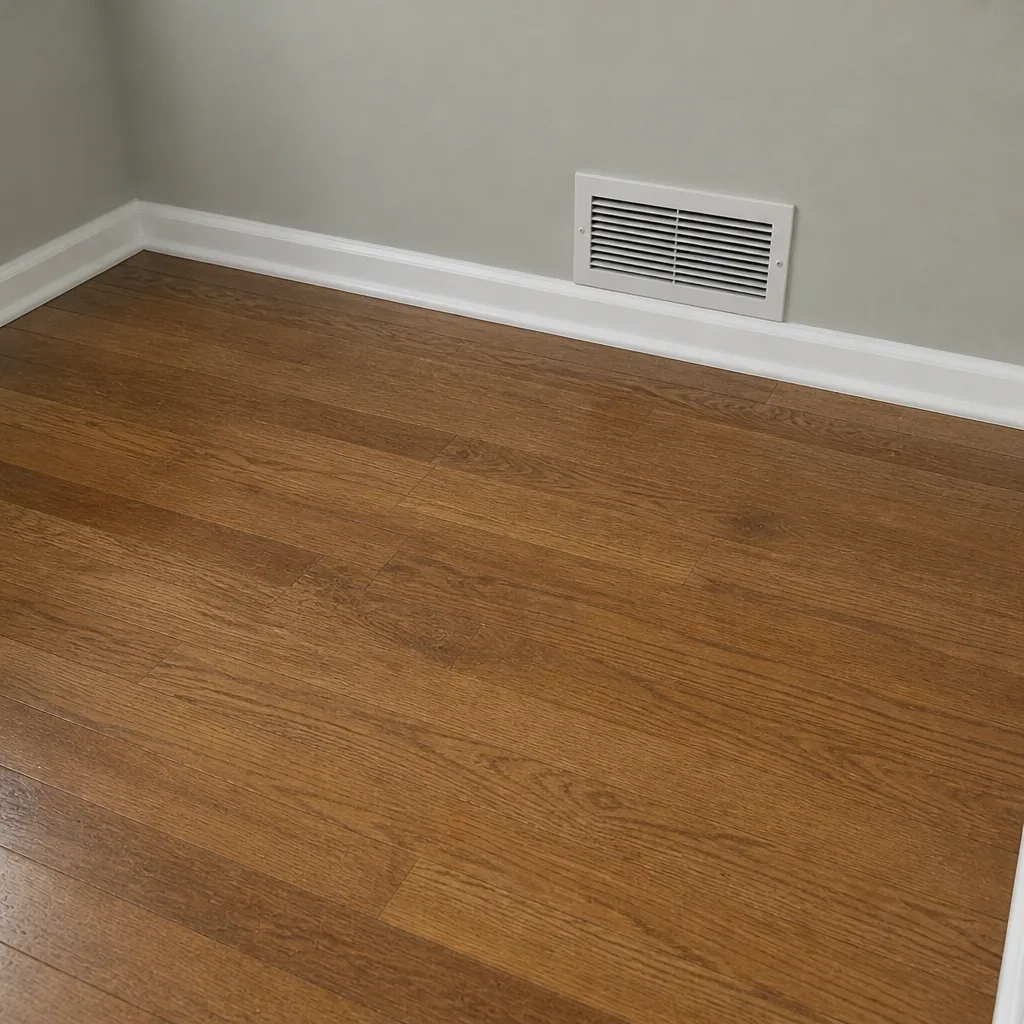 After
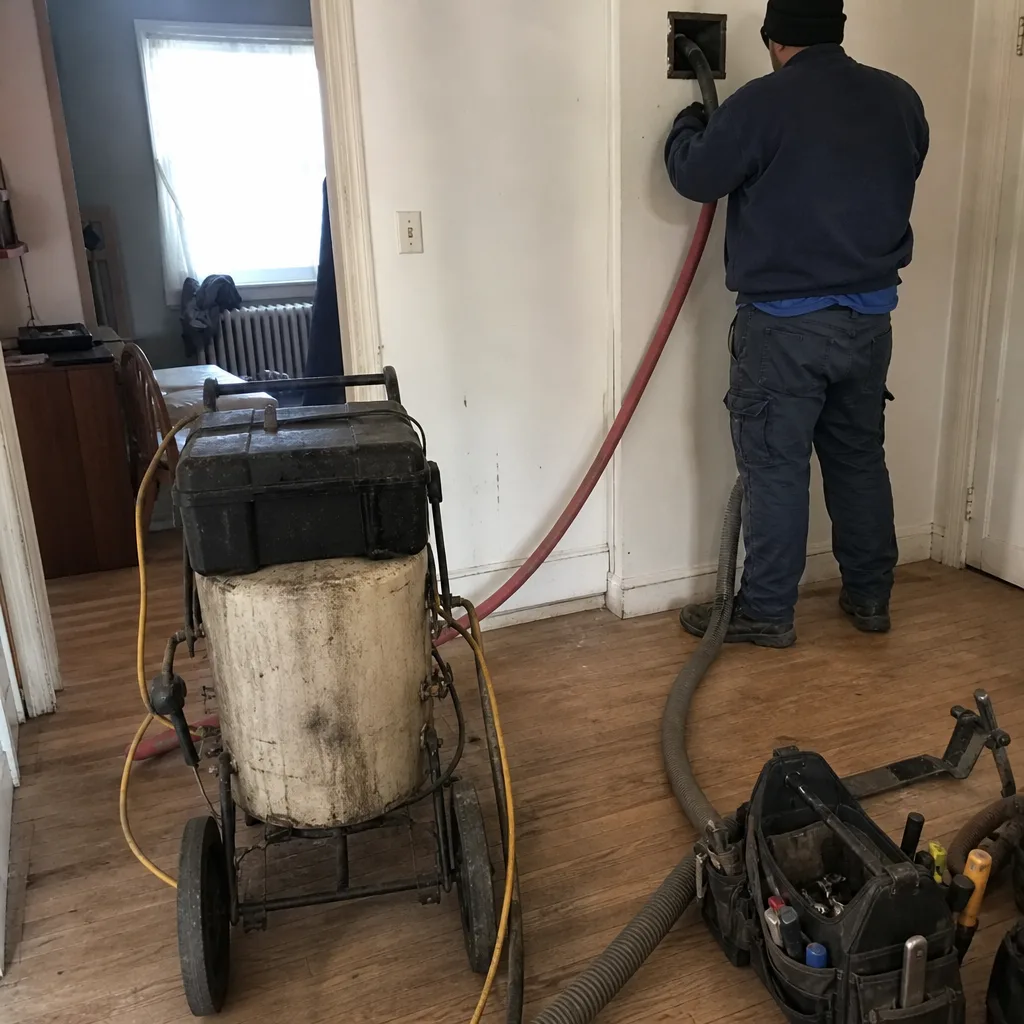 Before
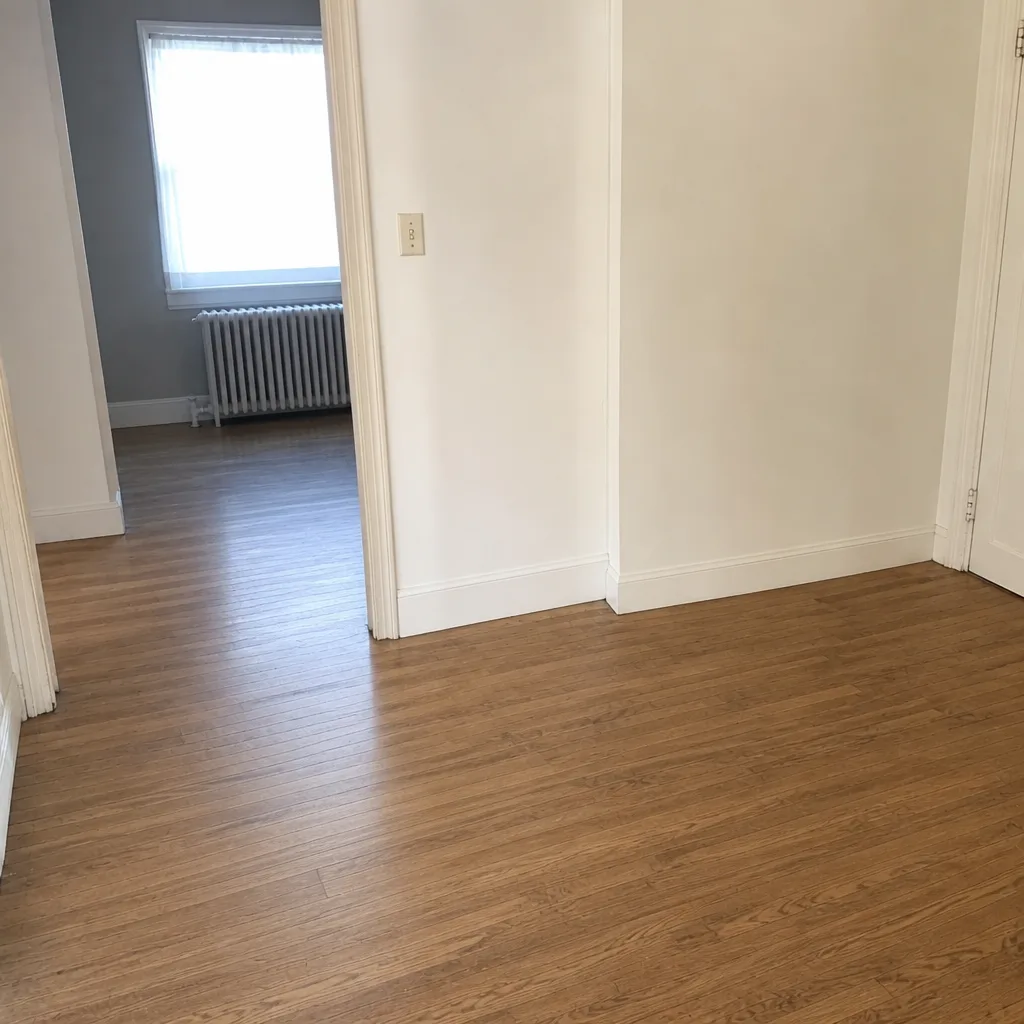 After
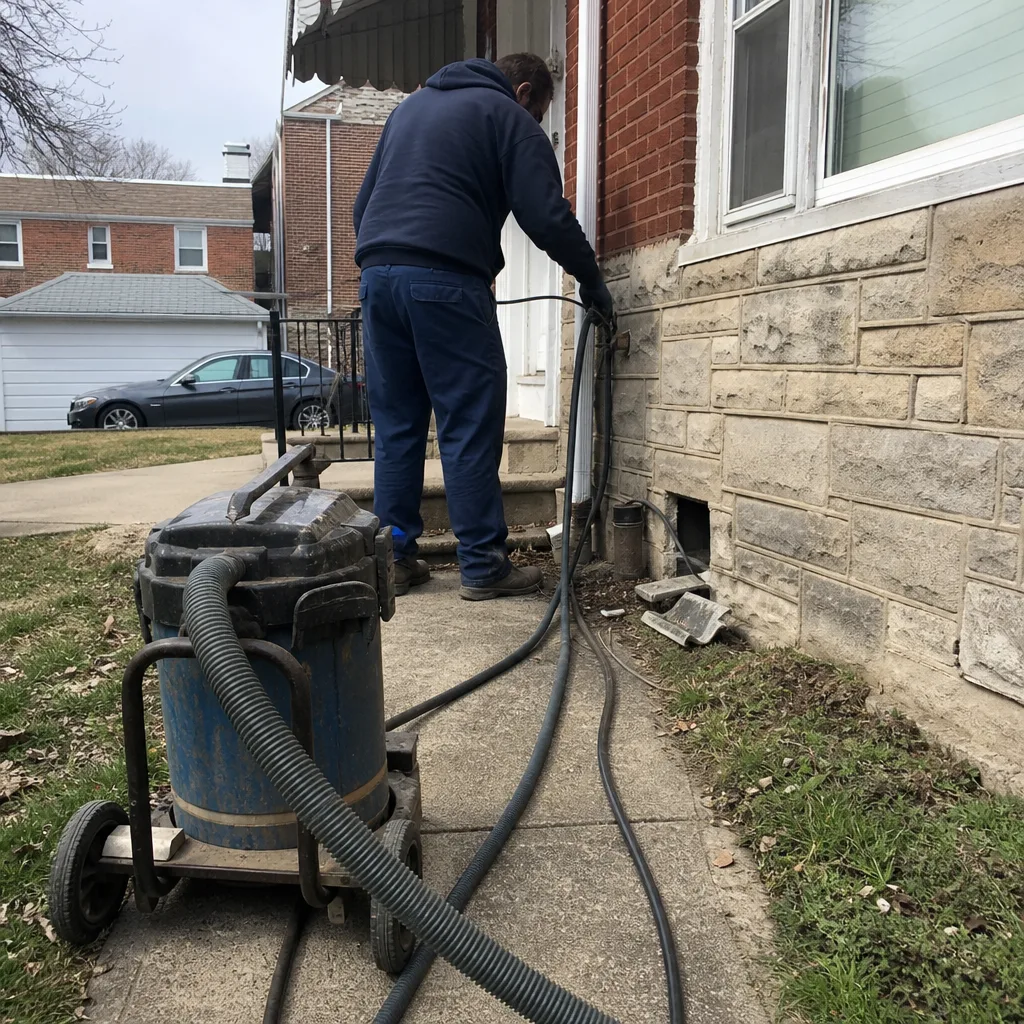 Before
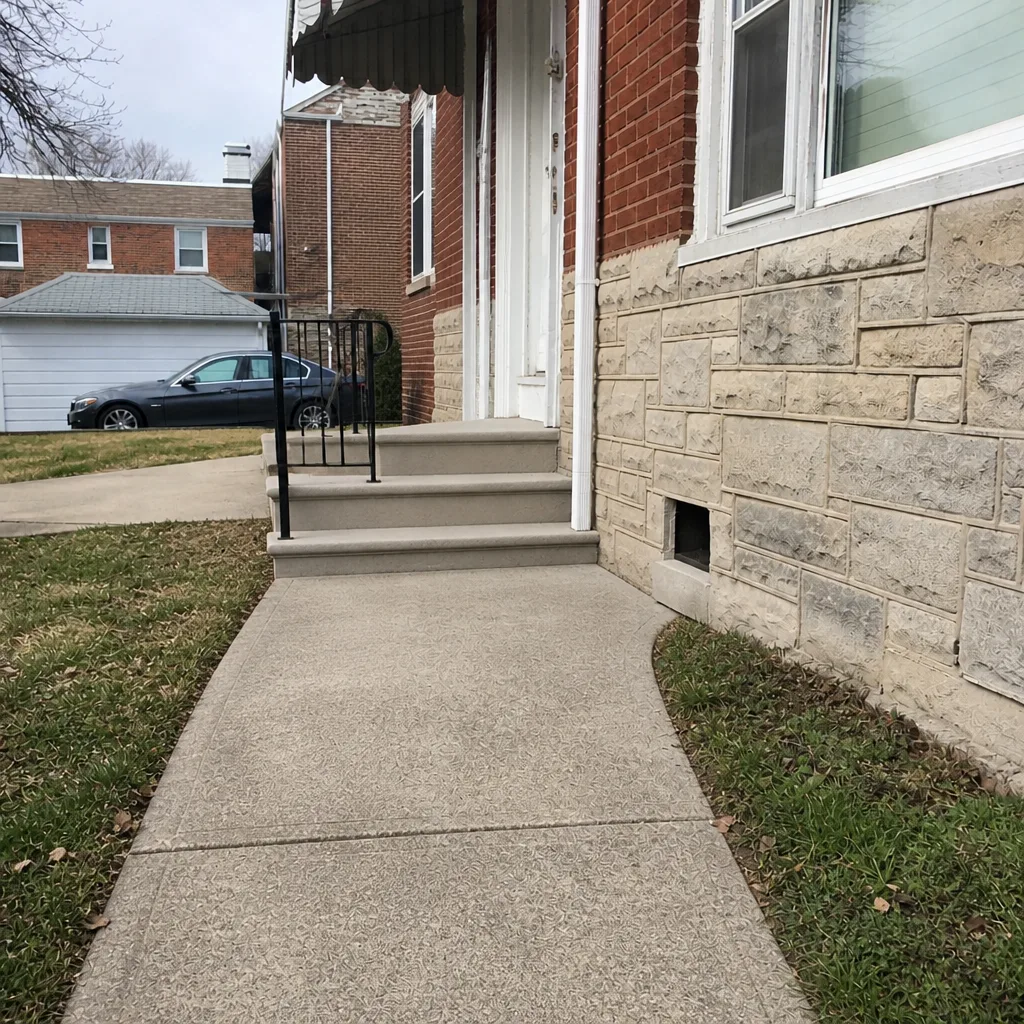 After
When to Call a Professional
Call a professional when you’re seeing more than one warning sign at once, when a warning sign persists after a filter change, when you smell musty air at startup on a consistent basis, when one or more rooms never reach temperature, or when the bill is climbing without an equipment change. Those scenarios point to a mechanism inside the duct system that won’t resolve on its own. Ductwork that’s been crushed, disconnected, or wetted needs repair and possibly sealing, and those aren’t homeowner-level fixes. Air Duct Cleaning Torresdale offers free estimates in Torresdale – call (833) 482-6614. We answer 24/7. Fast dispatch from 7am to 7pm, Sunday through Friday. The written estimate sets the price, and we’ll walk through what we found before any work starts.
Frequently Asked Questions
The two most reliable signs are visible debris at supply registers and musty odors that appear at system startup. Both indicate contamination is inside the duct system and being pushed into living space, rather than dusty air being pulled in at the returns. Rising bills and uneven room temperatures often accompany them. Call (833) 482-6614 for an estimate – it’s free.
The price is set per job by the written estimate after we’ve assessed your system, because the amount of ductwork, the number of runs, accessibility, and whether repair or sealing is needed all affect the scope. We don’t quote per-vent or offer a teaser price that turns into a larger invoice on site. Call (833) 482-6614 for your free estimate.
Low-price quotes typically cover a surface pass with consumer-grade equipment and don’t include a diagnostic, repair, sealing, or photo documentation. The cleaning looks done, but the leakage and the source of the loading remain, so the warning signs come back. Professional-grade equipment and a full-system scope cost more up front because they actually fix what you called about. Call (833) 482-6614 and we’ll walk through the scope honestly.
You should see photos of the inside of your ductwork before and after the cleaning, and the technician should explain what was found and what was repaired. That documentation is part of our service process. If a contract crew won’t open the ducts to show you, that’s a red flag. Call (833) 482-6614 to schedule an estimate.
It depends on the system more than the calendar. Homes with pets, recent renovations, smoke exposure, or ongoing allergy complaints need attention sooner, and homes with a well-sealed system can go longer. The warning signs in this guide are a better schedule than a fixed interval. Call (833) 482-6614 if you’re seeing more than one.
Cleaning solves part of the problem, but uneven temperatures usually trace to leakage, disconnected runs, or airflow balance issues. Cleaning plus repair and sealing is what resolves the temperature swing in most homes. Call (833) 482-6614 for an assessment – free estimates in Torresdale.
The Bottom Line
Every warning sign in this guide points to a specific mechanism: filtration bypass, moisture intrusion, leakage, or contamination entering through returns. Learning to read the pattern – the staining at a register, the timing of an odor, the room that goes cold first, the bill that climbs without an equipment change – tells you what kind of work your system actually needs. Dust alone is just dust. The pattern is the diagnosis. If you’re seeing more than one warning sign in your Torresdale home, the sensible next step is a diagnostic visit that includes cleaning, repair, sealing, and documentation, not just a cleaning pass. Air Duct Cleaning Torresdale offers free estimates in Torresdale – call (833) 482-6614. We answer 24/7. Fast dispatch from 7am to 7pm, Sunday through Friday.
Written by the team at Air Duct Cleaning Torresdale.