
Last updated November 25, 2026
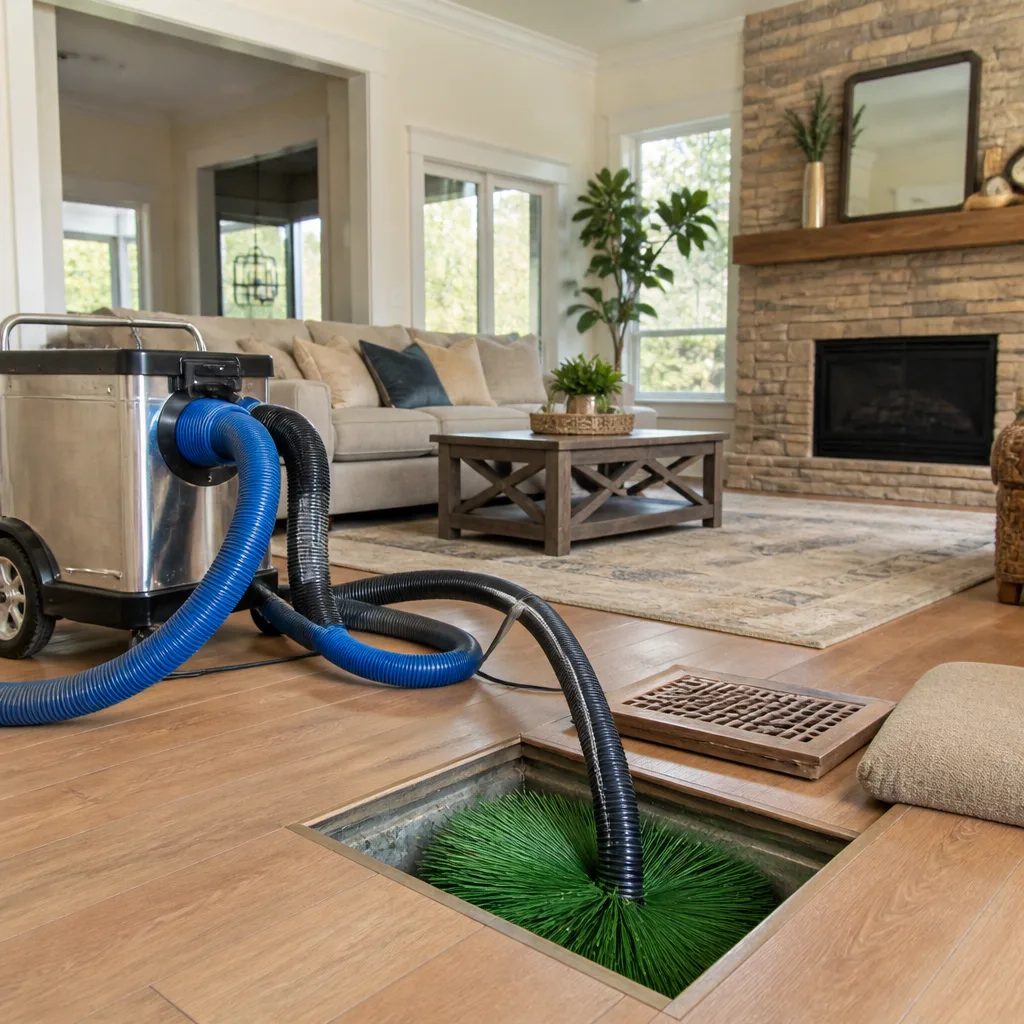 Whole-home duct cleaning
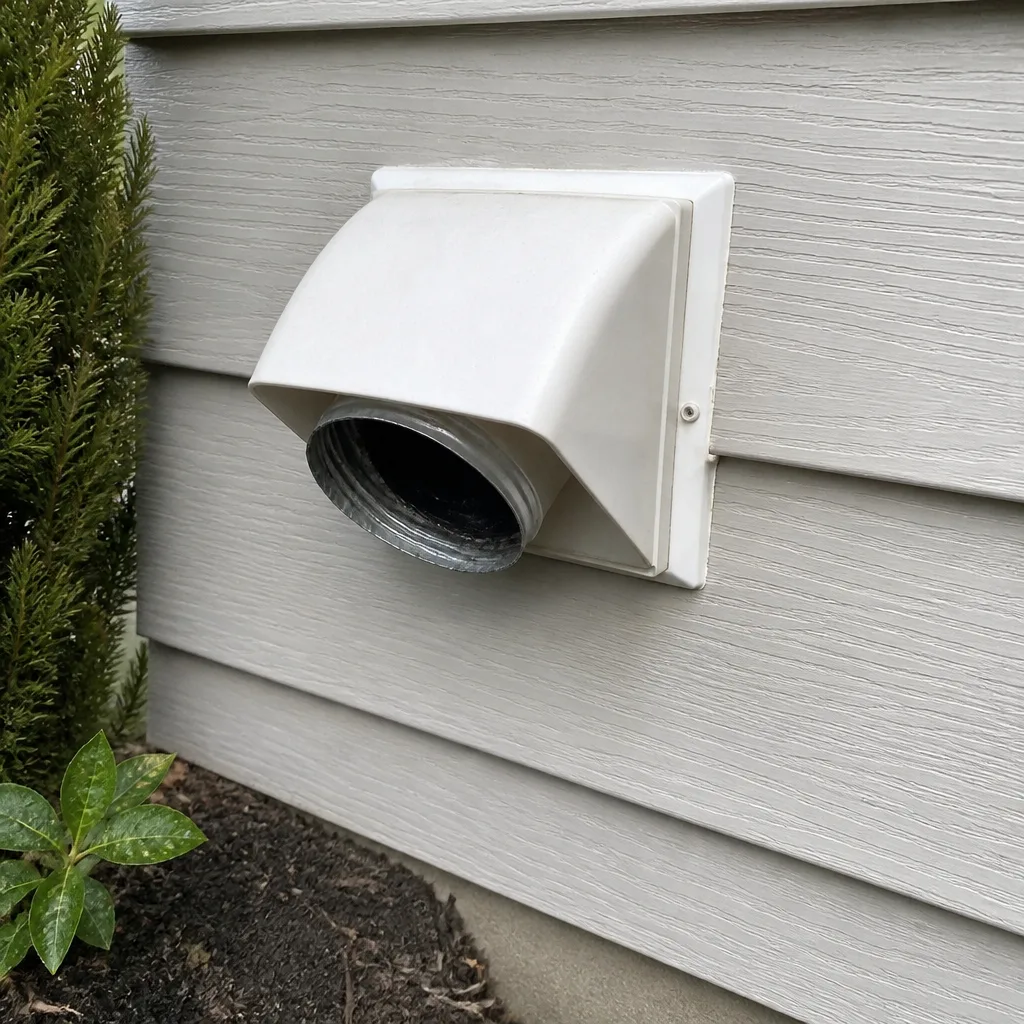 Dryer vent cleaning
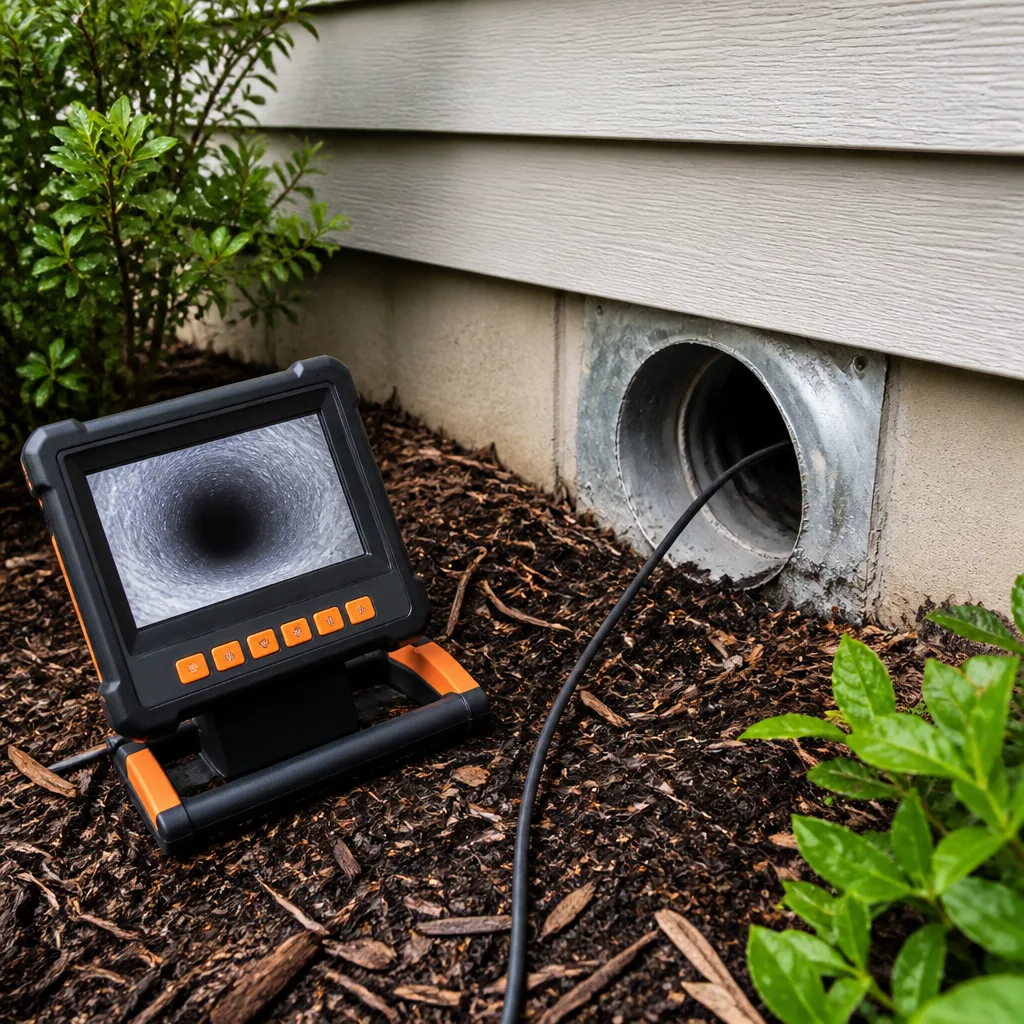 Camera inspection
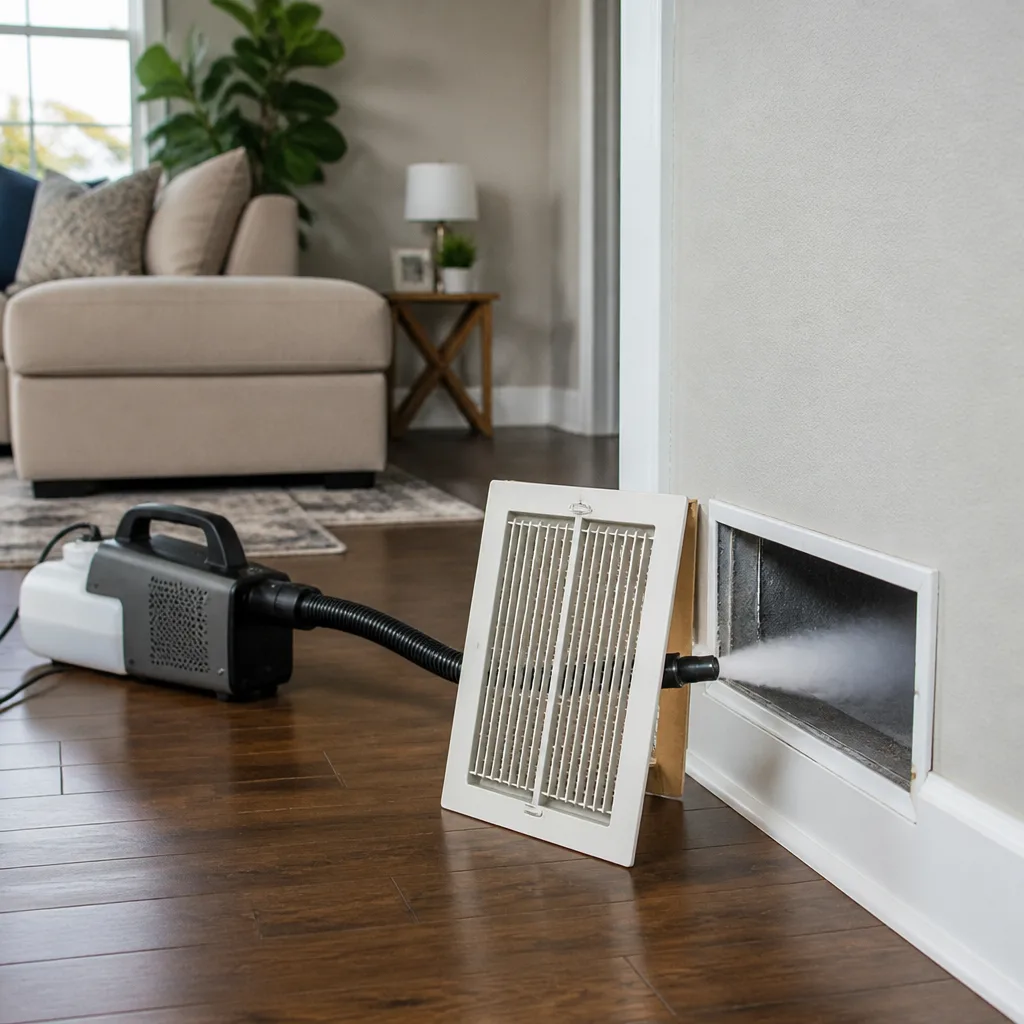 Sanitizing & deodorizing
Whole-system duct and dryer vent check with before-and-after photos - you see exactly what came out of your vents
That "$99 whole-house special" is a bait ad - the real number appears once they are in your hallway, or the "clean" is a shop-vac at the register. We photograph the inside of your ducts before and after instead.
The Complete Guide to Air Duct Cleaning in Torresdale
Most people picture duct cleaning as a big vacuum hooked to a register, pulling dust out of the pipes. That picture is missing the part that actually matters. A vacuum on a hose can stir up more debris than it removes if the duct system isn’t under negative pressure first. That’s the method most Torresdale homeowners never know to ask about, and it’s why two crews can show up with machines that look similar and leave behind very different results. This guide treats your ductwork as one part of a pressurized network that includes the furnace, the evaporator coil, the registers, and the return air pathway. We’ll explain what a real source-removal job involves, how Philadelphia-area humidity changes how debris builds up here, what a proper diagnostic looks like before any cleaning starts, and what legitimate post-cleaning documentation should contain.
Quick Answer
Air duct cleaning in Torresdale should remove debris at the source using negative-pressure containment and rotary agitation, not just vacuum at the registers. A complete job addresses the full system – ducts, furnace, evaporator coil, registers, and return path – because cleaning the ducts alone often fails within a season if the coil stays fouled. Legitimate work finishes with airflow readings and inspection photos you can review yourself.
Styles & brands we work with
- Whole-home duct cleaning
- Dryer vent cleaning
- Camera inspection
- Sanitizing & deodorizing
Table of Contents
- Why Ductwork Is a System, Not a Set of Pipes
- How Torresdale’s Humidity Shapes Debris Buildup
- Source Removal vs. Basic Vacuuming
- Why the Evaporator Coil Decides Whether Cleaning Holds
- What a Full-System Diagnostic Looks Like
- The Equipment Behind a Professional Job
- What Post-Cleaning Documentation Should Include
- How Often Torresdale Homes Really Need Cleaning
Why Ductwork Is a System, Not a Set of Pipes
A forced-air system is a loop under pressure. The blower pushes conditioned air through the supply ducts, out the registers, across your rooms, back through the returns, over the evaporator coil, and into the furnace to start again. Every part affects every other part. When a coil is caked with dust, airflow drops, static pressure rises, and the ducts you just cleaned get recontaminated faster because the source never went away. Cleaning only the pipes is treating a symptom.
This is the single biggest reason a duct cleaning can look thorough on the invoice and still leave a homeowner with dusty vents a few months later. The ducts were clean. The coil wasn’t. The blower wheel was still loaded with debris. The return plenum still had a layer of settled dust feeding back into the airstream every time the fan kicked on.
In our experience, the homes that hold their results are the ones where the whole loop gets attention in one visit. That means:
- Supply and return ducts cleaned at the source with negative pressure
- Registers and grilles removed and cleaned, not just wiped at the face
- Furnace cabinet and blower wheel inspected and cleaned where accessible
- Evaporator coil inspected for fouling and cleaned when the condition calls for it
- Filter fit checked for bypass around the edges
When those pieces are treated together, the system starts clean and stays cleaner longer. That’s the difference between a task and a service.
How Torresdale’s Humidity Shapes Debris Buildup
Torresdale sits in the Philadelphia climate band, which means humid summers and shoulder seasons that swing hard. That matters for ductwork more than most homeowners realize. In a dry climate, dust tends to stay loose and powdery. In a humid one, dust mixes with moisture, and the result is a stickier film that clings to duct walls, coils, and blower wheels instead of blowing through.
That film does two things. First, it captures more dust, so buildup accelerates. Second, on a wet evaporator coil it can become a biological surface – the kind of damp, dark environment where musty odors start. If you’ve noticed a smell the first time the AC kicks on in late spring, this is usually why.
The practical takeaway for Torresdale homes:
- Debris adheres rather than settles, so a light vacuum pass removes less than it would in a drier market
- Coil fouling is more likely and happens faster, which makes coil inspection non-optional
- Homes near wooded lots or with pets tend to build up the film quicker
- Homes with a finished basement and a return near the floor pull more ground-level dust into the loop
Because of that, a Torresdale home often needs a full-system cleaning slightly more often than the general “every few years” guidance you’ll read online. We’ll get to specifics in the frequency section. The point here is that local climate, not a national rule of thumb, should set your schedule.
Source Removal vs. Basic Vacuuming
Source removal means the debris is physically dislodged from the duct surfaces and captured under negative pressure, so it leaves the system instead of going airborne in your home. Basic vacuuming means a hose is placed at a register and suction is applied without agitating the walls or containing the return. The first removes the problem. The second often redistributes it.
Here’s how a proper source-removal job typically runs, in numbered steps:
- Containment setup. The system is put under negative pressure with a HEPA-filtered vacuum connected to the main trunk, so any debris dislodged inside the ducts is drawn toward the machine, not into living space.
- Access creation. Small access points are opened in the trunk and branches as needed, then sealed afterward.
- Agitation. Rotary brush and air-whipping tools travel the length of each run, loosening the adhered film that suction alone won’t lift.
- Capture. Debris moves through the negative-pressure airstream into the collection unit and its filtration stages.
- Register and grille cleaning. Supply and return covers come off and get cleaned separately.
- Component inspection. The coil, blower, and cabinet are checked while access is open.
- Verification. Airflow and visual documentation are captured before the job closes out.
How do you verify which method a crew actually used? Ask three questions before they start: Will the system be under negative pressure for the whole job? Will you agitate the duct walls with a rotary tool, or only vacuum? Will I get before-and-after photos of my own ducts? A crew doing real source removal answers all three easily. If the answers get vague, that tells you something.
Why the Evaporator Coil Decides Whether Cleaning Holds
The evaporator coil is where the air meets cold metal. It’s also where moisture condenses in a Torresdale summer, which makes it the most likely place in the system for dust to stick and stay. If a coil is fouled, the ducts downstream of it are being fed a steady stream of debris every time the blower runs. Clean the ducts, skip the coil, and the ducts are dirty again by the end of the season.
A fouled coil also raises your energy use. Restricted airflow means the system runs longer to move the same amount of air, and in a humid climate it may struggle to dehumidify the way it should. That’s a comfort problem disguised as a duct problem.
When we inspect a coil, we’re looking at a few things:
- Visible dust matting on the coil face and between fins
- Standing moisture or a musty odor at the coil cabinet
- Airflow drop across the coil compared to the system’s rated capacity
- Whether the coil is accessible for cleaning without major disassembly
If the coil is accessible and fouled, it gets cleaned as part of the visit. If it’s badly degraded or blocked in a way cleaning can’t fix, we say so plainly. The goal is a system that stays clean, and that means being honest about the one component most likely to undo the work.
What a Full-System Diagnostic Looks Like
No two duct systems are the same, and cleaning without a look first is guesswork. A proper diagnostic happens before any equipment is switched on. Here’s what it should include:
- Airflow measurement. A static pressure reading across the system shows whether the blower is working against a restriction, and where.
- Visual camera inspection. A camera run through the trunk and branches shows the actual condition of the duct interior – debris type, film, and any damage or disconnected sections.
- Filter bypass check. The filter is checked for fit and for gaps at the edges where unfiltered air sneaks past and coats the coil.
- Coil and blower inspection. The evaporator coil and blower wheel are examined for fouling.
- Return air pathway review. Returns are checked for proximity to dust sources and for proper sealing at joints.
- Leak and seal check. Duct joints and connections are inspected for leaks that waste conditioned air and pull in unconditioned air.
That picture tells us what to clean and, just as importantly, what to fix. Leaky duct connections and gaps at the filter are the two most common reasons a cleaning doesn’t hold. Consider air duct cleaning as the cleaning half of the job and sealing as the half that keeps it clean. If the ducts leak, the money you spent cleaning them is being lost through the gaps.
The Equipment Behind a Professional Job
Equipment is where a real source-removal job separates from a leaf-blower crew with a shop-vac. The professional duct cleaning systems used by HVAC contractors – Rotobrush and Nikro among them – are built for agitation and containment, not just suction. They pair rotary brushes and air whips with HEPA filtration so debris is dislodged and captured rather than stirred.
On jobs where the contamination is heavier – smoke residue, visible biological growth, or a system that’s been running fouled for a long stretch – we bring Abatement Technologies air filtration equipment for containment-level air handling. That’s a remediation-grade tool, not a consumer-grade vacuum, and it’s the difference between cleaning and actually purifying the airstream.
We also handle the full lifecycle of the system, not just the cleaning pass. That means dryer vent cleaning to clear the lint that builds up in a separate but no less important exhaust line, and HVAC cleaning to get the furnace and air handler components clean alongside the ducts. When we recommend upgrades to filter or air quality performance, we work with Honeywell and Aprilaire products so a homeowner can add whole-home filtration or humidity control rather than simply re-clean a system that keeps fouling.
Protecting surfaces during the job is part of the process too. Flooring, trim, and nearby finishes get covered before equipment comes in.
What Post-Cleaning Documentation Should Include
A receipt tells you a payment happened. It doesn’t tell you what was done. Legitimate post-cleaning documentation for a duct cleaning should let you verify the work independently. Here’s what it should contain:
- Before-and-after photos of your own ducts and components, not stock images
- Airflow or static pressure readings taken before and after, so you can see the change
- Camera inspection photos of the trunk and at least a sample of the branches
- A written summary of what was cleaned and what was found – leaks, coil condition, filter bypass
- Recommendations for sealing, repairs, or filtration, stated plainly
Ask for the photos before the crew leaves, and look at them. A clean duct interior should look clean – no film, no settled debris at the base of the run. If the documentation is thin or the photos look generic, treat it as a sign the work wasn’t fully done. We show our customers what we find, because the equipment and the process are the proof.
How Often Torresdale Homes Really Need Cleaning
Most Torresdale homes benefit from a full-system cleaning every three to five years as a baseline, and more often when specific conditions apply. The humid climate here accelerates the film buildup, so a home that’s overdue tends to be more overdue than its owner expects.
Move up the schedule if you notice any of the following:
- Visible dust puffing from registers when the system starts
- A musty smell the first few minutes the AC runs
- Allergy or respiratory symptoms that ease when the system is off
- Pets, smokers, or recent renovation work in the home
- A coil that’s been fouled for more than one season
- A system with leaky duct joints or an unfiltered return path
Move it up further if you’ve had water intrusion or a heating system issue that produced smoke or soot. Those calls for containment-level filtration, not a basic cleaning. When in doubt, the diagnostic is the place to start – it tells you whether you actually need cleaning or whether a smaller fix solves the problem.
Common Mistakes to Avoid
- Hiring on price alone. A very low bid usually means a hose at a register and no containment. In a humid market like Torresdale, that kind of pass leaves the adhered film in place and often distributes loose debris into the living space.
- Skipping the coil. Cleaning the ducts while leaving a fouled evaporator coil untouched is the single most common reason cleaning fails within a season. The coil has to be part of the conversation.
- Ignoring duct leaks. Unsealed joints waste conditioned air and pull in unconditioned air, undoing the cleaning over time. Sealing is part of the fix, not an upsell.
- Not asking for before-and-after photos. Without documentation of your specific system, there’s no way to verify the work. Ask before the crew starts.
- Overlooking the filter fit. A filter that doesn’t seat properly lets dust bypass it and coat the coil. It’s a small detail with a big effect.
- Treating the dryer vent as a separate afterthought. Lint buildup in a dryer vent is a fire risk independent of the ducts. It deserves its own service visit.
- Believing a “seal the system and forget it” pitch. Ductwork is a mechanical system under pressure. Components wear, connections loosen, and coils foul. Regular inspection keeps the system performing.
See the difference
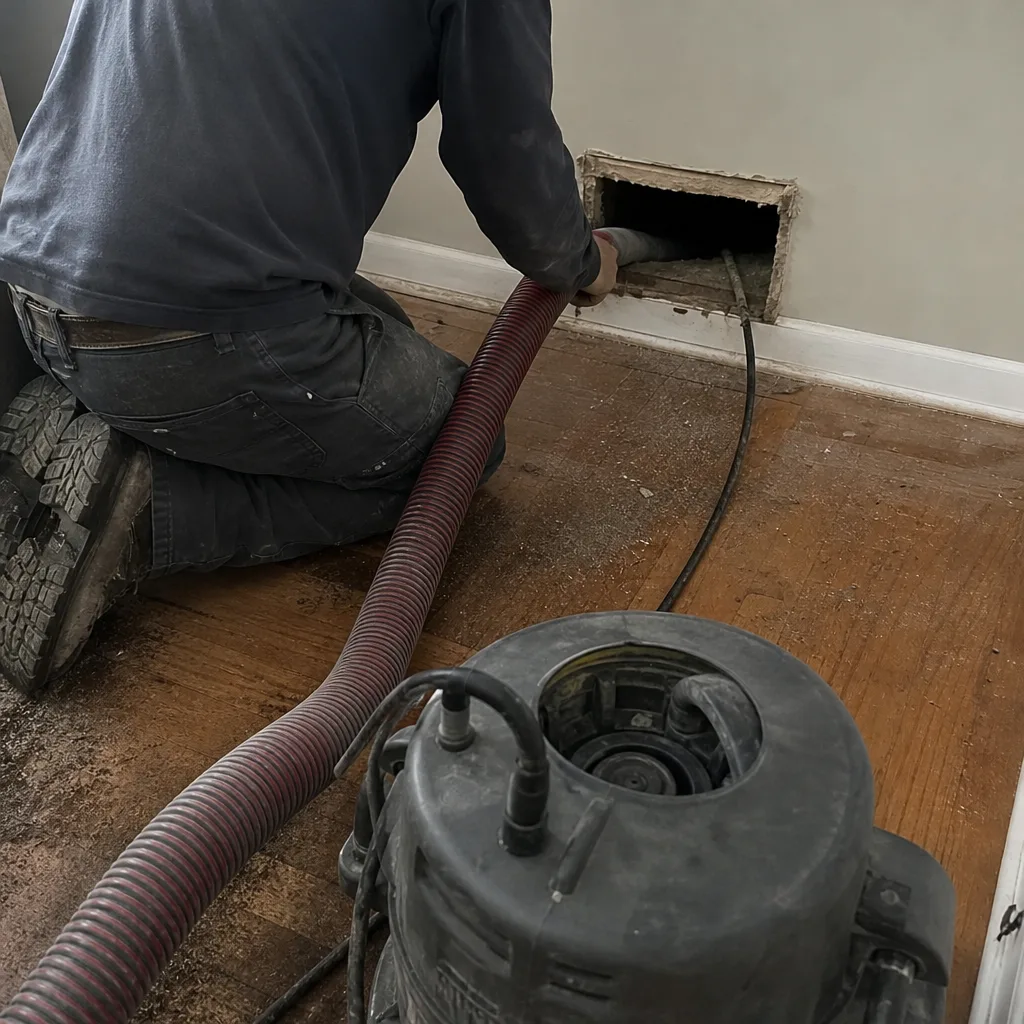 Before
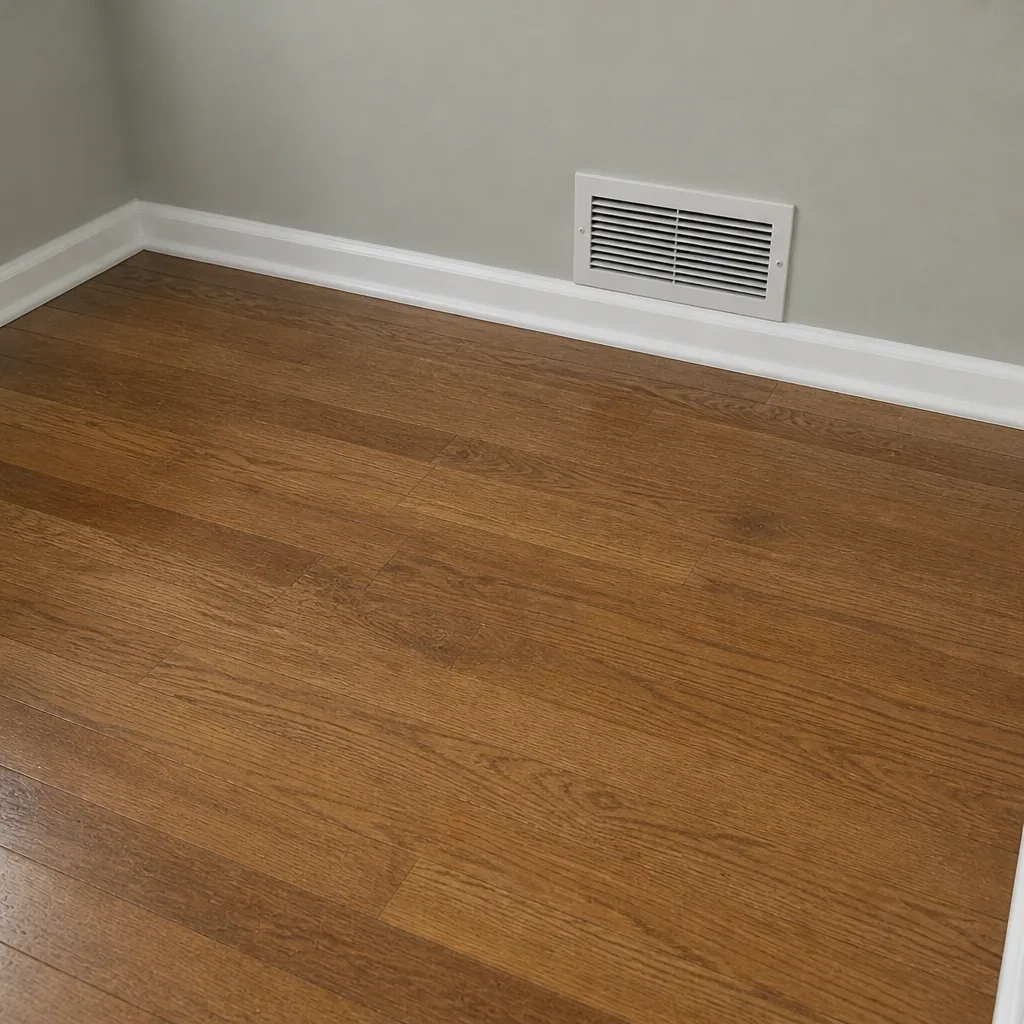 After
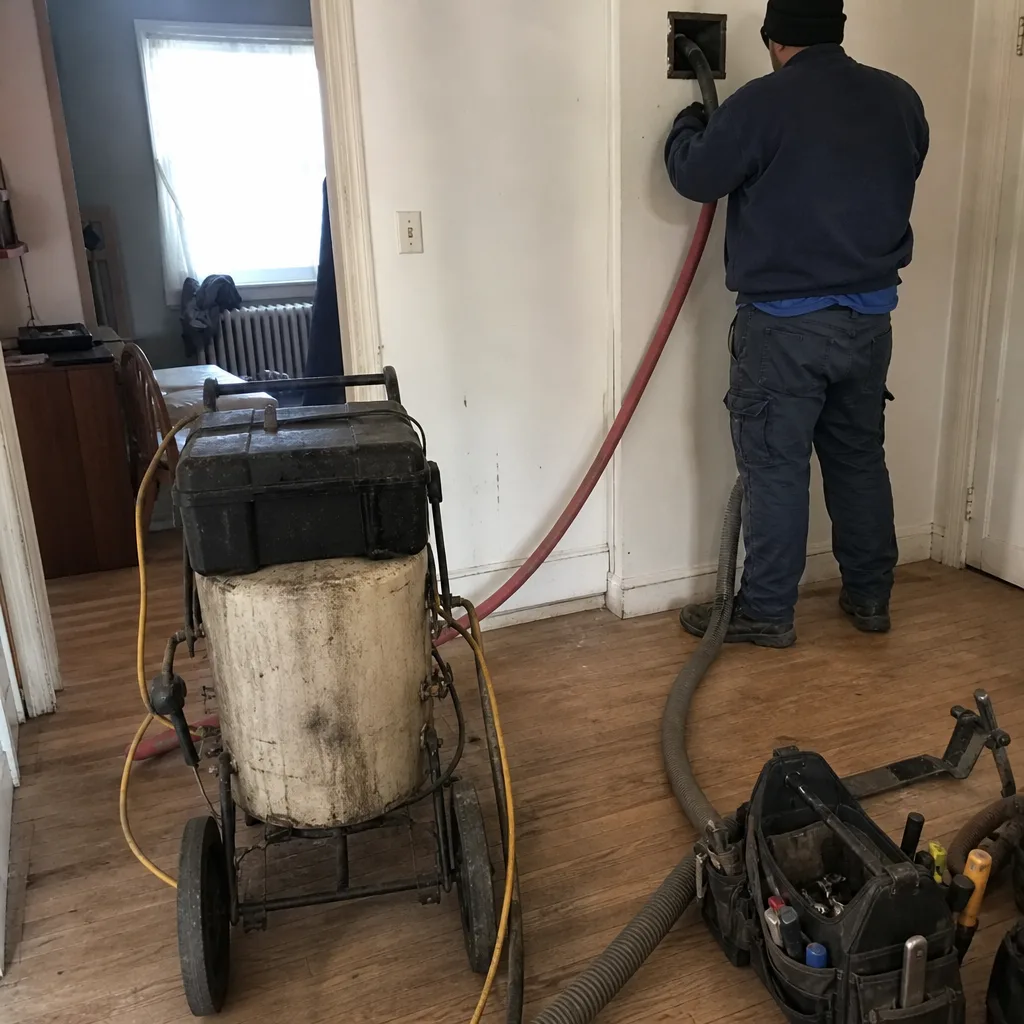 Before
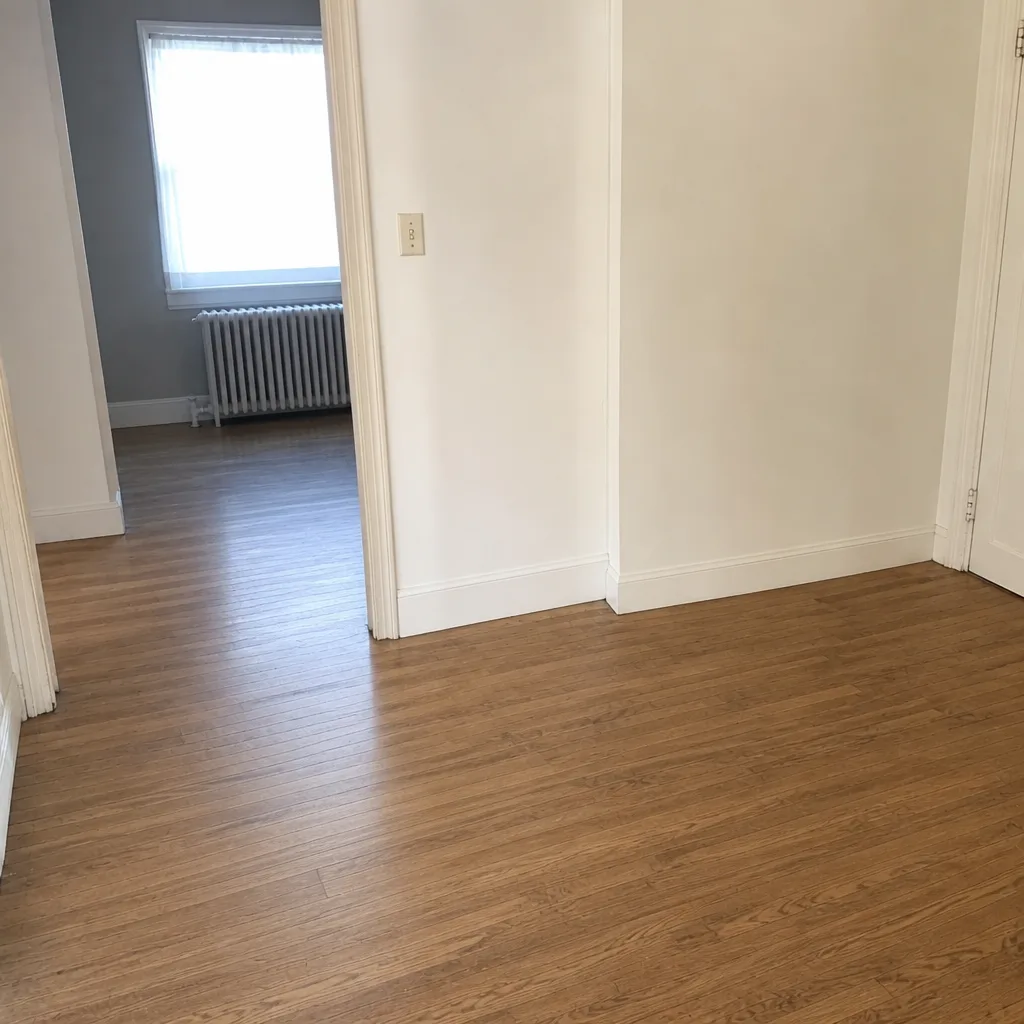 After
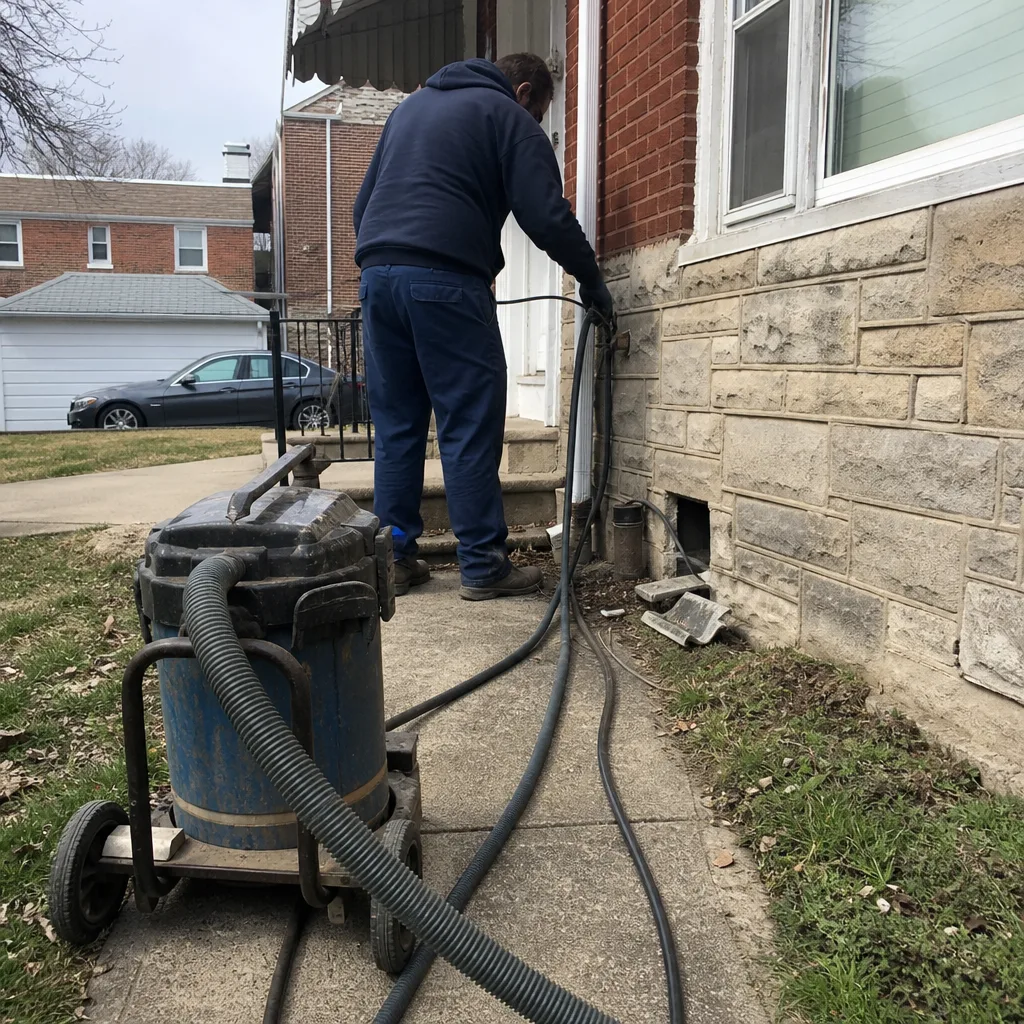 Before
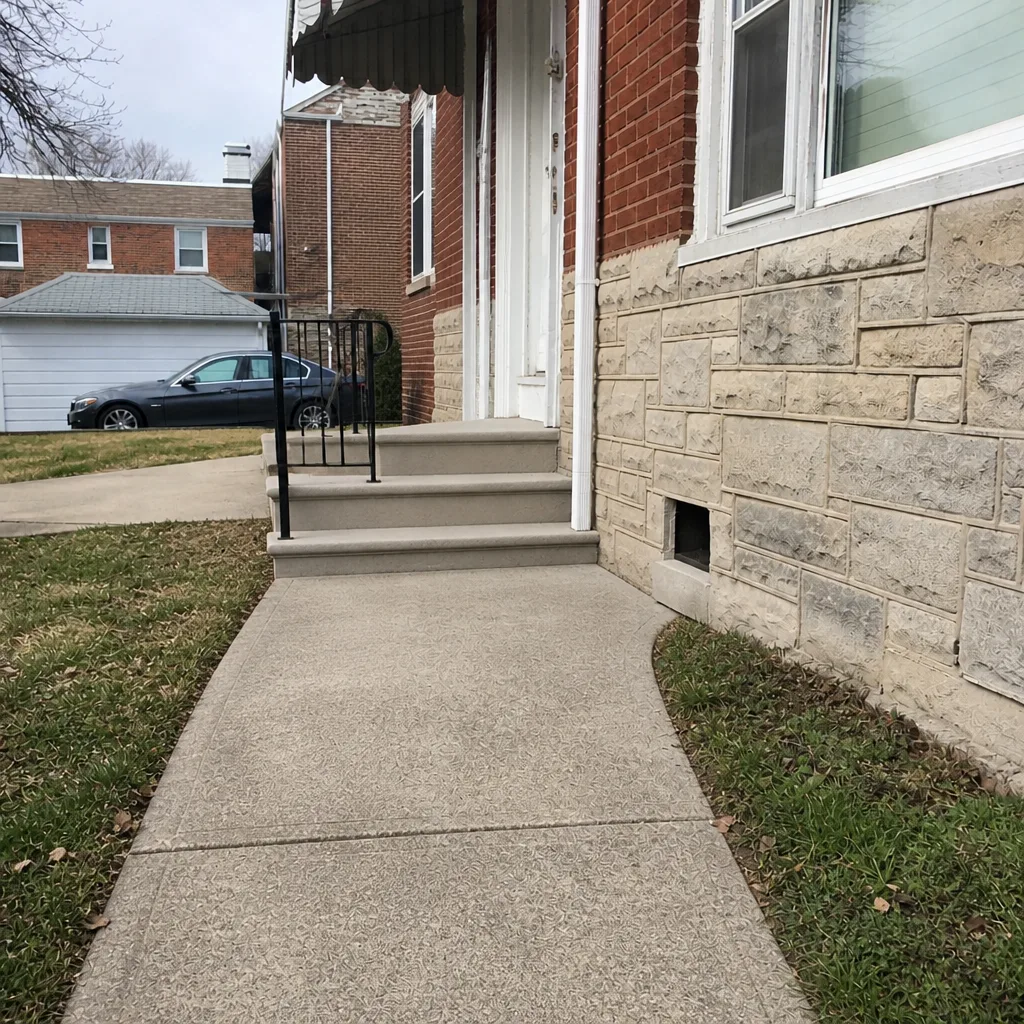 After
When to Call a Professional
Call a professional when you see dust streaming from a register, smell a musty odor when the AC starts, or notice your energy bills climbing without a clear cause. Call when a coil has been fouled for more than one season, when duct joints are visibly leaking, or when renovation, pets, or water intrusion has loaded the system with debris. And call if a previous cleaning didn’t hold – that’s usually a sign the system was never addressed as a whole. Our technicians have up to 12 years of experience, and every job uses professional-grade equipment. Air Duct Cleaning Torresdale offers free estimates in Torresdale – call (833) 482-6614 for an exact quote. We answer 24/7. Fast dispatch from 7am to 7pm, Sunday through Friday.
Frequently Asked Questions
Pricing in Torresdale is set per system, not per vent, so the written estimate you get after a diagnostic is the final number. Call (833) 482-6614 for an exact quote – estimates are free.
Cheap quotes usually skip negative-pressure containment, skip rotary agitation, and skip the coil inspection. That means less work and less time in your home. Ask any crew how they clean and whether the coil is part of the job before you compare numbers. Call (833) 482-6614 if you want a straight explanation of what’s included in ours.
You should get before-and-after photos of your own ducts, airflow readings taken before and after, and camera inspection images of the trunk. A legitimate crew provides these without being asked. Call (833) 482-6614 to schedule a diagnostic that includes full documentation.
Every three to five years is the baseline for a typical home here, and more often with pets, renovation dust, or a history of coil fouling. The local humidity accelerates buildup, so overdue systems are usually more overdue than owners expect. Call (833) 482-6614 for a recommended schedule based on your home.
Yes. Duct repair and sealing part of our service menu, and it’s the piece that determines whether a cleaning holds. Leaky joints are one of the most common reasons a cleaning doesn’t last. Call (833) 482-6614 to include a leak check in your diagnostic.
We clean the furnace cabinet, blower, and other accessible HVAC components along with the duct system, which is why Air Duct Cleaning Torresdale treats the job as whole-system work. Call (833) 482-6614 to talk through what your system needs.
The Bottom Line
Air duct cleaning isn’t a vacuum-at-the-register job in a humid climate like Torresdale’s. It’s a whole-system process that starts with a diagnostic, uses negative-pressure containment and rotary agitation to remove debris at the source, and finishes with airflow readings and photos you can verify. The coil matters as much as the ducts. The leaks matter as much as the cleaning. And the documentation is not optional. If you want a cleaning that holds, start with a free estimate from Air Duct Cleaning Torresdale at (833) 482-6614. We answer 24/7. Fast dispatch from 7am to 7pm, Sunday through Friday.
Written by the team at Air Duct Cleaning Torresdale.