
Last updated November 25, 2026
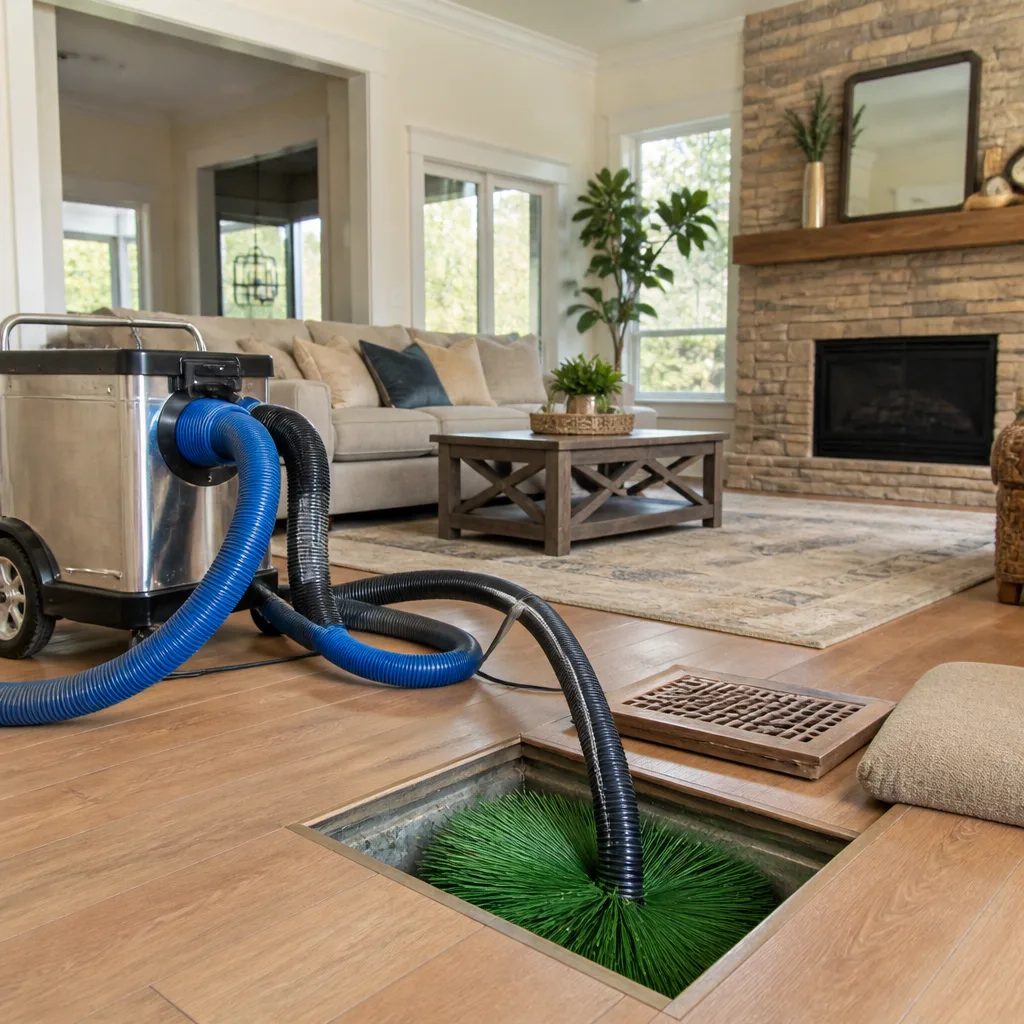 Whole-home duct cleaning
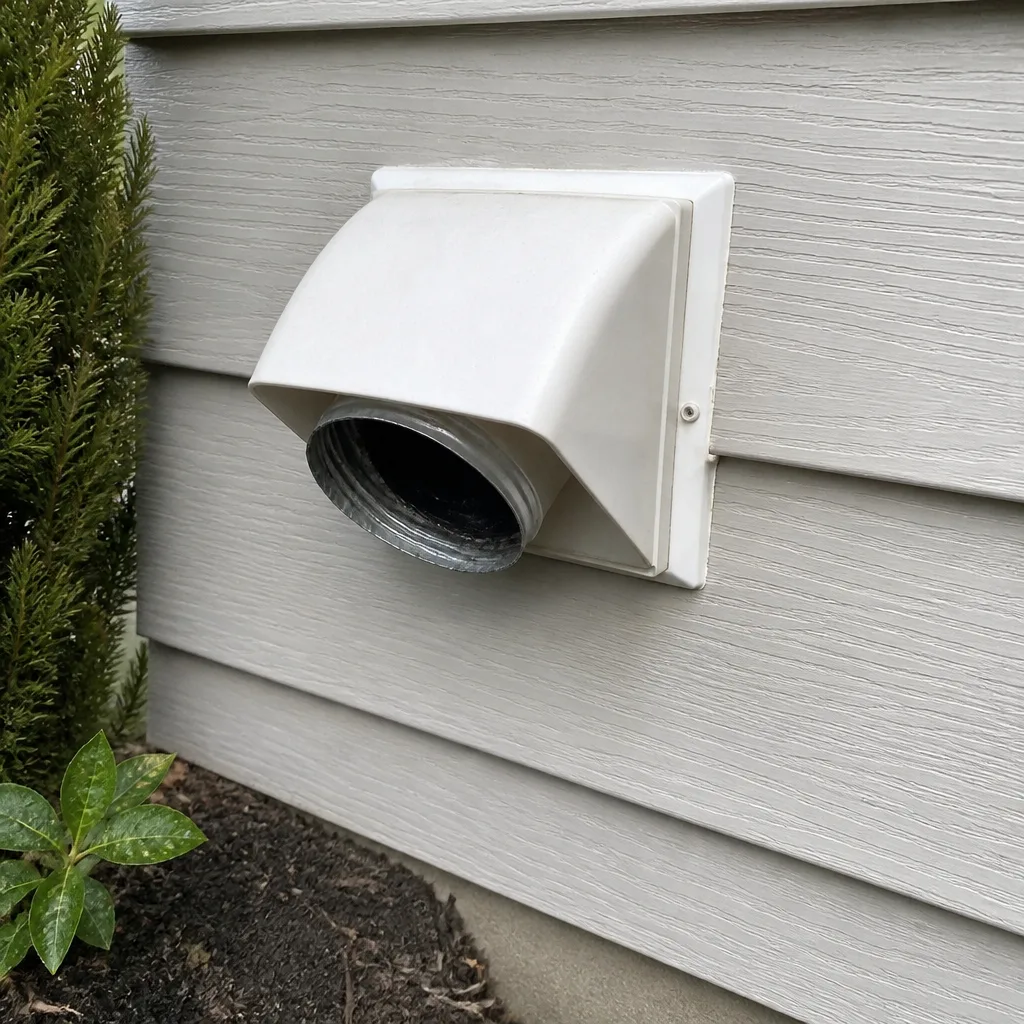 Dryer vent cleaning
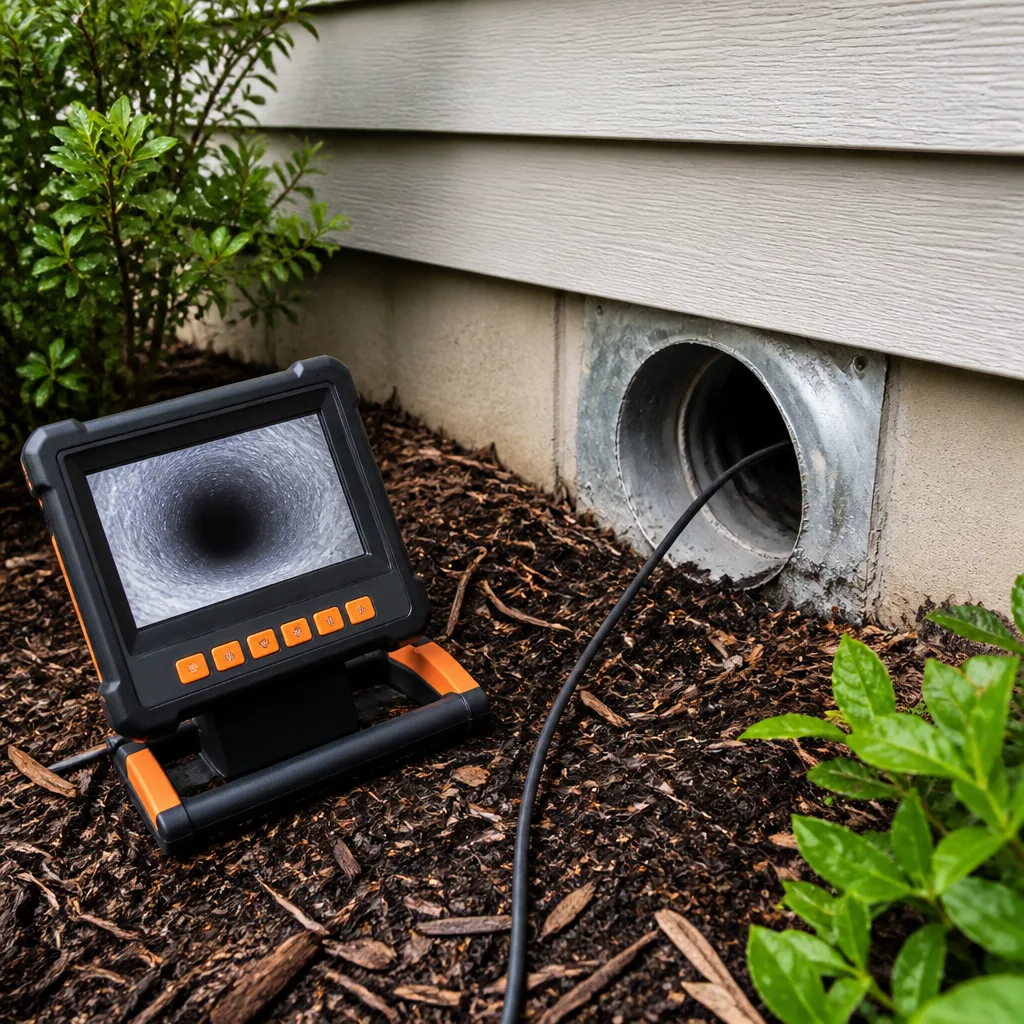 Camera inspection
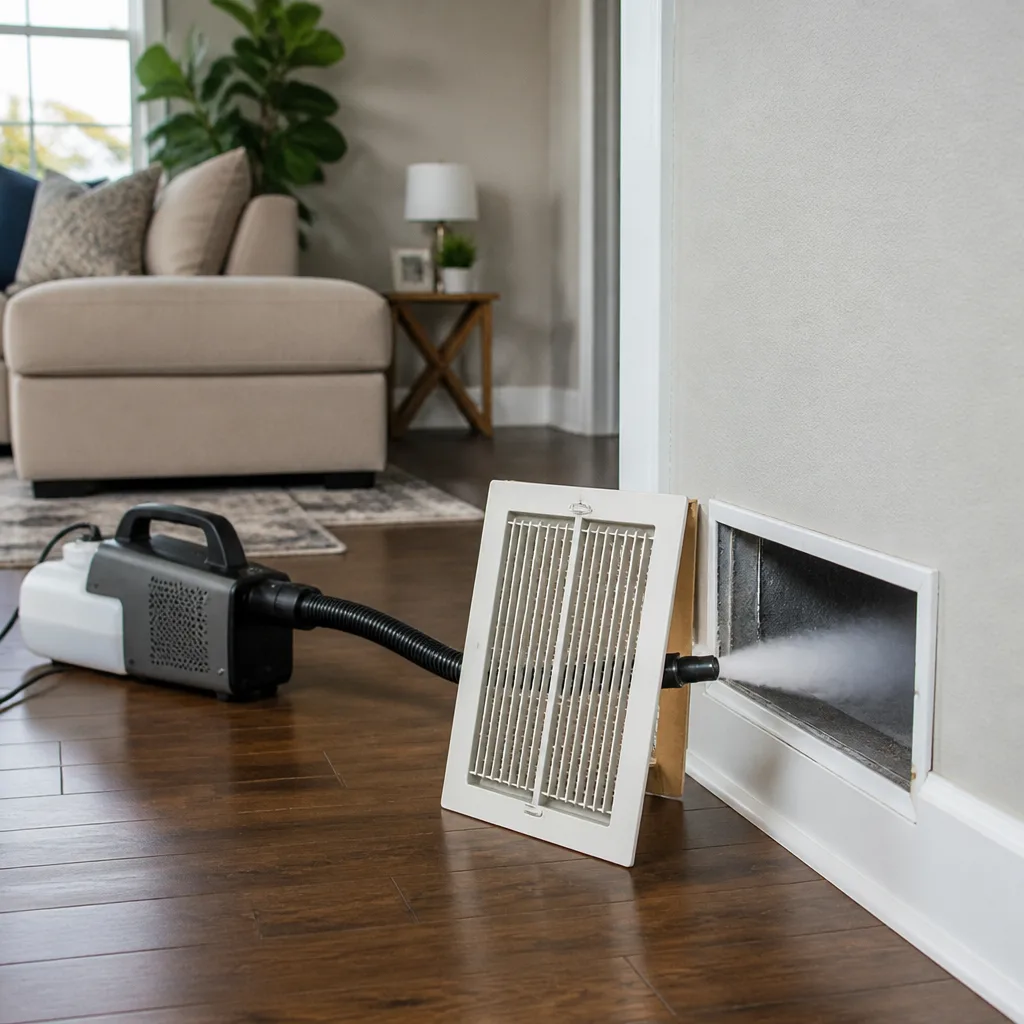 Sanitizing & deodorizing
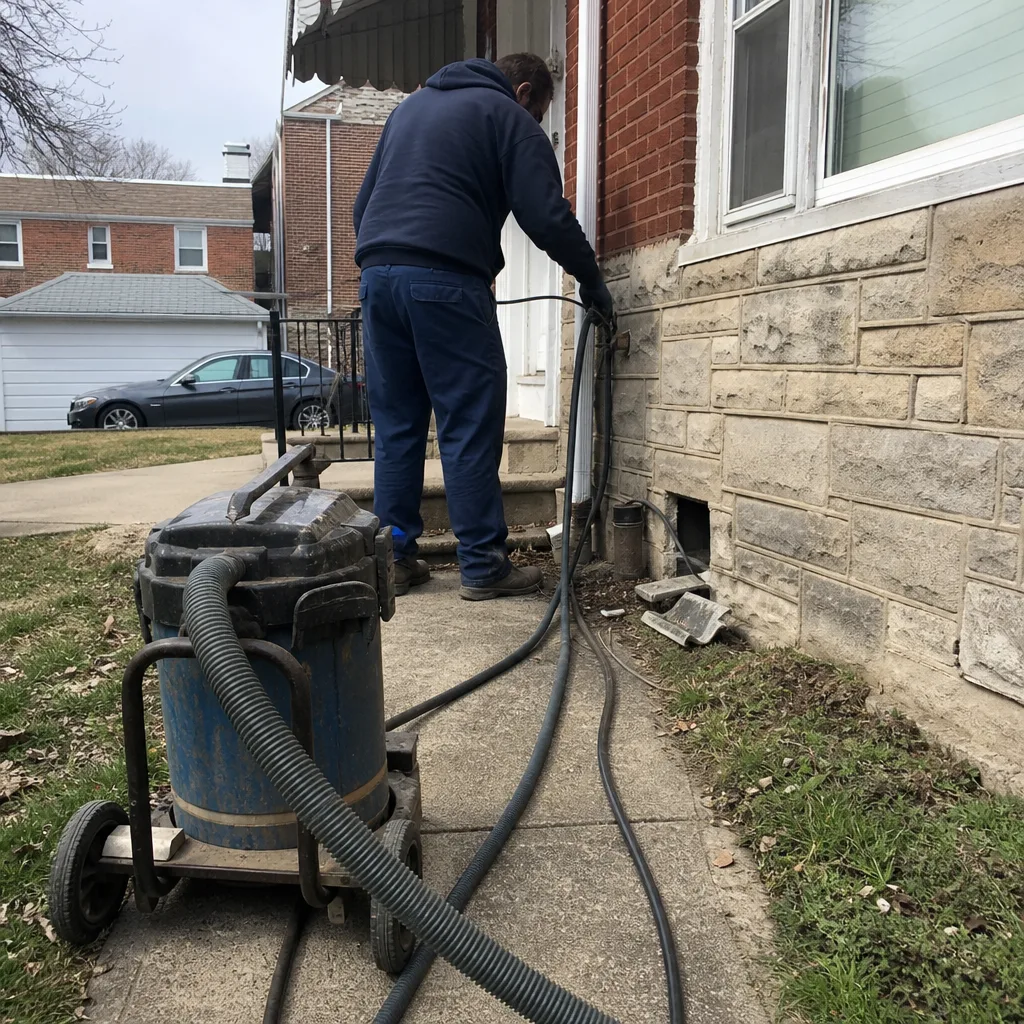
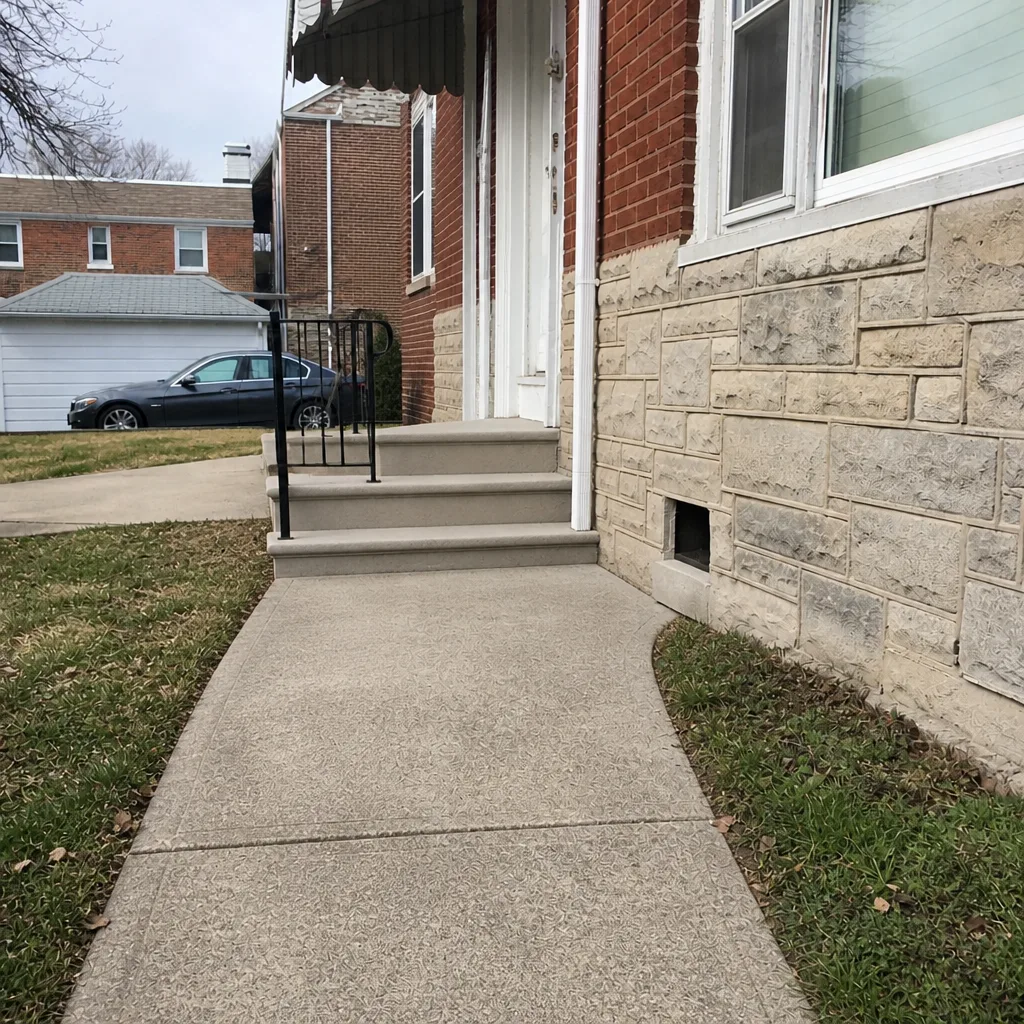
Whole-system duct and dryer vent check with before-and-after photos - you see exactly what came out of your vents
That "$99 whole-house special" is a bait ad - the real number appears once they are in your hallway, or the "clean" is a shop-vac at the register. We photograph the inside of your ducts before and after instead.
Air Duct Cleaning Permits, Codes & Inspections in Torresdale, PA: What You Need to Know
Here’s the part most homeowners don’t hear until it’s too late: the cleaning itself doesn’t need a permit, but the repair work that often follows it might. If a technician cuts a new opening into a trunk line, installs an access panel, or reseals a disconnected run, you may have crossed from maintenance into permitted mechanical work without anyone saying so. In Torresdale, where the housing stock ranges from mid-century brick rowhouses to newer construction near the river wards, that line matters at resale, at inspection, and when an HVAC warranty claim gets denied. This guide walks through exactly where the line falls under Pennsylvania’s Uniform Construction Code, what duct sealing and repair involve, and what to ask before anyone starts cutting.
Quick Answer
Routine air duct cleaning in Torresdale does not require a permit under Pennsylvania’s Uniform Construction Code. However, duct repair, sealing, access panel installation, or any modification to the mechanical system can require a permit through the City of Philadelphia’s Department of Licenses and Inspections (L&I), and that work should be inspected and documented. Knowing which category your job falls into is the difference between routine maintenance and unpermitted mechanical work.
Styles & brands we work with
- Whole-home duct cleaning
- Dryer vent cleaning
- Camera inspection
- Sanitizing & deodorizing
Table of Contents
- Cleaning vs. Mechanical Work: Where the Line Falls
- What Pennsylvania’s UCC Says About Duct Work
- Duct Sealing and Repair: What Requires a Permit
- How Unpermitted Work Shows Up at Inspection
- What to Ask a Contractor Before Work Starts
- Documentation, Warranties, and Insurance Claims
- Torresdale Housing Stock and Duct Realities
Cleaning vs. Mechanical Work: Where the Line Falls
Cleaning is maintenance. It removes accumulated dust, debris, and biological growth from inside a duct system that’s already installed and functioning. No cutting, no modification, no new components. Under Pennsylvania’s Uniform Construction Code, maintenance activity of this kind falls outside the permit process.
Mechanical work is different. It involves altering the system itself: cutting into ductwork, adding or removing components, changing airflow paths, or installing equipment. That’s when the UCC applies, and that’s when a permit from the local code authority may be required.
Here’s the practical breakdown of what typically falls on each side:
- No permit typically required: Source removal cleaning of ducts, registers, and plenums; sanitizing with approved products; dryer vent cleaning; air handler coil cleaning (non-invasive); filter replacement.
- Permit may be required: Cutting a new access panel into a trunk line; installing a new register or return; replacing a section of flex duct; sealing with mastic at disconnected joints; installing a duct-mounted air purifier or humidifier tied into the system; rerouting any duct run.
- Permit almost always required: Any work that alters the mechanical system’s design, capacity, or layout; new ductwork installation; modifications affecting combustion air or venting.
The line matters because the two categories involve different accountability. Cleaning is a service you can schedule. Mechanical alterations are regulated construction work. In Torresdale, where many homes have duct systems that have been modified over decades, the two get tangled easily.
What Pennsylvania’s UCC Says About Duct Work
Pennsylvania’s Uniform Construction Code adopts the International Residential Code (IRC) and the International Mechanical Code (IMC) as the model standards for residential construction in the state. The UCC is administered locally, which in Torresdale means through the City of Philadelphia’s Department of Licenses and Inspections.
The IRC and IMC both cover ductwork: sizing, material standards, sealing requirements, support spacing, and installation methods. When a contractor modifies ductwork in a way that touches any of those provisions, the work falls under code review. A permit is the mechanism by which that review happens.
Two things matter for a Torresdale homeowner:
- Local administration: In Philadelphia, L&I is the authority having jurisdiction. Permit requirements, inspection scheduling, and code interpretations run through them, not through a state office. What counts as permit-required work gets applied locally.
- Scope of the permit: A mechanical permit isn’t just paperwork. It triggers an inspection at the completion of work, which is the check that the modification was done correctly. Work done without a permit skips that inspection.
We’ve seen duct systems in Torresdale where prior modifications were made without permits. Access panels cut with no documentation. Flex duct connected with tape instead of mastic. Rerouted runs supported by nothing but gravity and a zip tie. These don’t always cause problems immediately. They show up later, often at the worst possible moment: a home inspection, an insurance claim, or a warranty dispute.
Duct Sealing and Repair: What Requires a Permit
Duct sealing is a service that sits right at the boundary. Sealing an existing joint with mastic that’s already in place and accessible is one thing. Cutting into the system to install a new seal or repair a disconnected run is another.
Here’s how to think about it:
- Maintenance-level sealing: Applying mastic or tape to an accessible joint that isn’t functioning, without cutting or altering ductwork. Usually no permit.
- Repair-level sealing: Reconnecting a disconnected duct run, replacing a damaged section, or sealing a leak that requires cutting into the trunk line. Permit may be required depending on scope.
- Modification-level sealing: Installing new access panels, adding duct runs, or altering the system’s static pressure profile. Permit required.
The key word in each case is “cutting.” If the work involves opening the duct system in a way that changes its physical configuration, you’re likely in permitted territory. If the work is cleaning or surface-level maintenance, you’re not.
Because Torresdale homes range from post-war construction to newer builds, the duct systems vary. Older homes may have original sheet metal ducts that have been resealed and patched repeatedly. Newer homes may have flex duct runs that need proper sealing at joints. In both cases, the sealing work itself is straightforward – the question is whether the work crosses into mechanical alteration. That’s the question to ask before anyone picks up a tool.
How Unpermitted Work Shows Up at Inspection
Home inspectors are trained to spot the signs. When a duct system has been modified, the clues are usually visible: new access panels with no label or documentation; flex duct connected at angles that don’t match the original layout; mastic applied over old surfaces without proper prep; and connections that fail a basic visual check.
The bigger problem is what happens during negotiation. When an inspector flags unpermitted duct modifications, sellers are often asked to obtain retroactive permits or provide documentation of the work. That process can delay a closing, and it can cost far more than the original work would have. It also puts the buyer in a position of asking: if this was done without a permit, what else was done wrong?
During a home inspection in Torresdale, here’s what tends to get flagged:
- Unlabeled access panels: A panel cut into a trunk line without documentation of who installed it and when.
- Flex duct connected with tape: A code violation in most jurisdictions, and a sign that work was done without inspection.
- Disconnected supply runs: A duct that terminates inside a wall or attic without a register, which suggests a reroute that was never completed.
- No mastic at joints: A sign of improper sealing, which affects both efficiency and code compliance.
- Oversized or undersized returns: Indicates a system modification that may have been done without engineering or permit review.
The best defense is documentation. A permit and an inspection sign-off create a paper trail. That trail travels with the house.
What to Ask a Contractor Before Work Starts
If the scope of work goes beyond cleaning, ask these questions before any tools come out. A contractor who can answer them clearly is likely equipped to handle the permitted work. A contractor who can’t is a risk.
- Does this job require a permit from Philadelphia L&I? If the answer is “we don’t need permits for anything,” that’s a sign they don’t work in the permitted space. That doesn’t mean they can’t clean ducts. It means they can’t be trusted with mechanical alterations.
- What specific work is included in the scope? Cleaning only? Cutting access panels? Sealing joints? Replacing a run? The answer should be exact, in writing.
- Will the work be inspected? If a permit is pulled, an inspection is part of the process. If no permit is pulled, ask why.
- What documentation will I receive? Look for scope of work, equipment used, before-and-after photos, and completion notes. For mechanical work, a copy of the permit and inspection sign-off.
- Are you equipped for repair and sealing, or cleaning only? These are different skill sets. A crew that cleans ducts may not be equipped for code-compliant repair work.
- How will my HVAC warranty be affected? Manufacturer warranties sometimes require documentation of maintenance and repair. Ask how the contractor handles warranty-relevant records.
In Torresdale, the answer to the first question varies by scope. Cleaning: typically no permit. Sealing or repair: it depends on how the work is done. A crew that understands the difference will tell you upfront.
Documentation, Warranties, and Insurance Claims
Documentation is the quiet thread that ties everything together. When an HVAC system is under warranty, manufacturers often require records of maintenance and repair work. When a homeowner files an insurance claim for water damage related to ductwork, or for air quality remediation after a mold event, documentation determines whether the claim gets paid.
Code-compliant documentation serves three purposes:
- Warranty claims: Manufacturers and extended warranty providers ask for proof of proper maintenance and repair. A documented permit and inspection is stronger proof than a receipt.
- Insurance disputes: If a claim involves a duct-related failure, the insurance adjuster will want to know whether the work was done to code. Unpermitted work complicates the claim.
- Resale: A buyer’s inspector will look for signs of modification. Documented work answers the question before it’s asked.
We document every job with before-and-after photos and a written scope of work. When a job involves repair or sealing, we recommend the homeowner retain the records alongside their home maintenance file. When a job is cleaning-only, the documentation is still worth keeping, because it establishes a baseline for future maintenance.
Documentation also helps when a homeowner needs to ask a contractor to come back. A written record of what was done, with which equipment, and to which part of the system, makes follow-up visits faster and more accurate.
Torresdale Housing Stock and Duct Realities
Torresdale sits in the far northeast of Philadelphia, and its housing stock reflects that position: a mix of mid-century rowhouses, single-family homes built through the 1950s and 1960s, and newer construction on the edges. That mix produces a specific set of duct realities.
Older Torresdale homes often have original sheet metal ductwork that’s been modified, sealed, and partially replaced over the years. Access panels get cut in during HVAC upgrades and never documented. Some systems have flex duct runs added for a room addition. Some have returns that were resized during a renovation without engineering review.
The seasonal swings matter too. Torresdale gets hot, humid summers and cold winters, and a duct system that’s leaking air is losing conditioned air at exactly the moment you’re paying the most to produce it. Sealing leaks isn’t just a code question. It’s a comfort and efficiency question.
Smaller duct systems in rowhouses and older single-family homes often need careful static pressure management. When a contractor adds a run or closes a register without review, system balance changes. Cleaning alone won’t fix that. It’s a mechanical issue, and it’s the kind of thing that a proper scope of work and, when required, a permit will catch.
When your ducts are dusty, musty, or moving air poorly, the first step is a proper assessment of the system: cleaning, HVAC cleaning, and inspection of the duct runs. When the assessment turns up disconnected runs, leaking joints, or damaged sections, that’s when the work shifts from cleaning to repair and sealing. Understanding which category you’re in is the whole point of this guide.
Common Mistakes to Avoid
- Assuming all duct work is permit-free. Cleaning typically is. Repair, sealing, and modification often aren’t. Ask the contractor to specify which category the work falls into before anything starts.
- Hiring a cleaning-only crew to do repair work. A crew that’s equipped for cleaning may not be equipped for code-compliant repair, and that gap shows up at inspection. Ask what the crew is actually qualified to do.
- Skipping documentation for repair work. If a repair is done without a permit, and a warranty claim or insurance dispute later asks for records, the homeowner is left with nothing. Document repair work the same way you’d document any permitted construction.
- Letting a technician cut a new access panel with no discussion. An access panel cut into a trunk line is a mechanical alteration. It should be discussed, scoped, and documented before the cut is made, not after.
- Ignoring a disconnected duct run because the cleaning crew “handled it.” Cleaning removes debris. Sealing a disconnected run is a repair. They’re different jobs, and the second one may need a permit.
- Assuming a low hourly or flat rate covers the whole job. The written estimate should specify exactly what’s included. If the scope is vague, that’s a sign you’ll get a surprise later.
- Not asking whether the work will affect the HVAC warranty. Some manufacturers require that any mechanical work be performed by a licensed contractor. Ask before the job starts.
We see these mistakes most often in older Torresdale homes where multiple contractors have worked on the system over the years. Each contractor did the job they were hired for, but nobody documented what was done or how it affected the system as a whole. When the system gets inspected or the homeowner wants to make an insurance claim, that gap becomes a problem.
See the difference
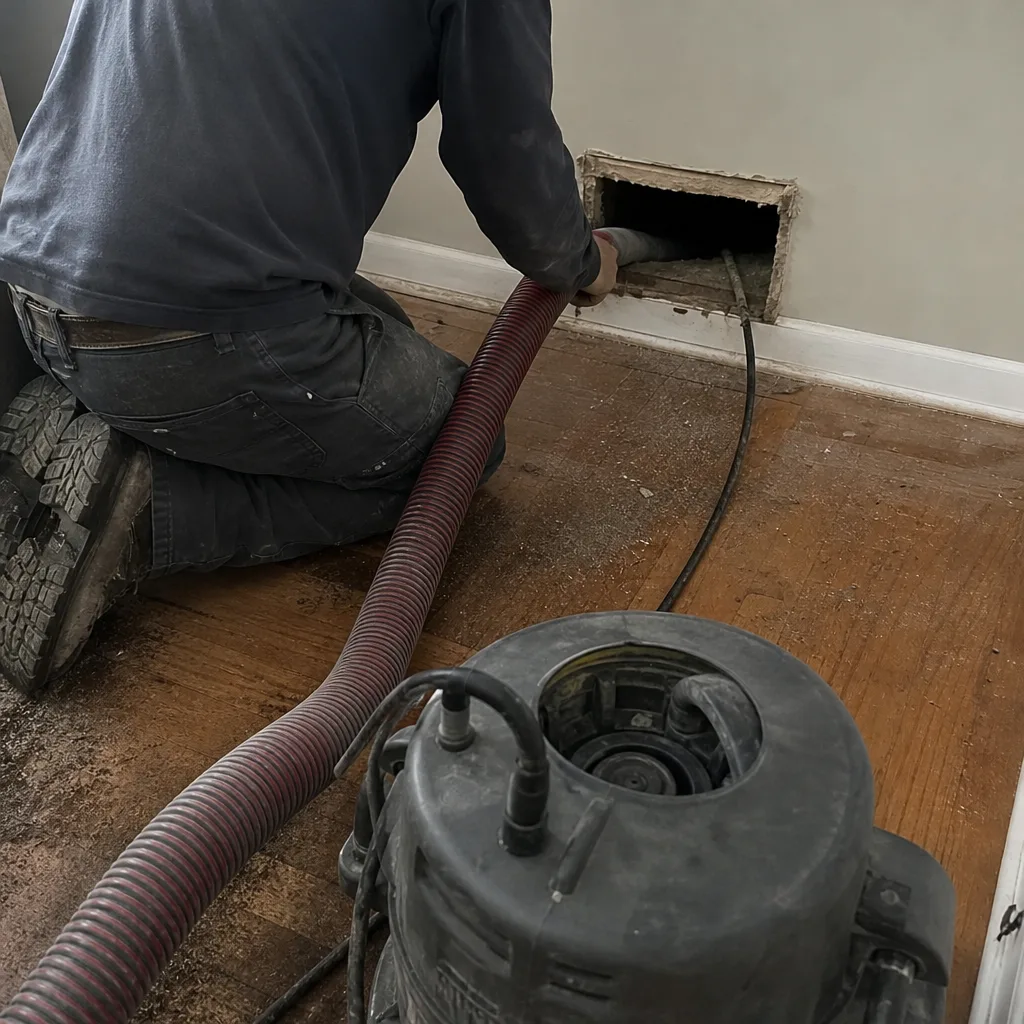 Before
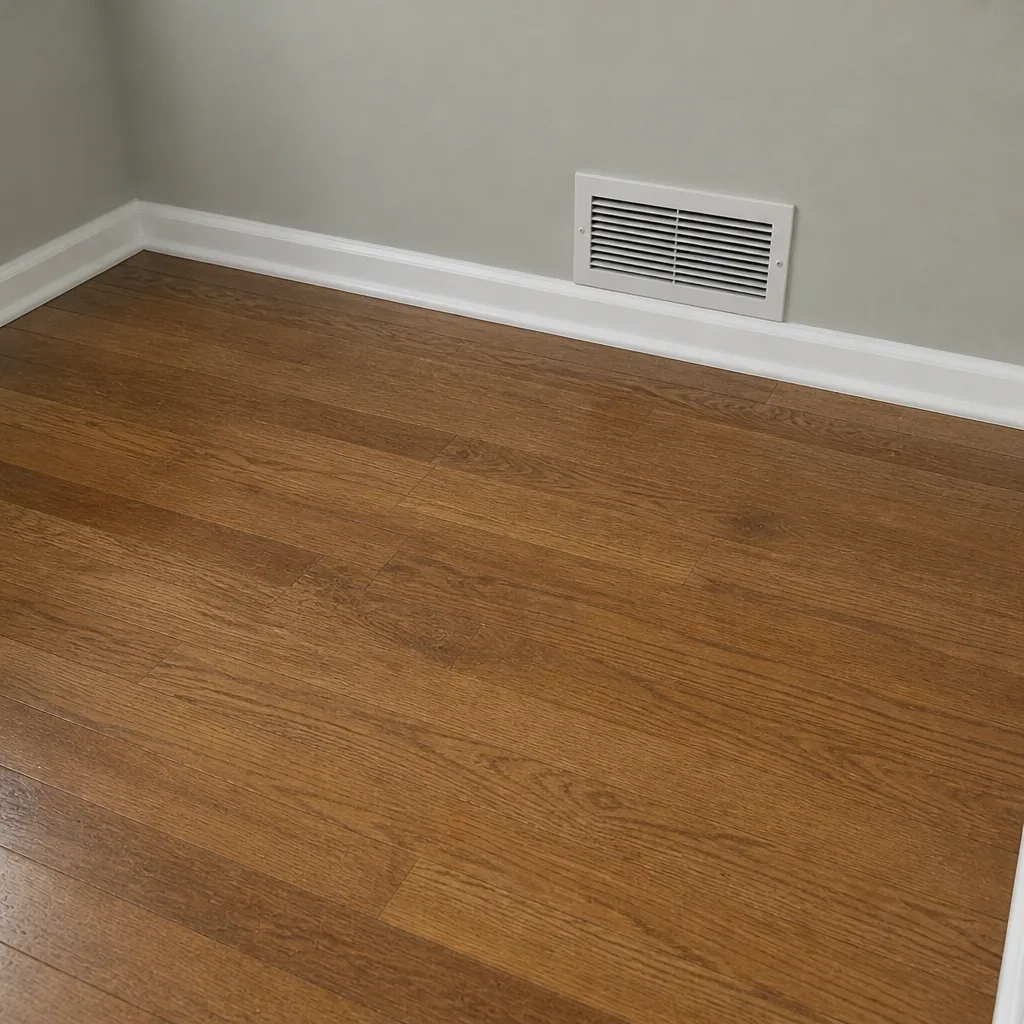 After
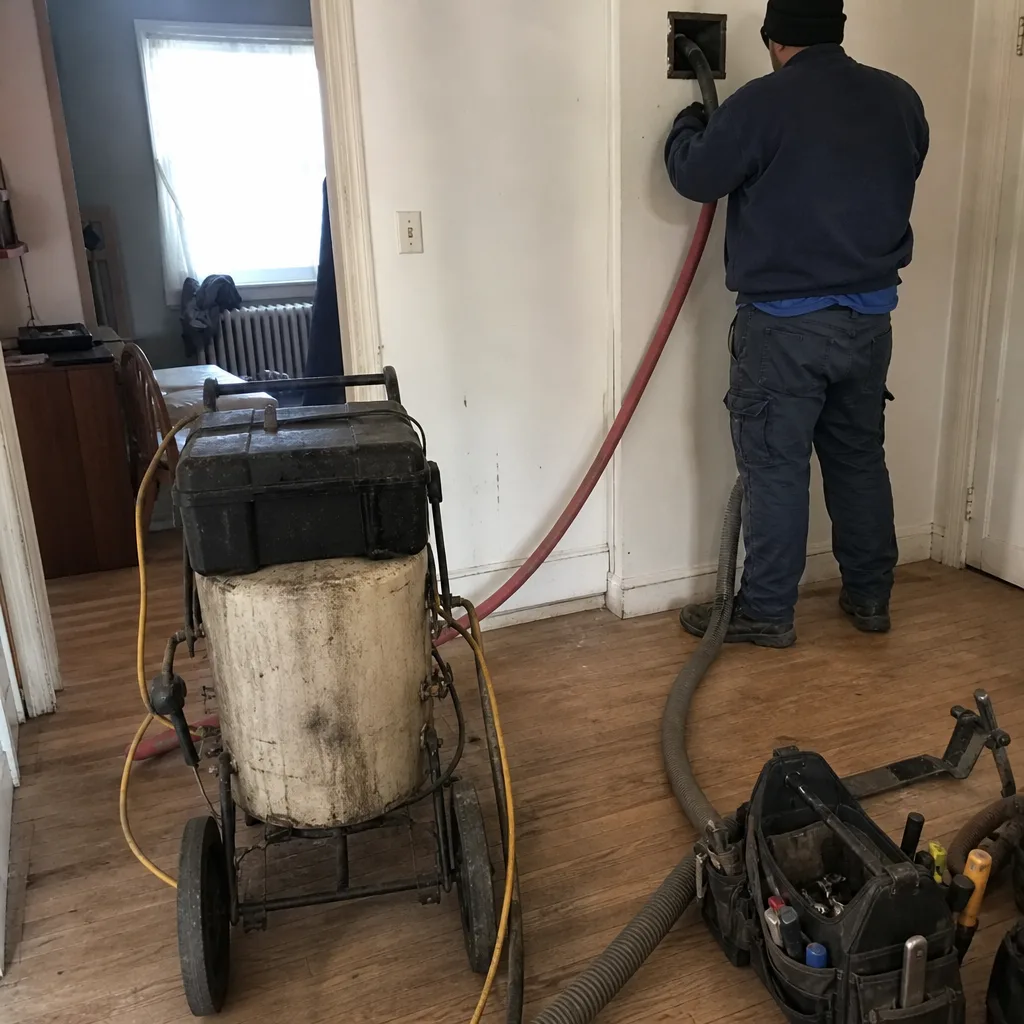 Before
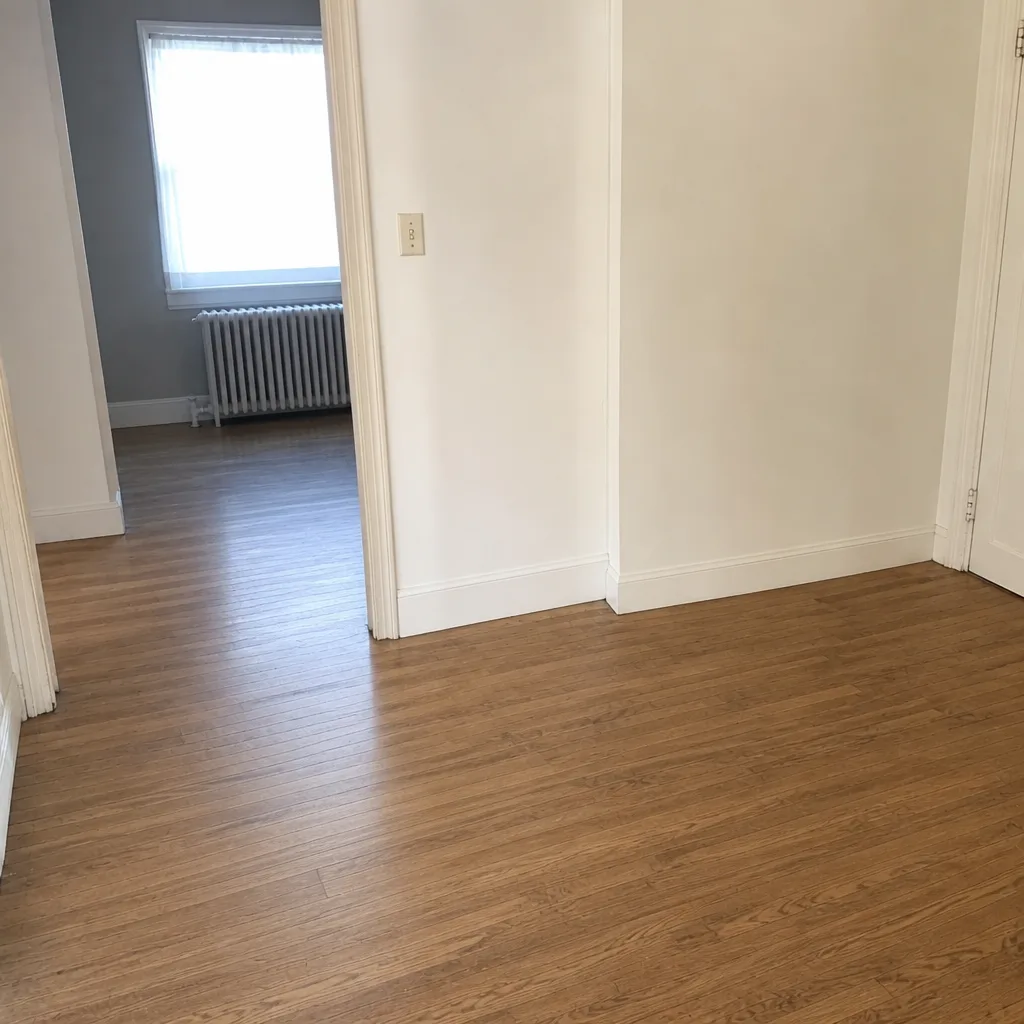 After
 Before
 After
When to Call a Professional
If your ducts are dirty and moving air poorly, a professional cleaning is the first step. We’ll assess the system, walk through the scope, and document what we find. If the assessment turns up disconnected runs, damaged sections, or leaks that require more than cleaning, the scope shifts to repair and sealing, and we’ll explain the difference before anything starts. If a permit is required, we’ll tell you. If it isn’t, we’ll tell you that too, and document the work so you have a record for warranty and insurance purposes. Our technicians have up to 12 years of experience, and we use professional-grade equipment from Rotobrush and Nikro on every job. Air Duct Cleaning Torresdale offers free estimates in Torresdale. Call (833) 482-6614. We answer 24/7. Fast dispatch from 7am to 7pm, Sunday through Friday.
Frequently Asked Questions
No. Routine cleaning, including source removal of dust and debris, does not require a permit under Pennsylvania’s Uniform Construction Code. Cleaning is classified as maintenance, not mechanical work. If a technician cuts into your ductwork or adds components, that’s different, and you should ask whether a permit is required. Call (833) 482-6614 for a free estimate if you’re unsure where your project falls.
It depends on the scope. Surface-level sealing of an accessible joint is typically maintenance. Repairing a disconnected run, replacing a duct section, or cutting a new access panel into a trunk line can require a permit from Philadelphia L&I. The answer depends on whether the work alters the mechanical system, not on the specific service name. Call (833) 482-6614 and we’ll walk through your job scope before anything starts.
Ask for the written scope of work and whether a permit will be pulled. A contractor who does permitted work knows how to answer that. A contractor who only cleans may not. If the scope involves any cutting, modification, or component installation, a permit discussion is appropriate. Call (833) 482-6614 for a free estimate and a clear scope.
Yes. Inspectors look for unlabeled access panels, flex duct connected with tape instead of mastic, disconnected runs, and other signs of modification without documentation. These can delay closings and become negotiation points. Documentation from a permitted job answers the question before it’s asked. Call (833) 482-6614 for an estimate that includes the paperwork you’ll need.
Keep the written scope of work, the equipment used, before-and-after photos, and any permit or inspection sign-off if the job required one. For cleaning-only jobs, keep the scope as a baseline for future maintenance. For repair and sealing, keep the full record: if a warranty claim or insurance dispute arises, you’ll need it. Call (833) 482-6614 for a free estimate.
We don’t quote a per-vent price or a teaser coupon figure because those are the bait-and-switch patterns this industry is known for. Instead, we give a whole-system range, and the written estimate sets the final price before any work begins. If the scope includes repair or sealing, the estimate will reflect that separately. Call (833) 482-6614 for a free estimate and a clear scope of work.
The Bottom Line
Cleaning your ducts doesn’t need a permit in Torresdale. Repairing, sealing, or modifying them might. The difference matters, and it’s the difference most homeowners are never told about. Under Pennsylvania’s UCC, administered locally by Philadelphia L&I, the work that cuts into the system is regulated, inspected, and documented; the work that cleans an already-installed system is not. Know which category your job falls into before anyone starts, ask for a written scope, and keep the paperwork. When you’re ready to schedule, call Air Duct Cleaning Torresdale at (833) 482-6614. We use professional-grade Rotobrush and Nikro equipment, document every job with before-and-after photos, and explain the difference between cleaning and repair work before anything starts. Free estimates. We answer 24/7. Fast dispatch from 7am to 7pm, Sunday through Friday. Visit our guide to air duct cleaning for the full process, and Air Duct Cleaning Torresdale for our complete service overview.
Written by the team at Air Duct Cleaning Torresdale.