
Last updated November 25, 2026
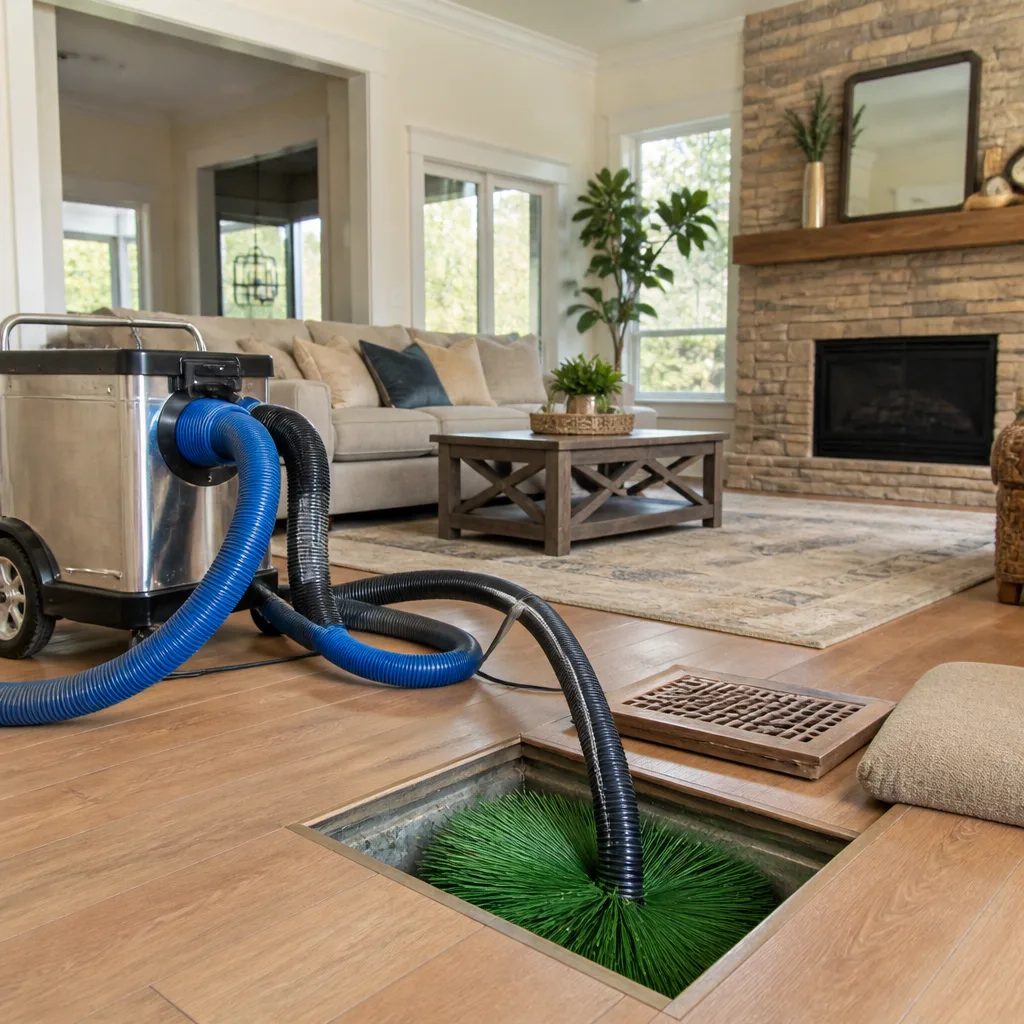 Whole-home duct cleaning
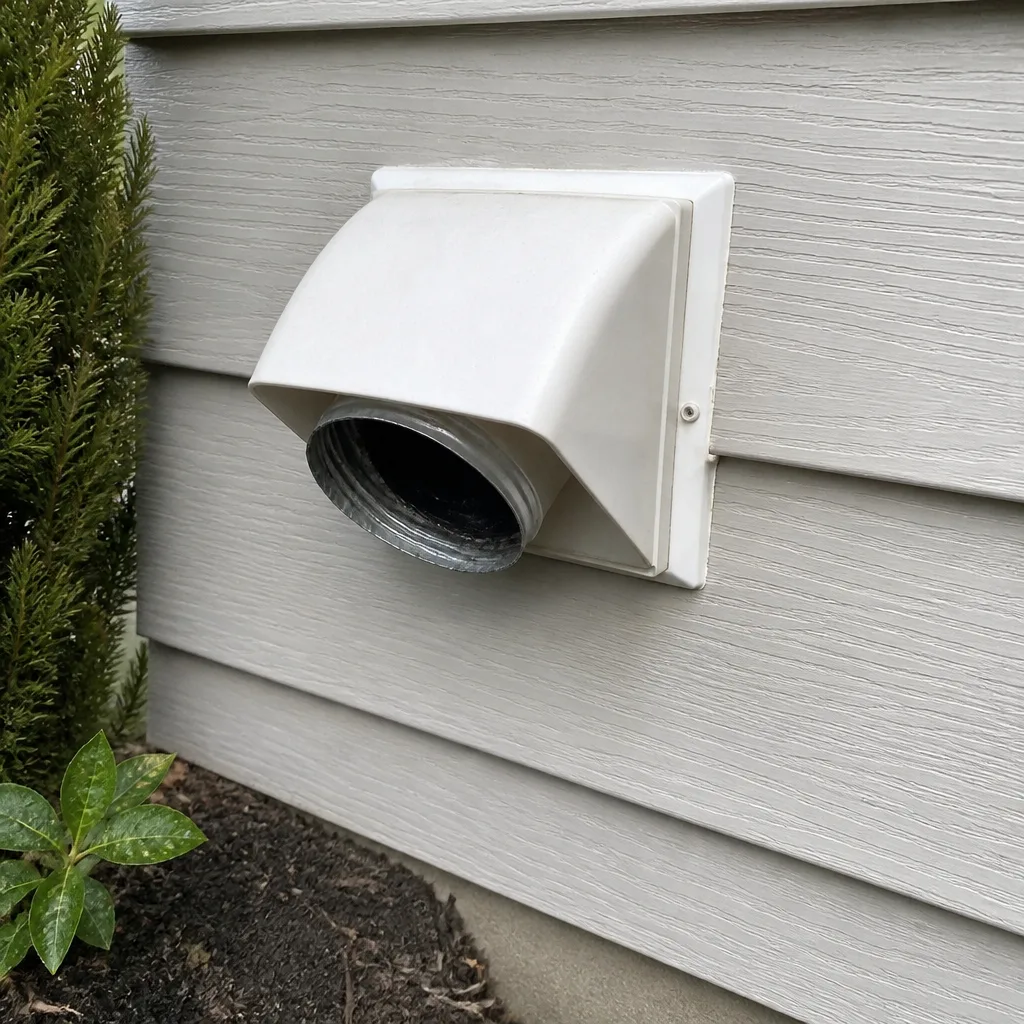 Dryer vent cleaning
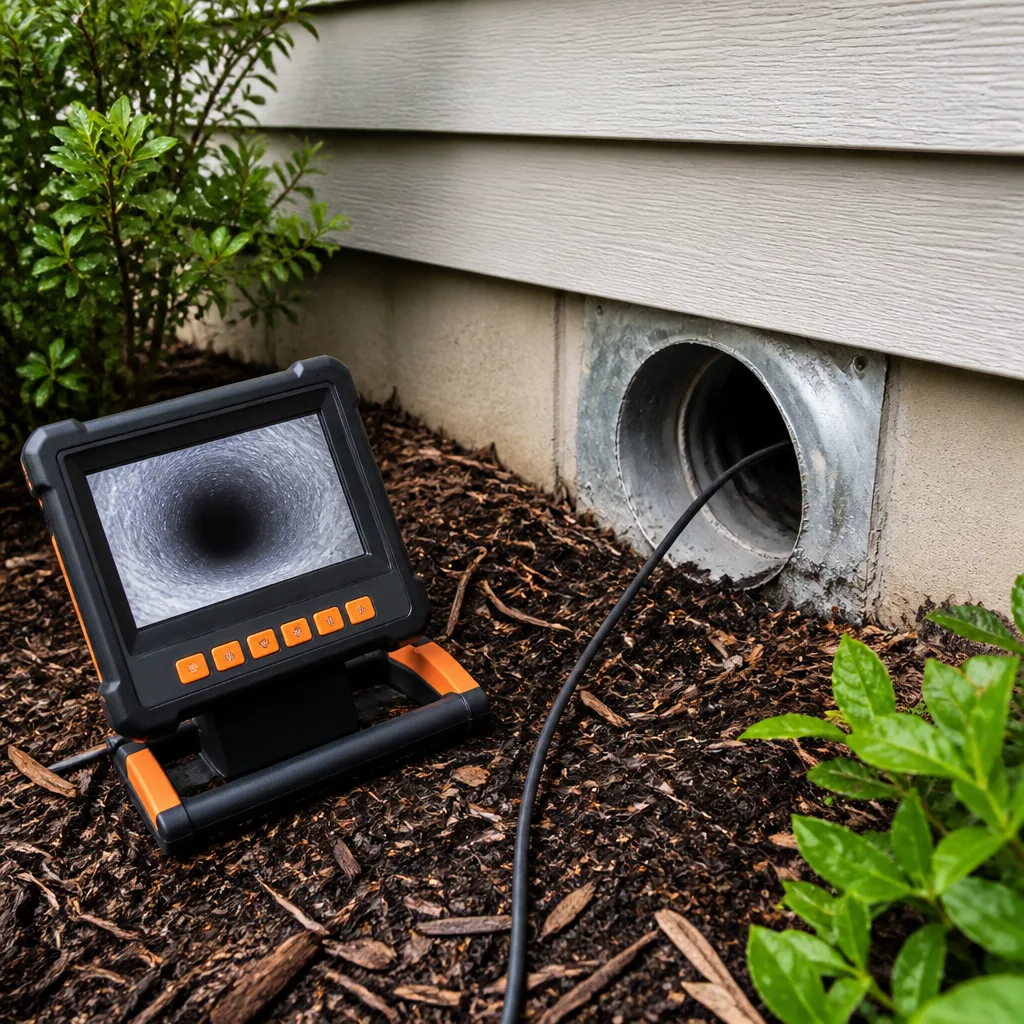 Camera inspection
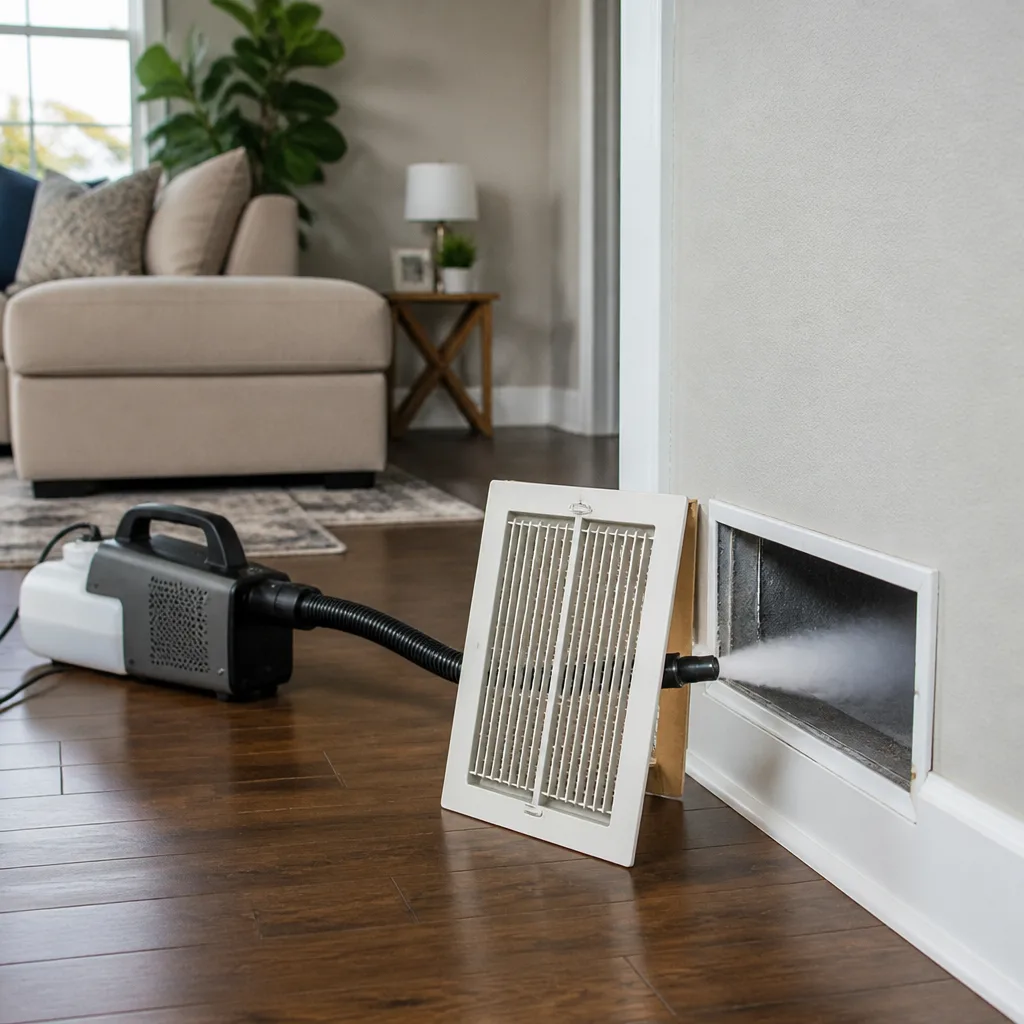 Sanitizing & deodorizing
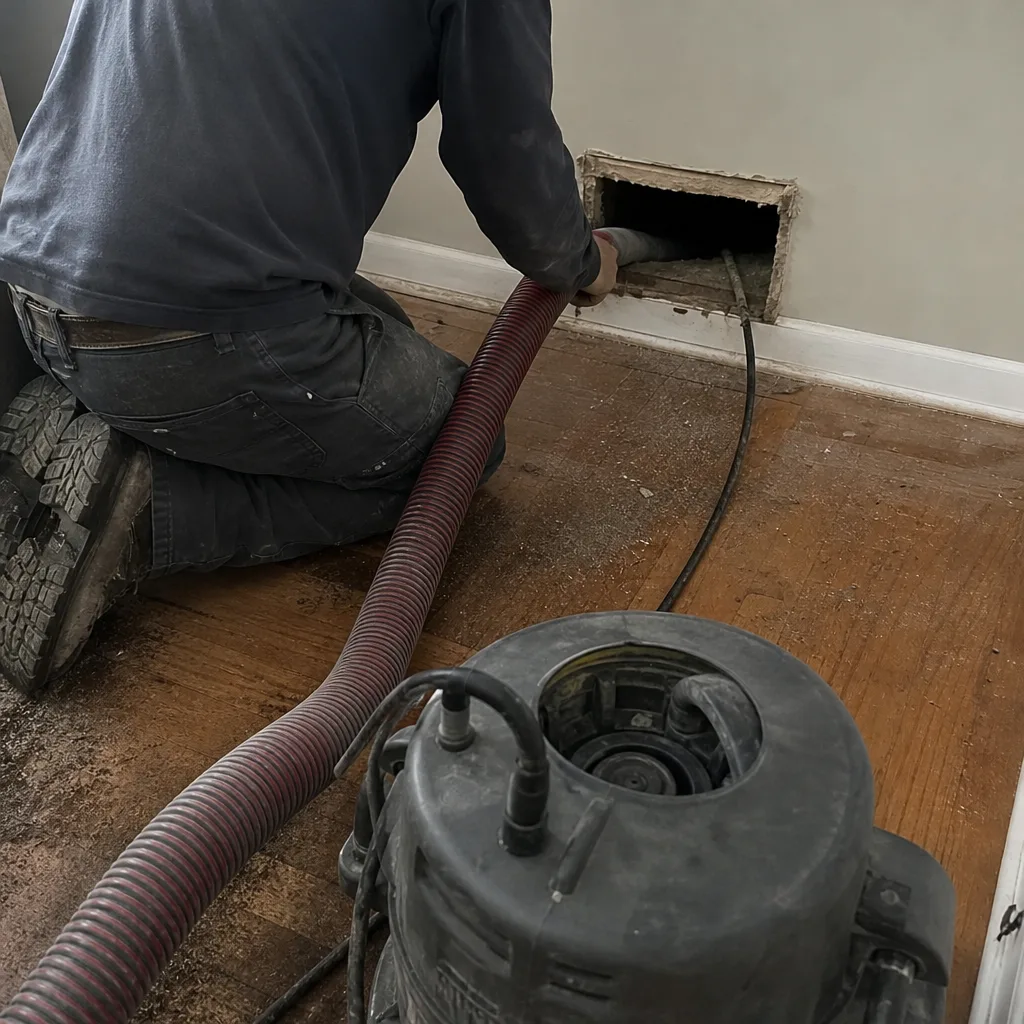
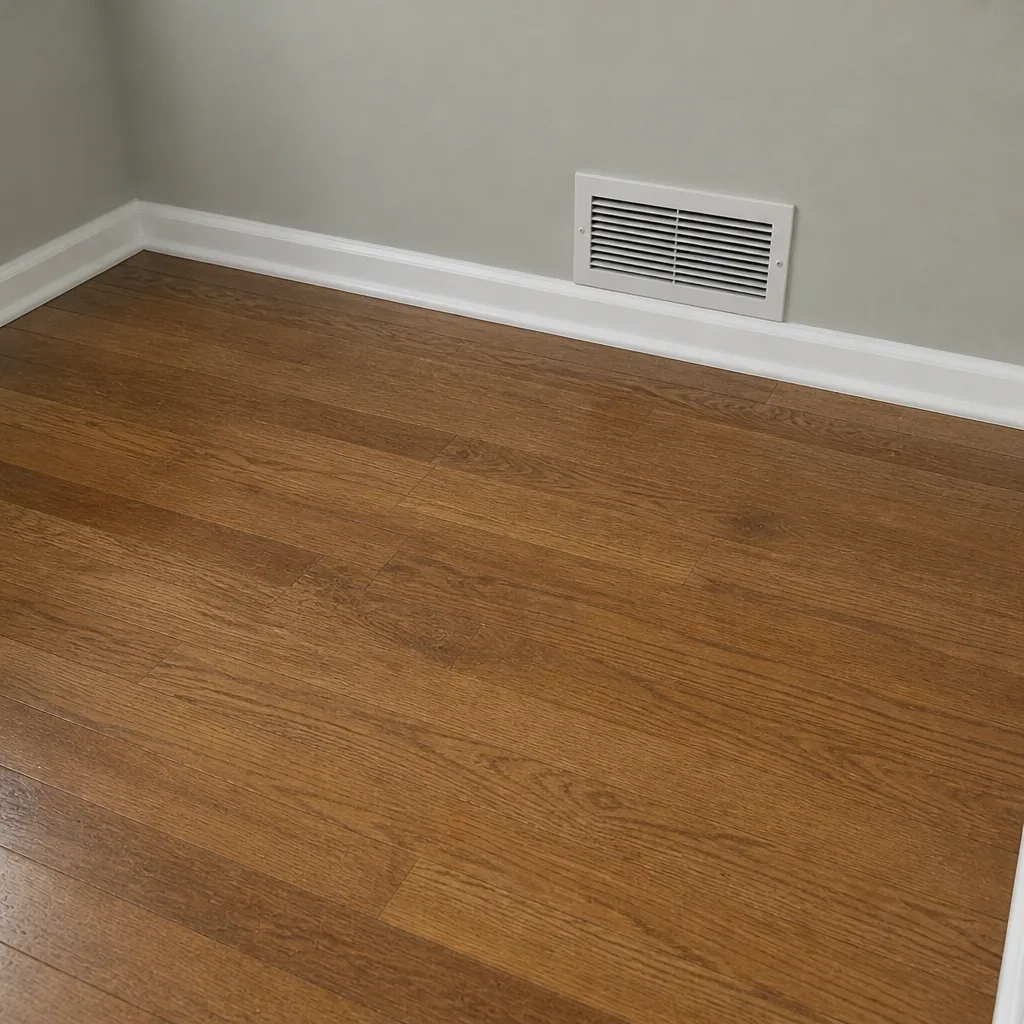
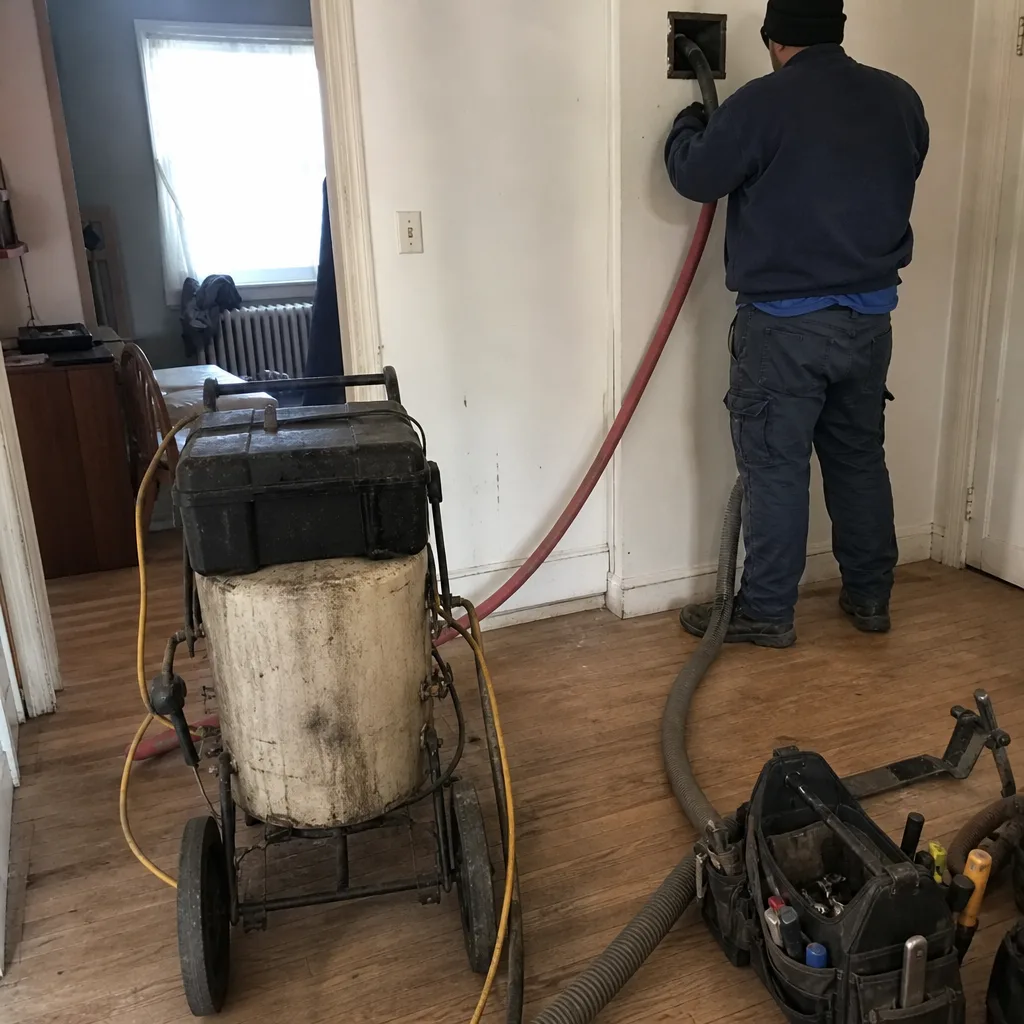
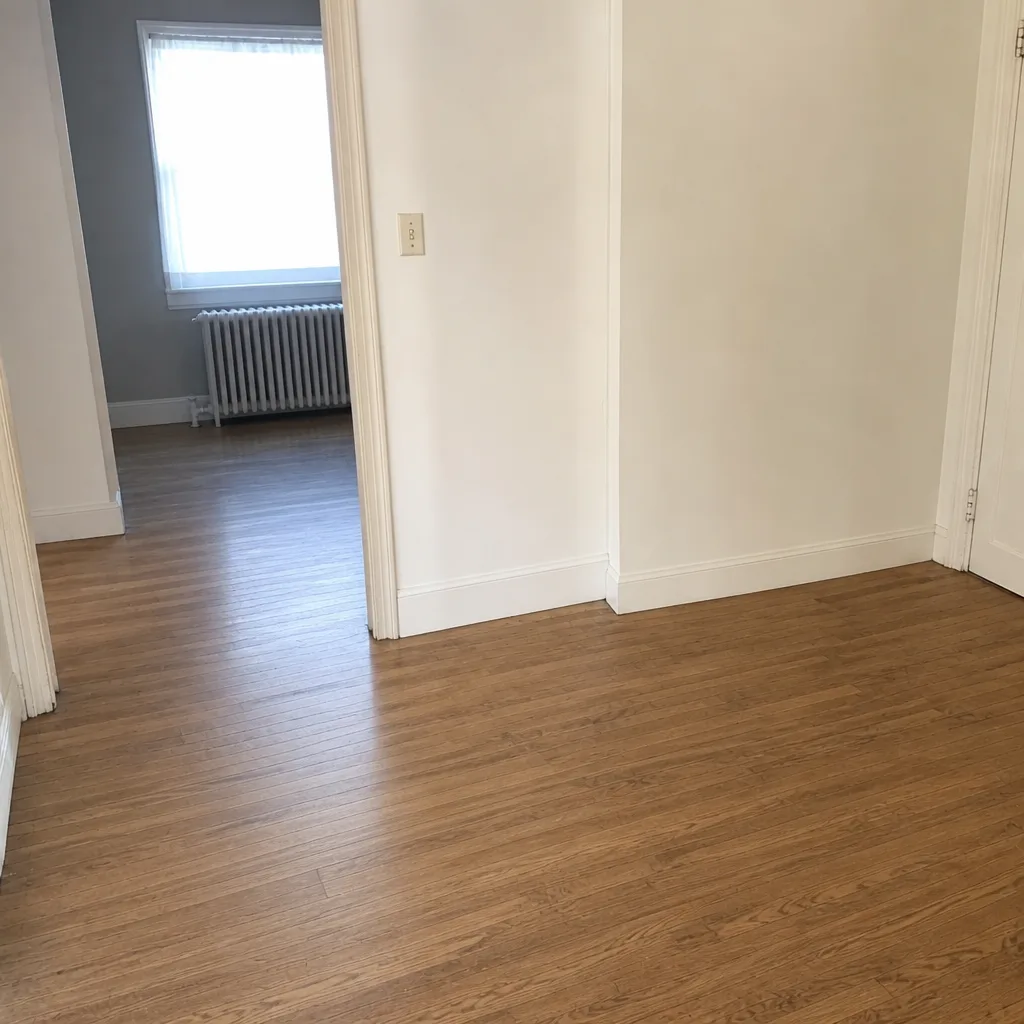
Whole-system duct and dryer vent check with before-and-after photos - you see exactly what came out of your vents
That "$99 whole-house special" is a bait ad - the real number appears once they are in your hallway, or the "clean" is a shop-vac at the register. We photograph the inside of your ducts before and after instead.
Seasonal Air Duct Cleaning Care for Torresdale: Year-Round Homeowner’s Guide
Most homeowners pick a duct cleaning date the way they pick a dentist appointment: once a year, whenever it’s convenient. That approach misses how a duct system actually behaves. The worst time to find out your ducts are carrying mold-supporting debris is mid-July, when the AC runs most of the day and pushes that air into every room. Torresdale’s humid summers make the condition of your ducts a genuine indoor air variable before cooling season starts, not after. This guide maps your duct system’s behavior to each season here so that maintenance timing follows what the system is doing, not an arbitrary date on a calendar.
Quick Answer
Air ducts in Torresdale tend to need the most attention in late summer, when humidity has had weeks to condense inside poorly insulated duct runs, and again in fall, before heating season pulls warmed air through a system that may be carrying dust, pollen, or combustion byproducts. Spring is the time to check for pollen and mold spore buildup left from winter, and any season is the right time to inspect if you notice odor on startup, darkening registers, or worsening allergies. The right schedule follows your system’s runtime and your home, not a single fixed month.
Styles & brands we work with
- Whole-home duct cleaning
- Dryer vent cleaning
- Camera inspection
- Sanitizing & deodorizing
Table of Contents
- Why Seasonal Timing Matters More Than an Annual Date
- What Happens Inside Ducts During Torresdale’s Humid Summers
- The Pre-Heating Season Checklist
- Spring Cleaning Priorities for This Region
- How Runtime Patterns Affect Debris Accumulation
- Signs a Seasonal Shift Has Pushed Your System Past a Cleaning Threshold
- Building a Year-Round Schedule That Fits Your Home
- What Professional Equipment Changes About the Job
Why Seasonal Timing Matters More Than an Annual Date
A duct system isn’t a static container. It’s a moving-air pathway, and what moves through it changes with the weather. In Torresdale, that means your ducts see very different loads in July than they do in January. A home that sits comfortably through spring can build up debris quickly during a humid stretch, because moisture changes what dust and organic particles do once they settle.
The annual-cleaning habit ignores this. It assumes debris accumulates at a steady rate, which it doesn’t. Dust that stays dry stays loose and gets carried to the filter. Dust that picks up moisture binds to duct walls and starts to support biological growth. The same amount of incoming debris can mean very different things depending on how wet your system has been.
Timing also matters for another reason. Cleaning a system right before the season it works hardest means clean air during the months you’ll notice it most. Cleaning after a heavy season removes the load that built up when the system was running constantly.
Here’s how the year breaks down in practical terms:
- Late summer: highest humidity load, highest cooling runtime, most opportunity for moisture to bind debris in place.
- Early fall: transition season, best window for inspection and cleaning before heating starts.
- Winter: heating runtime drives dry dust and, in some homes, combustion byproducts through the system.
- Spring: pollen and mold spores from winter moisture, plus renovation dust from active remodeling nearby.
We don’t recommend a single cleaning month. We recommend matching the work to what your system is actually carrying, and Torresdale homes see all four of those loads in a normal year.
What Happens Inside Ducts During Torresdale’s Humid Summers
Summer is the season that stresses a duct system most here. When outdoor humidity is high and your air conditioner runs for long stretches, the air inside your ductwork carries more moisture than it does in drier months. Where ducts run through unconditioned space, like an attic or a crawlspace, the temperature difference between the cool air inside the duct and the warmer air outside it can cause condensation on the duct’s exterior surface and, in poorly sealed or poorly insulated runs, moisture problems that reach the interior.
Flex duct is where this shows up most. Flexible duct has ridges and a wire helix that create low spots where air moves more slowly. If the insulation jacket is compromised, or if a connection is loose, that slow-moving air can hold moisture against the duct wall. Once dust settles into that damp environment, it stops behaving like dust. It clumps, it darkens, and it can begin to support mold growth.
This is why summer cleaning isn’t just about removing dust. It’s about removing the material that moisture has already changed. A system that felt fine in May can develop a musty smell by August, and the smell is telling you the debris load changed character, not just volume.
What to watch for during the cooling season:
- Musty or earthy odor when the AC first starts each cycle.
- Visible moisture or staining around flex duct connections in the attic or crawlspace.
- Condensation dripping from supply registers or nearby duct surfaces.
- Dust that reappears on surfaces faster than it did in spring.
- Worsening allergy symptoms in family members during peak cooling months.
If you notice two or more of those, the system is worth inspecting before the season ends. Our technicians have up to 12 years of experience with this exact pattern in humid climates, and it’s one of the most common reasons we get called in the middle of summer.
The Pre-Heating Season Checklist
Fall is the best window for a full inspection, and it’s the season most homeowners skip. The reason is simple: heating season changes what moves through your ducts. In a home with a gas furnace, combustion byproducts can enter the airstream if the heat exchanger or venting has a problem. In any home, the first weeks of heating send a surge of warmed air through ductwork that may have been sitting relatively idle.
We’re not suggesting you inspect your own heat exchanger. That’s a job for a qualified HVAC technician, and it involves components that can be dangerous to handle without training. What you can do is make sure your ducts aren’t adding to the problem, and that the system gets looked at before it starts working hard.
A practical pre-heating checklist for a Torresdale home:
- Walk the house and look at every supply and return register. Note any that are darker than the others.
- Check for musty or burning odors the first time you run the heat. Burning dust smell that fades in a few minutes is normal. A persistent smell is not.
- Look at accessible duct runs in the attic, basement, or crawlspace for disconnected joints, crushed flex duct, or visible moisture.
- Replace the filter before the first cold snap, and note the date so you can track how fast it loads up.
- Schedule a professional inspection if the system hasn’t been cleaned in more than two years, or if you’ve never had it done in this home.
- Ask about duct sealing if you notice rooms that never get warm enough, since leaking ducts waste heat before it reaches the room.
That last point matters. Duct repair and sealing addresses the root cause of air loss, and it’s the kind of work that pairs naturally with a fall cleaning. A system that leaks at the joints pulls attic air, crawlspace air, and insulation particles into the airstream. Sealing those joints is often the difference between a cleaned system and a system that stays clean.
Spring Cleaning Priorities for This Region
Spring in Torresdale brings three loads into your home at once. The first is pollen, which peaks as trees and plants release it and which finds its way into return air through open windows, door gaps, and any leak in the duct system. The second is mold spores that developed during winter moisture and are now being disturbed as the system transitions from heating to cooling. The third is construction dust, which is easy to overlook but common in established neighborhoods where homes are being renovated.
Pollen is small enough to pass through many standard filters, and it’s sticky. It collects on the interior surfaces of ductwork and on the blower wheel. A blower wheel coated in pollen and dust moves less air, which makes the system work harder and can shorten its life. That’s a spring problem with a summer consequence.
Spring is also the right time to think about the whole air path, not just the ducts. If you’ve had water intrusion over the winter, or if the house has smelled musty since the heating season, a professional inspection can determine whether the issue is in the ducts themselves or upstream in the air handler. The full-system view matters: cleaning ducts while a dirty evaporator coil or blower sits upstream just means the system re-contaminates itself.
Our spring checklist for a Torresdale home:
- Inspect and replace filters at the start of the season, and again after pollen peak.
- Check return registers for visible pollen or dust accumulation.
- Look for any sign of winter water intrusion near duct runs.
- Note whether allergy symptoms improve or worsen when the system runs.
- Consider a sanitizing treatment if the system has held moisture or odor through winter.
If you’ve had a renovation in the house or next door, add construction dust to that list. Drywall dust and sawdust travel further than most people expect, and a system that ran during the work will have pulled it into the ducts.
How Runtime Patterns Affect Debris Accumulation
Air handlers don’t run at a constant rate all year. In winter, a furnace cycles on and off depending on outdoor temperature. In summer, a well-sized air conditioner may run almost continuously during a heat wave. In spring and fall, the system might barely run at all. Each pattern moves a different amount of air through the ducts and deposits debris at a different rate.
Here’s how that plays out across a typical year:
- Heating season: intermittent runtime, but the air is dry and warm. Dry dust stays loose and much of it reaches the filter. Accumulation on duct walls is slower.
- Cooling season: high runtime, and the air carries more moisture. Debris sticks to duct walls faster, and the higher volume of air means more particles pass through the whole system each day.
- Shoulder seasons: low runtime in most homes. Debris that settled during the previous season sits undisturbed until the next one starts.
That third point is why shoulder seasons are the best inspection windows. When the system isn’t running, you can see what accumulated and address it before it gets pushed into the living space. A system that has never been cleaned but runs only in summer might be less loaded than a system that runs year-round in a larger home with pets.
We tell homeowners to think about their own runtime, not the calendar. If your system runs nearly all day in July and August, your accumulation rate is higher than a neighbor whose system cycles less. If you’ve added a pet, a family member with allergies, or a new baby since the last cleaning, your threshold has moved.
When should you accelerate the schedule?
- If the system ran continuously through a humid summer, inspect in early fall rather than waiting the usual interval.
- If you’ve had renovations in the home or nearby, add an inspection after the work wraps.
- If anyone in the home has developed new allergy or asthma symptoms, inspect sooner.
- If the filter loads up much faster than it used to, the system is moving more debris than before, and the ducts are the next place to look.
Signs a Seasonal Shift Has Pushed Your System Past a Cleaning Threshold
Duct systems don’t announce themselves. They send signals, and those signals are easy to dismiss as normal. The trick is knowing which ones actually mean the system has crossed a line and which ones are seasonal noise.
Here are the signs we treat as a real threshold:
- Odor on startup. If every time the system starts you smell something musty or stale, the source is usually in the ducts or the air handler. A smell that appears only in the first weeks of a season is often seasonal dust burning off; a smell that persists past that is not.
- Visible register darkening. Look at the face of your supply registers. If they’re darkening faster than usual, debris is accumulating in the duct and getting blown out through the grille.
- Increased allergy symptoms. If symptoms track with runtime, worsening when the system runs and easing when it doesn’t, the system is a likely contributor.
- Dust reappearing within days of cleaning surfaces. Every home has some dust, but if surfaces that used to stay clean for a week are dirty in two days, the system is recycling debris.
- Uneven airflow between rooms. A duct that’s partially blocked or disconnected will push less air. Sudden changes in how a room heats or cools are worth investigating.
Any two of those together is enough to justify an inspection. An inspection doesn’t commit you to a cleaning, and it’s the only real way to know whether the system has crossed the threshold or is just doing what systems do in a given season. We show you what we find, and the decision is yours.
Building a Year-Round Schedule That Fits Your Home
There’s no single delivery date that works for every home. What works is a schedule built around your system, your household, and the seasons here. Here’s a framework we recommend as a starting point, then adjust it based on what you learn.
A practical annual rhythm for a Torresdale home:
- Early spring: inspect filters and registers after pollen peak. Replace filters. Check for winter moisture.
- Late spring: if you’ve had renovations or noticed winter mustiness, schedule an inspection before the cooling season starts.
- Mid-summer: take note of any odor, register darkening, or symptom changes as the system runs hard.
- Early fall: this is the big one. Full inspection, cleaning if warranted, and duct sealing if leaks are found. Do this before heating starts.
- Late fall: replace the filter after the first weeks of heating, and note how loaded it is.
- Winter: watch for unusual smells or dust patterns, and keep filters changed.
That schedule works for most homes, but adjust for pets, allergies, and recent renovations. A home with two dogs and a family member with asthma should inspect more often than a home with no pets and no symptoms. A home that just had hardwood floors refinished should inspect after the dust settles, regardless of where it falls on the calendar.
The guide isn’t meant to lock you into dates. It’s meant to keep you from waiting for a problem to announce itself in July.
What Professional Equipment Changes About the Job
The equipment used on a duct cleaning job determines what the job can actually accomplish. Consumer-grade vacuums and improvised tools can remove loose dust near the registers, but they can’t reach the full duct run, and they don’t agitate debris that’s bonded to duct walls.
Professional systems work differently. Rotobrush and Nikro are industry-standard professional duct cleaning systems, the same equipment commercial HVAC contractors use. Rotobrush uses rotating brushes and a high-powered vacuum to agitate and remove debris along the full length of a duct run. Nikro systems give us high-volume negative pressure and the tooling to reach different duct configurations. Neither is a consumer tool.
For jobs that need containment-level air remediation, we use Abatement Technologies air filtration equipment. That matters when a system has held moisture, when mold or smoke is a factor, or when a cleaning needs to be done without moving contaminants into the living space. For whole-home air quality beyond the cleaning itself, we recommend from the Honeywell and Aprilaire product lines, which lets us address filtration and humidity control instead of just removing what’s already there.
Our service menu covers the full path: cleaning, dryer vent cleaning, HVAC cleaning, duct repair and sealing, and air quality sanitizing. That scope matters because air quality isn’t a single problem. It’s a system. A home with dirty ducts and leaking joints needs both addressed, and a home with a dirty blower needs it cleaned at the same time as the ducts or the ducts won’t stay clean.
The other thing to know is what happens during the visit. We protect surfaces and finishes before we start, we document what we find, and we show you before-and-after photos of your ducts when we’re done. That’s how you know the work was actually done.
Common Mistakes to Avoid
- Booking a cleaning on a fixed annual date. A single yearly appointment ignores how your system behaves in different seasons, and it may have you cleaning at the wrong time for the load your home carries.
- Waiting until the middle of summer to inspect. If humidity has had weeks to bind debris to duct walls, you’ve already been breathing the result. The time to act is before the cooling season, not during it.
- Skipping the fall inspection. Fall is the right window for combustion byproduct concerns and for heat exchanger proximity checks, and it’s the season homeowners skip most often.
- Cleaning ducts without checking the air handler. A dirty blower or evaporator coil will re-contaminate ducts quickly. Cleaning the whole air path at once is the only way to keep the result.
- Assuming a filter handles everything. Filters catch some particles, but they don’t remove what’s already bonded to duct walls, and they don’t fix leaks at the joints.
- Ignoring register darkening. A darkening register is a visible signal that the duct behind it has a deposit problem. Waiting for it to fully black out means waiting too long.
- Hiring on price alone without asking about equipment. The tooling determines what a job can accomplish. Ask what system will be used in your home before you book, and be wary of a crew that can’t name it.
Each of these is something we run into in Torresdale, and each is fixable once you know to look for it.
See the difference
 Before
 After
 Before
 After
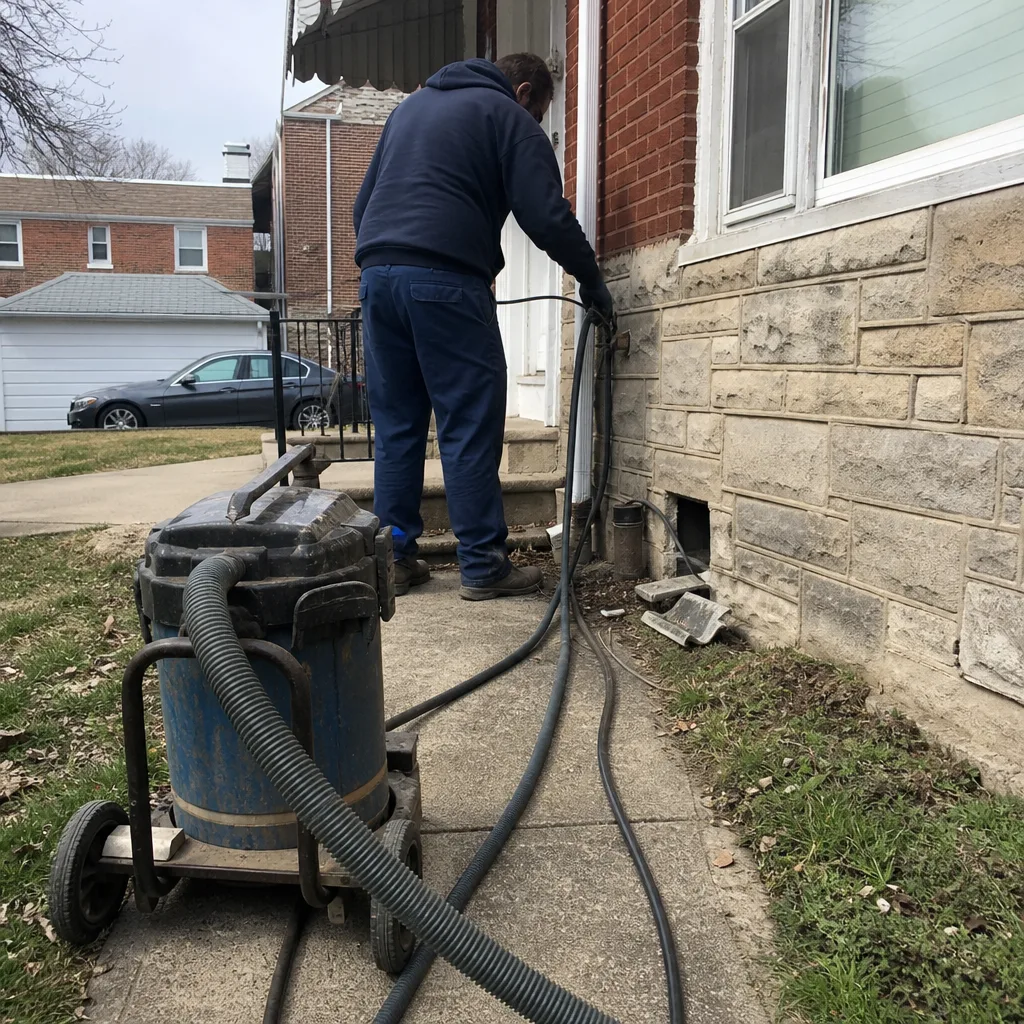 Before
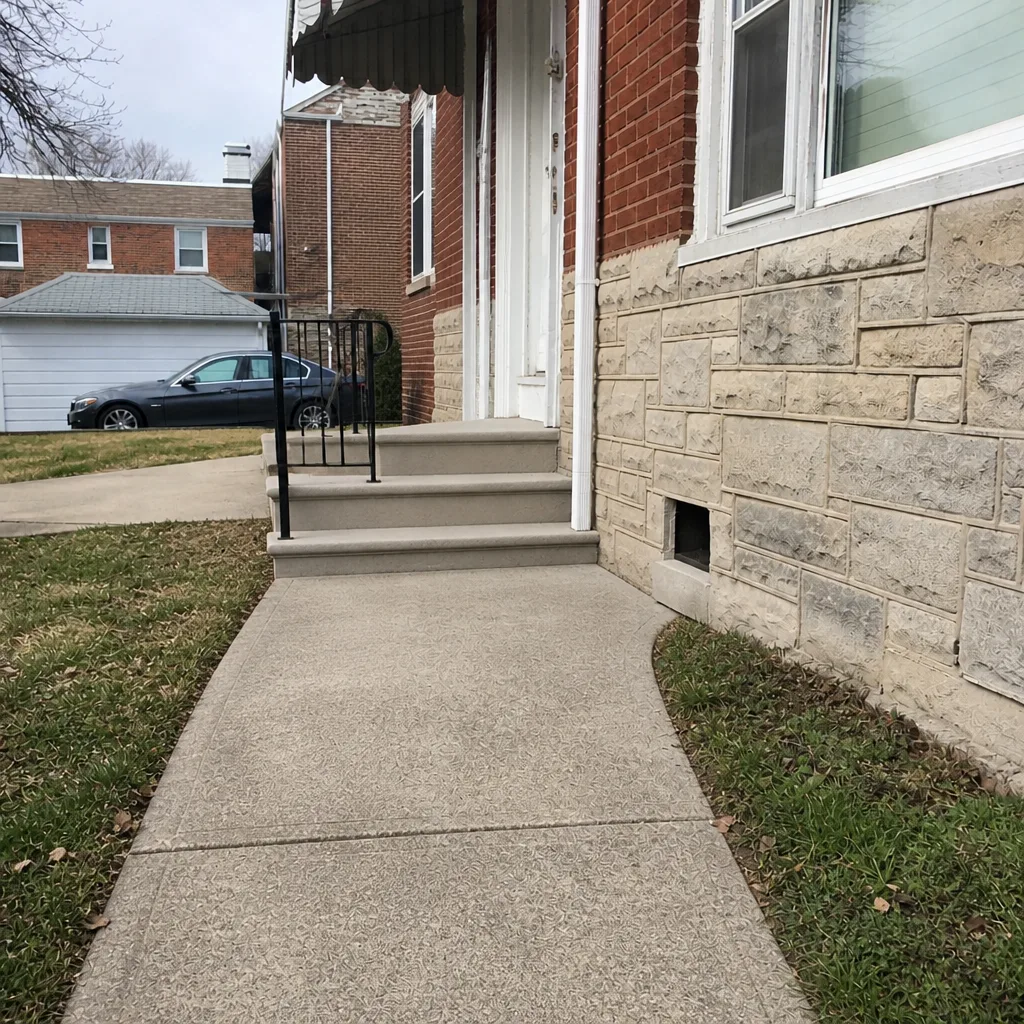 After
When to Call a Professional
Some signs call for a professional inspection rather than a filter change. If you smell musty or stale air every time the system starts, if registers are visibly darkening, if you’ve had water intrusion or renovation work that sent dust through the house, or if anyone in the home has new allergy symptoms that track with the system running, it’s time to have the system inspected. The same goes for a home where the ducts have never been cleaned, or where the last cleaning was more than two years ago and the system runs heavily in summer.
Air Duct Cleaning Torresdale offers free estimates. For a Torresdale air duct cleaning inspection, call (833) 482-6614. We answer 24/7. Fast dispatch from 7am to 7pm, Sunday through Friday. The price is set per job by the written estimate, and we show you what we find.
Frequently Asked Questions
Most Torresdale homes do best with an inspection every fall before heating season and a cleaning every one to two years, depending on runtime, pets, and allergy concerns. If you’ve had a humid summer with heavy AC use or a home renovation, inspect sooner. Call (833) 482-6614 for a free estimate and the team will tell you what your system actually needs.
Early fall is the best single window because it precedes heating season and follows the humid summer, when debris is most likely to have bound to duct walls. That said, spring is also important here because of pollen and mold spores from winter moisture. The truth is that timing should follow your system’s condition, not a fixed month, and an inspection is the only way to know. Call (833) 482-6614 to book one.
Summer humidity in Torresdale can create condensation inside poorly insulated or poorly sealed duct runs, and moisture changes how debris behaves once it settles. When dust gets damp, it can support mold growth, and the musty smell is the signal. Calling for an inspection is the fastest way to find out whether the issue is in the ducts or upstream in the air handler. Call (833) 482-6614 for a free estimate.
No. A shop vacuum can’t reach the full duct run, can’t agitate bonded debris, and can spread contaminants into the living space instead of containing them. Professional systems like Rotobrush and Nikro use rotating agitation and high-volume negative pressure, and Abatement Technologies filtration lets us contain contamination when the job calls for it. If you’re concerned about what’s in your ducts, book a professional inspection. Call (833) 482-6614.
Both. A leaking duct pulls air from the attic, crawlspace, or wall cavity, which carries insulation particles, dust, and whatever else is in those spaces into your living space. Sealing the leaks is the only way to stop that, and it’s why we offer repair and sealing alongside cleaning. Call (833) 482-6614 to have your system checked for leaks.
Watch for odor on startup, visible register darkening, dust reappearing faster than usual, and allergy symptoms that track with the system running. Any two together justify an inspection. If the system has held those signs for weeks, it’s past time to have it looked at. Call (833) 482-6614 for a free estimate.
The Bottom Line
Torresdale’s seasons put four distinct loads on your duct system, and a single annual cleaning date doesn’t match any of them well. Summer humidity can bind debris to duct walls and create moisture problems in poorly insulated runs. Fall is the right window for inspection before heating starts, and it’s the season most homeowners skip. Spring brings pollen, winter mold spores, and renovation dust, and runtime patterns across the year affect how fast debris accumulates. Watch for the signals that tell you the system has crossed a threshold, build a schedule around your own home, and use professional equipment for the work that needs it. Air Duct Cleaning Torresdale handles cleaning, repair and sealing, HVAC cleaning, dryer vent work, and sanitizing, and we show you what we find. Call (833) 482-6614 for a free estimate.
Contact Us
If you’ve seen the signs in this guide or you just want to know what’s in your ducts, call (833) 482-6614 for a free estimate. Air Duct Cleaning Torresdale handles the full picture: air duct cleaning with professional-grade Rotobrush and Nikro equipment, HVAC cleaning, duct repair and sealing, and air quality sanitizing. We answer 24/7. Fast dispatch from 7am to 7pm, Sunday through Friday. You get one flat price per system agreed before work starts, and before-and-after photos of your own ducts when the job is finished.
Written by the team at Air Duct Cleaning Torresdale.