
Last updated November 25, 2026
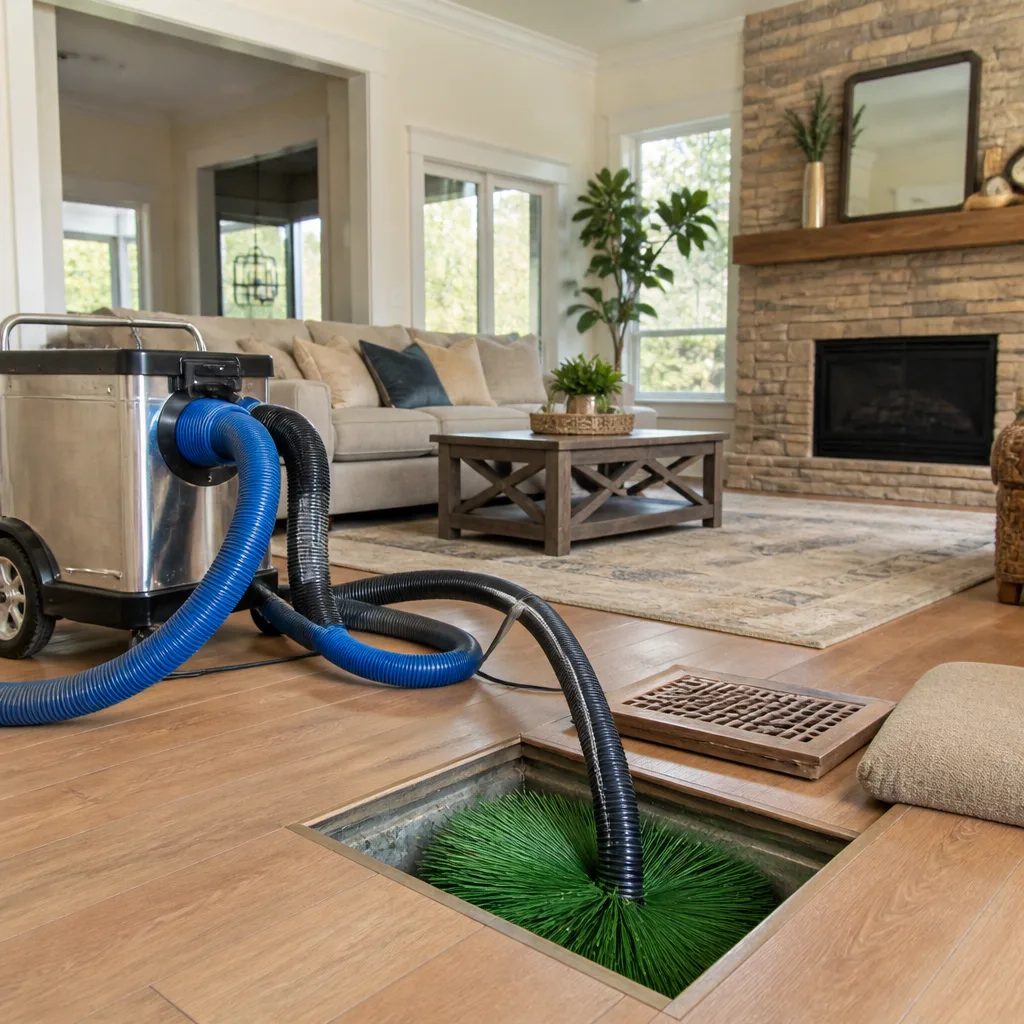 Whole-home duct cleaning
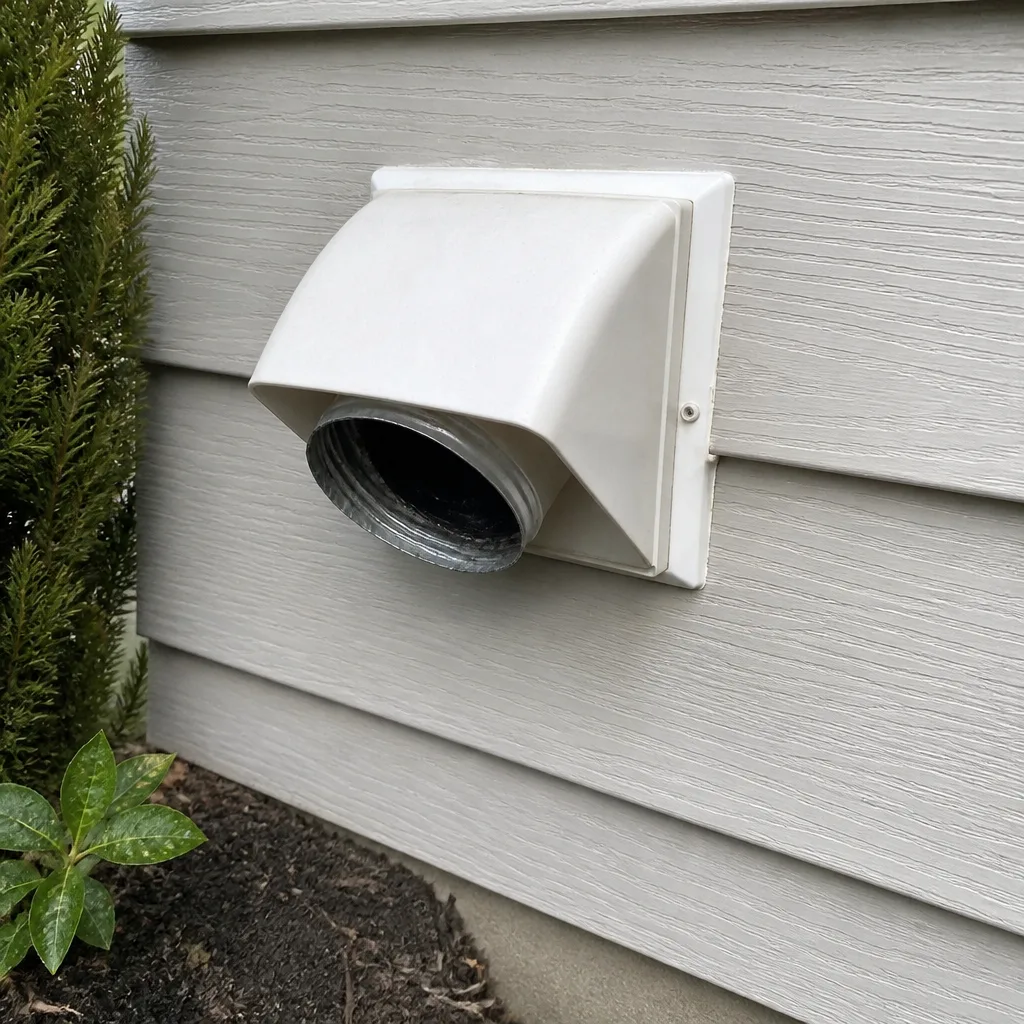 Dryer vent cleaning
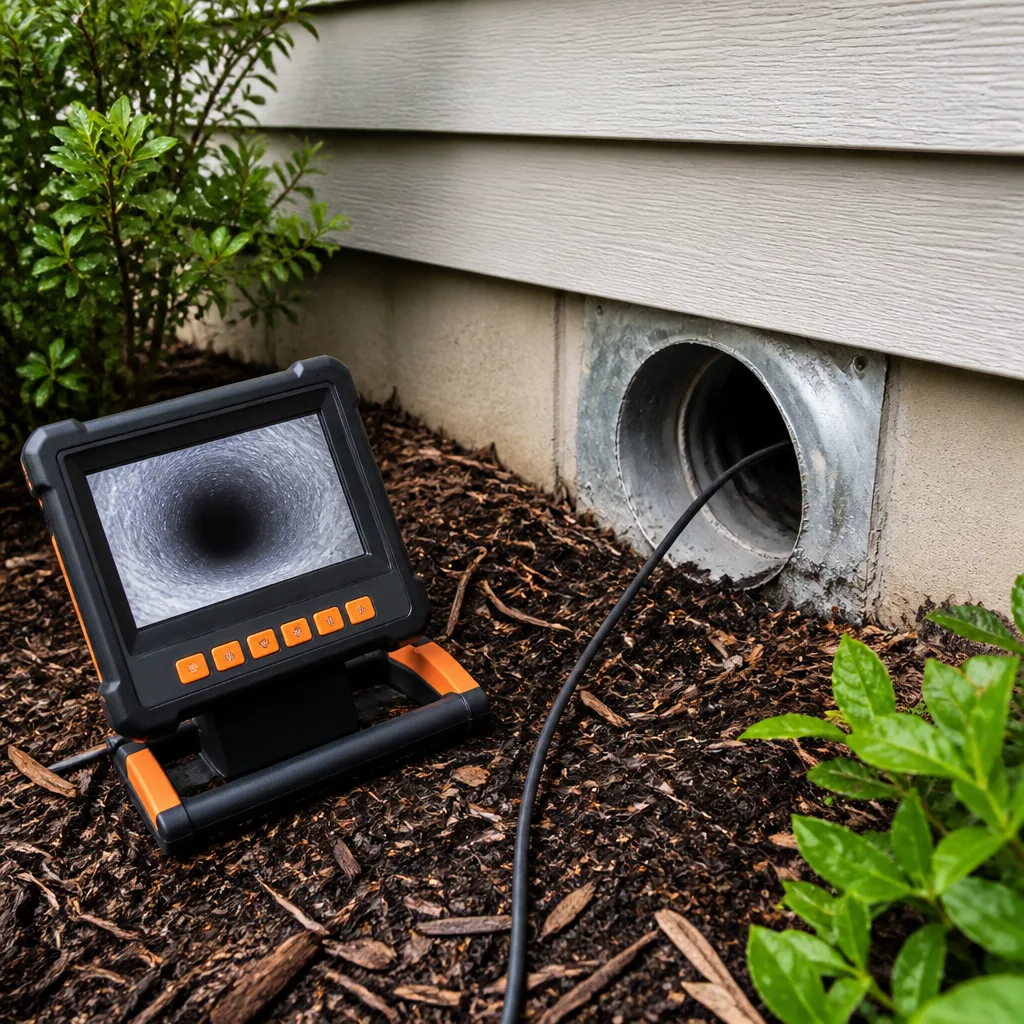 Camera inspection
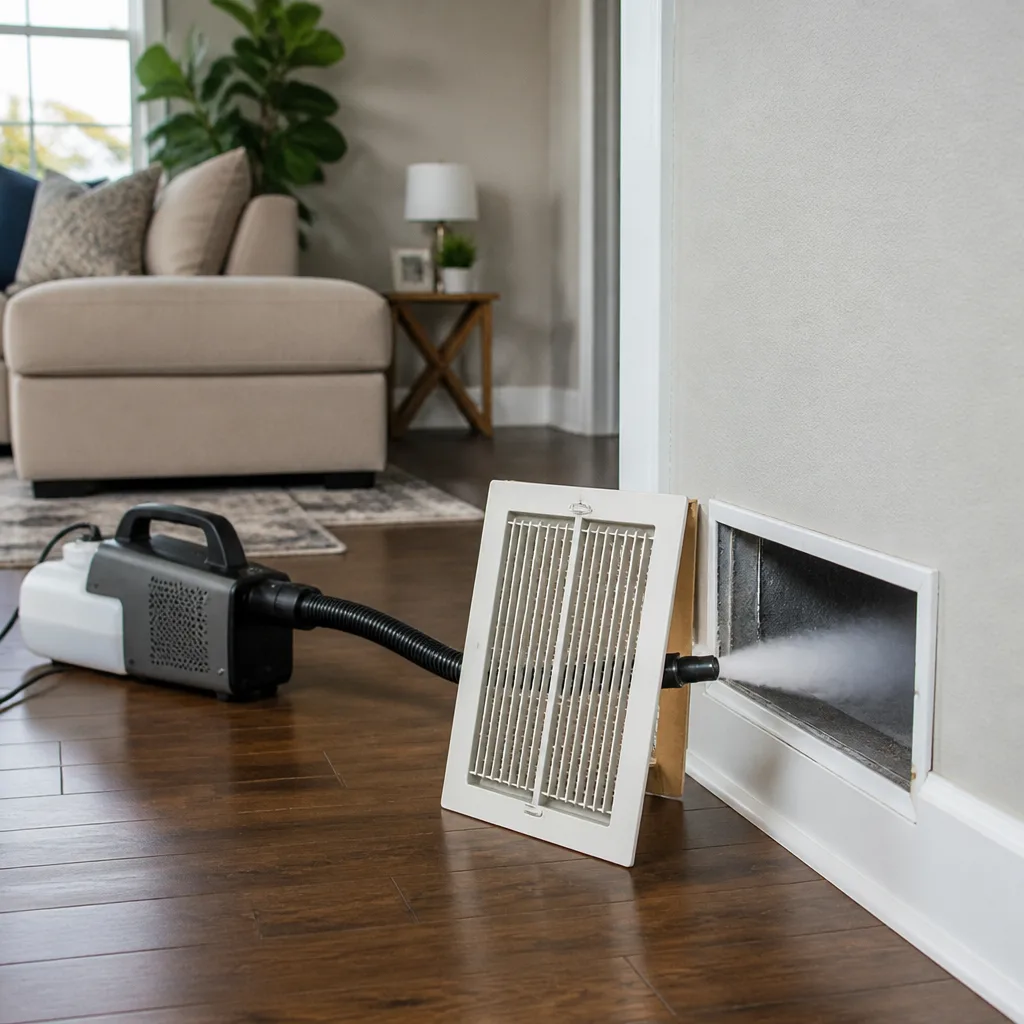 Sanitizing & deodorizing
Whole-system duct and dryer vent check with before-and-after photos - you see exactly what came out of your vents
That "$99 whole-house special" is a bait ad - the real number appears once they are in your hallway, or the "clean" is a shop-vac at the register. We photograph the inside of your ducts before and after instead.
How to Hire an Air Duct Cleaning Contractor in Torresdale: A Step-by-Step Guide
Pennsylvania doesn’t license air duct cleaners the way it licenses plumbers or electricians. Anyone with a van and a hose can legally take your money, which makes what you ask before they arrive the only real quality filter you have. That’s the uncomfortable truth behind every “duct cleaning special” flyer that lands in Torresdale mailboxes. The state isn’t checking credentials for you, so the checking falls to you, and this guide is built to make that job simple. You’ll learn the exact equipment questions that separate contractor-grade operators from coupon-bait crews, how whole-system pricing differs from per-vent pricing, and what to watch for during the job itself. Torresdale homeowners who read this first tend to get a better result.
Quick Answer
To hire an air duct cleaning contractor in Torresdale, ask three equipment questions before you book: what vacuum is used, how the system is placed under negative pressure, and what brush system reaches the duct walls. Then verify whole-system pricing rather than per-vent pricing, confirm the crew carries insurance that covers property damage during ductwork access, and ask whether they belong to NADCA. A contractor who answers all four clearly is worth the call. One who dodges any of them isn’t.
Styles & brands we work with
- Whole-home duct cleaning
- Dryer vent cleaning
- Camera inspection
- Sanitizing & deodorizing
Table of Contents
- Why Process Verification Matters More Than Price
- The Three Equipment Questions Everyone Should Ask
- Why NADCA Membership Matters and What to Do Without It
- Per-Vent Pricing vs. Whole-System Pricing
- How to Verify Insurance Covers Your Property
- What to Watch for During the Job
- Why Duct Cleaning Is a System, Not a Task
- How the Work Fits Around a Torresdale Home
Why Process Verification Matters More Than Price in Torresdale
The duct cleaning trade in Pennsylvania has almost no licensing barrier to entry. That single fact reshapes everything about how you should shop. When a plumber comes to your door, you can check a state license number. When a duct cleaner comes, there’s no equivalent database to search. The work looks the same from the outside whether it’s done with a $40,000 truck-mounted system or a shop vacuum with a hose taped together. You can’t tell by watching from the sidewalk.
That’s why verification beats price comparing. A crew charging the least may be quoting a job they intend to complete in twenty minutes with no brush contact inside the ductwork. A crew charging more may be running a full Rotobrush and Nikro setup that scours the duct walls, seals the system, and pulls everything into a HEPA-filtered vacuum rated for the job. Same address, wildly different work.
Torresdale homes tend to be older stock with ductwork that’s seen decades of use. Some of that ductwork is rigid metal; some is flex; some has been added onto, patched, or rerouted through several renovations. When a system has that much variation, the equipment and the process matter more than the hourly rate. So the questions below aren’t about being difficult. They’re about making sure the person you hire can actually do the job on your particular system.
In our experience, homeowners who ask the equipment questions up front tend to end the conversation with one of two outcomes: a contractor who is glad to be asked because they can answer clearly, or a contractor who gets defensive or vague. Either answer tells you a lot.
The Three Equipment Questions Everyone Should Ask
These are the three questions we think every homeowner in Torresdale should ask before booking any duct cleaning job. A real contractor expects them. A coupon crew doesn’t.
1. What is the vacuum’s CFM rating, and what kind of filtration does it use?
CFM stands for cubic feet per minute, and it’s the measure of how much air the vacuum can move. Duct cleaning vacuums need sufficient CFM to keep up with the debris being dislodged. If the answer is “we use a shop vac,” that’s your signal. Shop vacuums don’t have the airflow or the filtration to handle a whole-system job. The professional standard is a truck-mounted or portable HEPA-filtered unit rated for the duct volume in your home. Our technicians use Rotobrush and Nikro systems for this reason: they’re built for the job, not adapted to it.
2. Will the system be under negative pressure during cleaning?
Negative pressure is the technical term for what keeps everything inside the ductwork while it’s being cleaned. The vacuum pulls from one end while the technician works from the other, so loosened debris moves toward the vacuum instead of blowing into your living room. Without negative pressure, all you’re doing is stirring up the system and releasing it into the air. A contractor who can’t explain how they’ll maintain negative pressure across your duct run isn’t cleaning your system; they’re redistributing the dust in it.
3. What brush system are you using to reach the duct walls?
Duct cleaning is not just vacuuming the air in the duct. Standard practice is a driven brush system that scrubs the interior walls where dust, dander, and debris actually settle. Flexible shaft brushes and rotary brushes are the common tools. The brush needs to reach the surfaces of the duct, not just the center where the airflow passes. Ask which brush type the contractor uses on rigid metal and which they use on flex duct, because the two require different tools. A contractor who can’t answer that hasn’t done enough of this work to understand why it matters.
Why NADCA Membership Matters and What to Do Without It
NADCA stands for the National Air Duct Cleaners Association, and it’s the closest thing the trade has to a professional standard. NADCA publishes the assessment, cleaning, and restoration standards that many commercial HVAC contractors and larger residential firms work from. Membership requires the company to adhere to those standards, to maintain training for its technicians, and to support continuing education in the field.
Here’s the practical value: NADCA membership is not required by law in Pennsylvania. But a company that pays for it, trains to it, and advertises it is signaling that they take the work seriously enough to submit to external standards. That’s a useful filter.
What to do when a company claims “certification” without proof
Some companies advertise “certified” or “licensed” without naming what certifying body they mean. That ambiguity is a red flag worth pressing on. When a company claims certification, ask these specific questions:
- Which certifying organization issued it? (NADCA is the standard answer. If they can’t name one, that’s your signal.)
- Which individual holds it, and is it company-wide or just one technician?
- Can they provide a certificate number you can verify with the organization directly?
- If they claim “air quality certification” separately from duct cleaning, what specific program issued it?
Legitimate certifications can be verified. Vague claims can’t. If the answer to any of those questions is “we’re certified in general” or “our guys are all trained,” that’s not the same thing.
Per-Vent Pricing vs. Whole-System Pricing: What the Difference Signals
This is the single biggest red flag in duct cleaning advertising, and it’s worth understanding in detail. Per-vent pricing charges you by the number of vents or registers in your home. Whole-system pricing charges a flat price for cleaning the entire system as a single job.
The two approaches signal two different job scopes. Here’s why:
- Per-vent pricing frames each vent as an independent unit. But ductwork isn’t. Every vent connects to a main trunk that connects to the air handler. Cleaning a vent means cleaning the run that feeds it, and a per-vent price either doesn’t cover the trunk or pretends the trunk is a separate line item. Either way, the customer ends up paying per vent and then paying more for the rest of the system.
- Whole-system pricing prices the ductwork as it actually works: a connected system of trunks, branches, and returns. One flat price per system, agreed before work starts, covers the whole job.
A per-vent quote can start low. It rarely ends low, because once the technician is on site, “the trunk line isn’t included” becomes a conversation. A whole-system price is the price. That’s what we give in Torresdale because it’s the only way to price the actual work.
What to ask about pricing
- Is this a flat price for my entire system, or does it break down per vent?
- Does the price include the trunk lines and the return side, or just the supply runs?
- Are there additional charges for reaching ductwork in a tight attic or crawlspace?
- Is the final price stated in writing before any work begins?
How to Verify Insurance Covers Your Property During Ductwork Access
Duct cleaning means a technician is working inside your home, opening access points, and moving equipment. Pipes can be bumped. Ceiling access panels can be damaged. Ductwork connections can be knocked loose. General liability insurance is the baseline, but it’s not enough on its own.
What you actually want to know is whether the contractor’s insurance covers damage done to your property during the work, not just third-party injuries. There are two types of coverage to ask about:
- General liability covers third-party bodily injury and property damage during business operations. Standard for any legitimate contractor.
- Property damage coverage specifically applied to the customer’s home during a job is what actually matters when a technician accidentally knocks a valve off a steam pipe or cracks a plaster ceiling access panel.
Ask these questions directly:
- Are you insured, and what is the policy limit?
- Can you provide a certificate of insurance before the job starts?
- If something gets damaged in my home during the work, how is that handled?
A legitimate contractor answers all three without hesitation. A coupon crew will often say “we’re fully insured” and change the subject. That’s not verification; that’s a verbal claim. Certificates of insurance are standard in this trade and any contractor who won’t produce one is telling you what your position would be if something went wrong.
What to Watch for During the Job
A great contractor does the work in a way you can see. You don’t have to be an expert to notice these checkpoints. In fact, most homeowners in Torresdale can tell the difference between a job done right and one done quickly by watching the first hour.
Are they sealing the system before vacuuming?
Before the vacuum starts pulling, the technician should be capping off, taping, or blocking off areas of the system that need to be isolated. This keeps air from being pulled through open register boots into the living space. If the crew is starting the vacuum before sealing the returns and open boots, they’re not doing the job properly.
Are they inspecting what they can’t reach?
Not every inch of ductwork is accessible. A good contractor uses a camera or flexible inspection tool to see into runs that can’t be reached from a standard access point. If the answer to “how do you know what’s in there” is “we’ll find out when we brush,” that’s a problem. Some hidden sections may need targeted access cut points; a professional will tell you about those before cutting anything.
Are they showing you findings?
You should see photographs or video of the before-and-after condition of your ductwork. If dirt and debris were found, a good contractor photographs the finding. The same goes for any issues discovered, like a loose connection, torn flex duct section, or disconnected run. In our experience, an honest contractor wants to show you because it’s part of the value delivered. A coupon crew shows you nothing because there’s nothing to show.
Are they protecting surfaces?
Ducts run overhead. Cord drops, hose runs, and access panels all have the potential to damage surfaces along the way. A contractor that lays down floor protection and drop cloths before starting has a process. A contractor that tracks debris through your hallway doesn’t. This is Guardsman-level surface and finish awareness: cover the surfaces before opening anything.
Why Duct Cleaning Is a System, Not a Task
The reason all of the above matters is that a home’s air quality is a system, not a single problem. The ductwork moves air. The HVAC handles the air’s temperature and humidity. The filter catches what makes it through. The airflow path includes the return side, the supply side, the ventilation, and the exhaust. Clean one part and the others still matter.
That’s why a contractor who only cleans ductwork, and nothing else, is solving part of a problem. In our Torresdale work, we break the picture into five categories: air duct cleaning, dryer vent cleaning, HVAC cleaning, duct repair and sealing, and air quality sanitizing. All five touch the same system. Duct repair and sealing addresses the root cause of air loss and contamination. Sanitizing addresses microbial contamination that cleaning alone doesn’t remove. A contractor who can handle all of it avoids the homeowner’s worst outcome: hiring a second company to fix what the first one missed.
We work with professional-grade equipment across categories: Rotobrush and Nikro for dust removal and brush-scrubbing, Abatement Technologies filtration equipment on jobs that call for containment-level air remediation, and Honeywell and Aprilaire product lines when the solution involves whole-home air quality improvement beyond the cleaning itself. That breadth is what makes a single visit useful instead of a partial fix.
How the Work Fits Around a Torresdale Home
Duct cleaning in a typical Torresdale rowhouse or single-family home is a scheduled, half-day sort of job. There’s no urgency to it the way there is to a burst pipe. That’s actually a good thing, because it means you’re never forced into a hire. You can read this guide, ask the questions, and make the call when you’ve got the answers you need.
Before we arrive, we ask homeowners to do three simple things:
- Clear a path to the air handler and to any access panels, whether they’re in a closet, hallway, or attic.
- Note any ductwork that seems loose, disconnected, or that has visible debris around the register boots.
- Write down any specific complaints: rooms that seem dustier, allergy symptoms in particular areas, unusual smells when the HVAC runs.
Those details help direct the work. Torresdale homes often have a mixed vintage of ductwork because additions and renovations happened at different times. Knowing what the homeowner has noticed helps us know where to look closely. The written estimate we give sets the final price, and the work itself is one flat price per system.
Common Mistakes to Avoid
- Booking the cheapest quote without asking what’s included. A coupon price is often a per-vent price for the cheapest part of the system. The whole-system price is the real number. Ask for it in writing, up front.
- Accepting “we’re certified” without asking by whom. NADCA is the standard. Vague certification claims should be verified against the named organization. If there’s no name, there’s no verification.
- Skipping the insurance question. Ductwork access means opening the home’s envelope in multiple places. If something gets damaged, you want insurance coverage that responds. Ask for the certificate of insurance before the job.
- Not asking how negative pressure is maintained. This is the technical heart of the job. If the contractor can’t explain it, they’re not maintaining it.
- Believing the “we’ll find it when we brush” line. A contractor who can’t show you inspection findings can’t tell you what’s in your ducts. Ask for before-and-after photos of your own ductwork, not stock images.
- Hiring on price per vent without checking what the trunk run costs. Per-vent pricing is designed to create a low starting number and a higher ending one. Whole-system pricing is honest pricing.
- Letting the crew start work without laying down floor protection. Surface protection should be part of the process, not an afterthought. If the floors aren’t covered before the first access panel opens, the job isn’t set up right.
See the difference
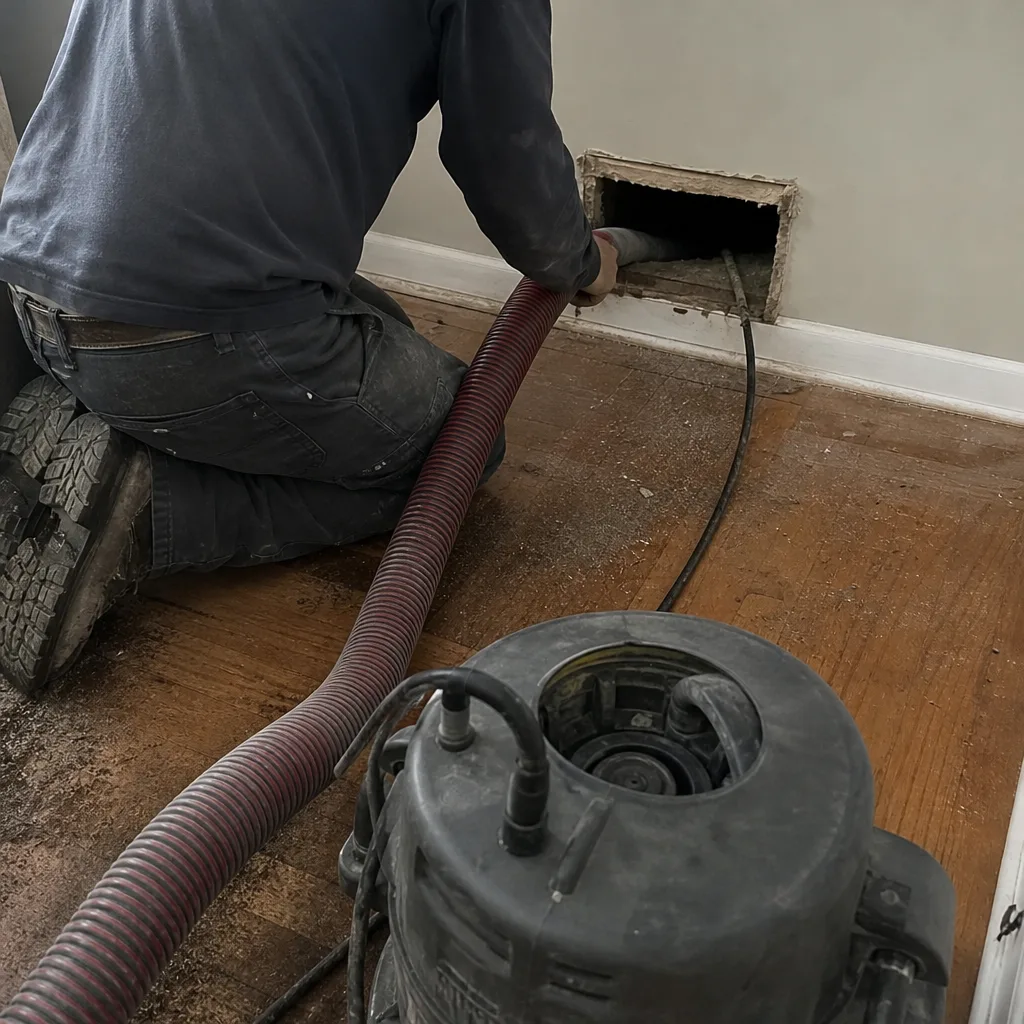 Before
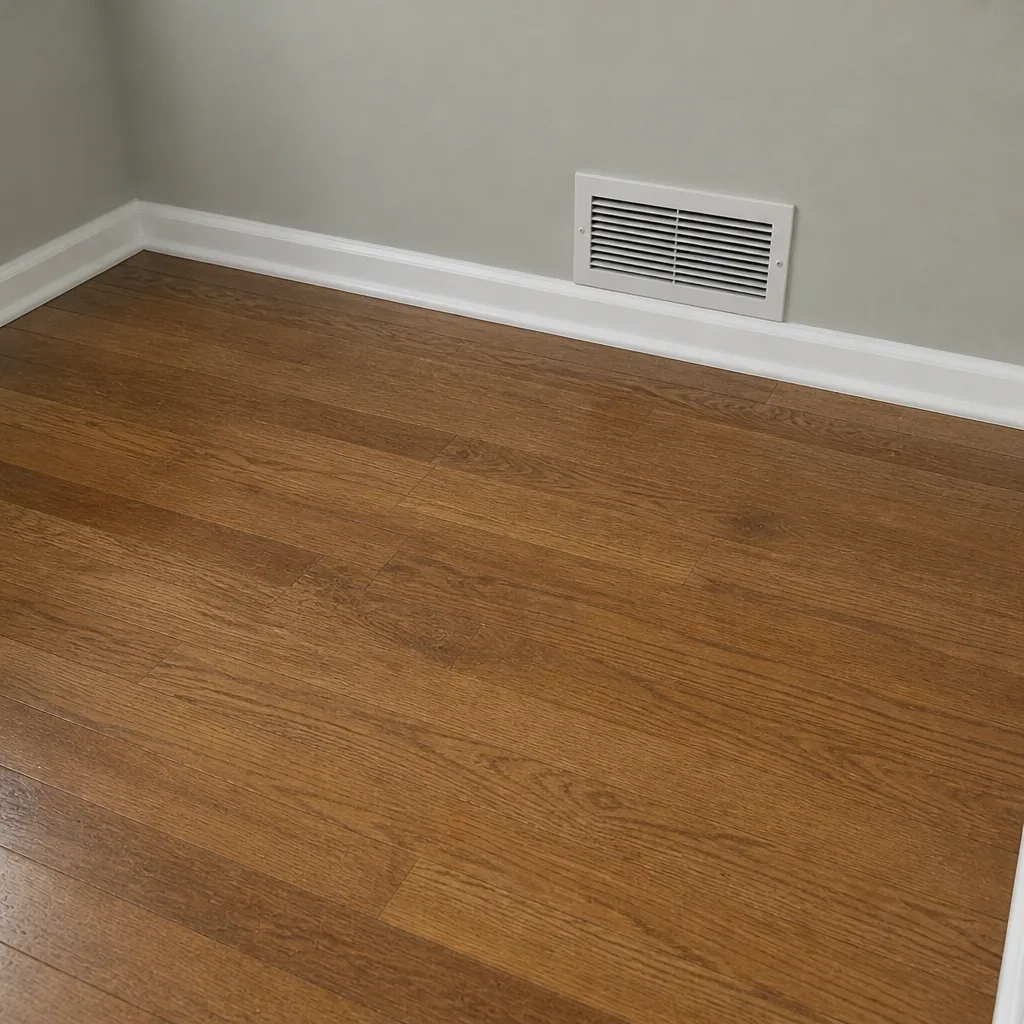 After
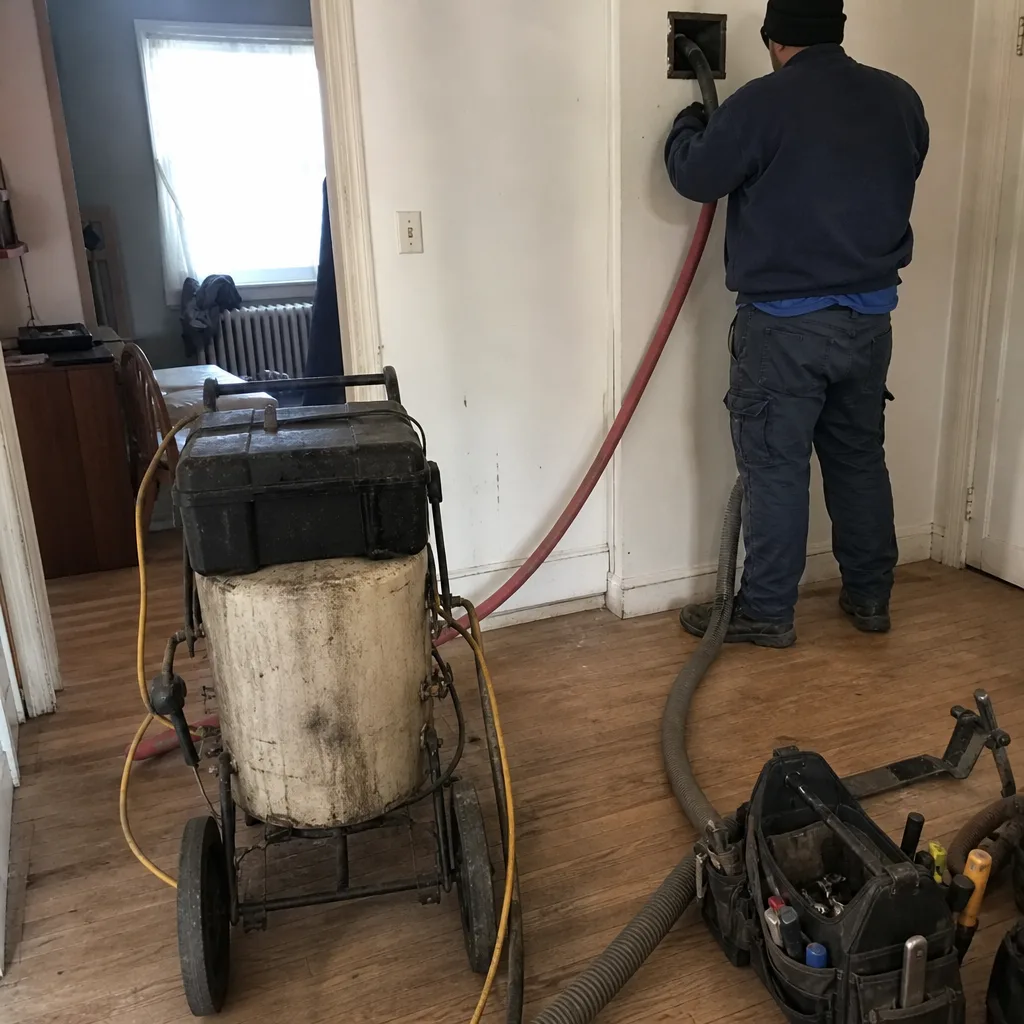 Before
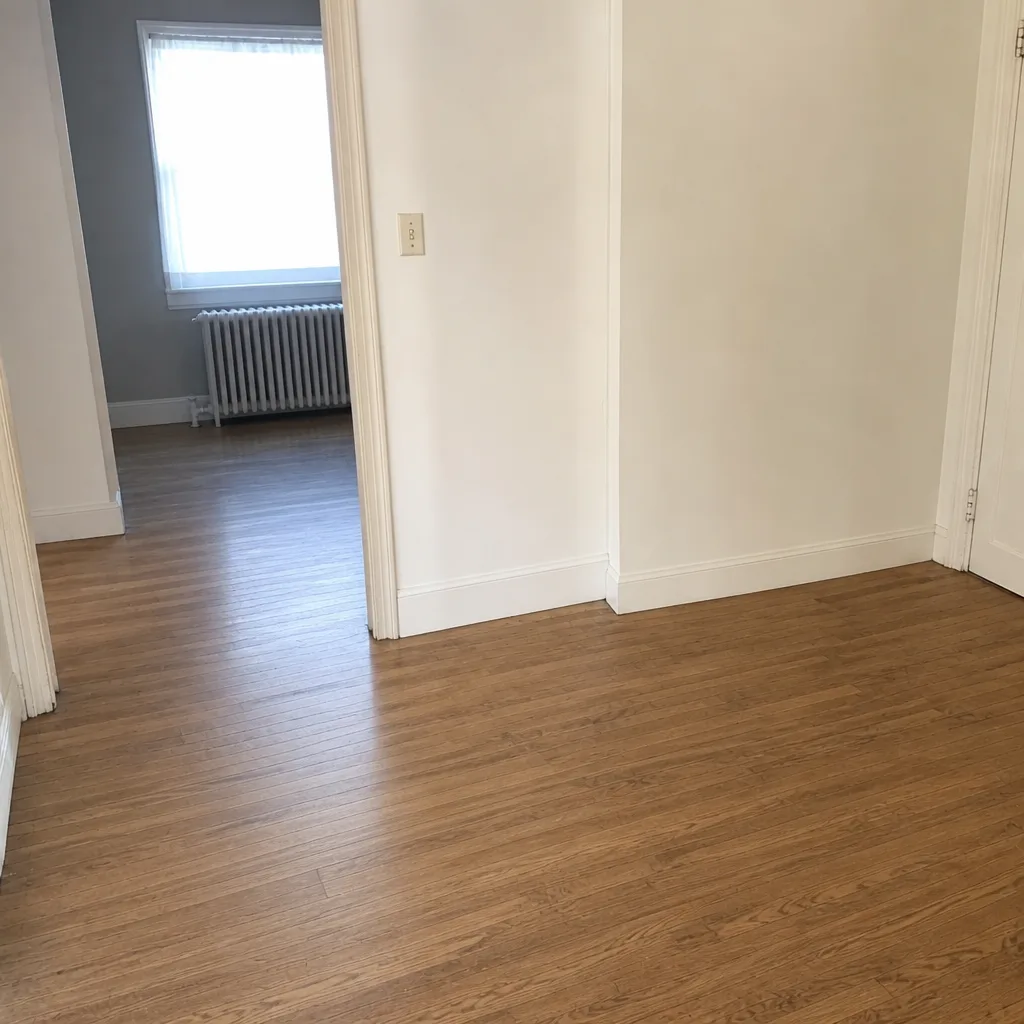 After
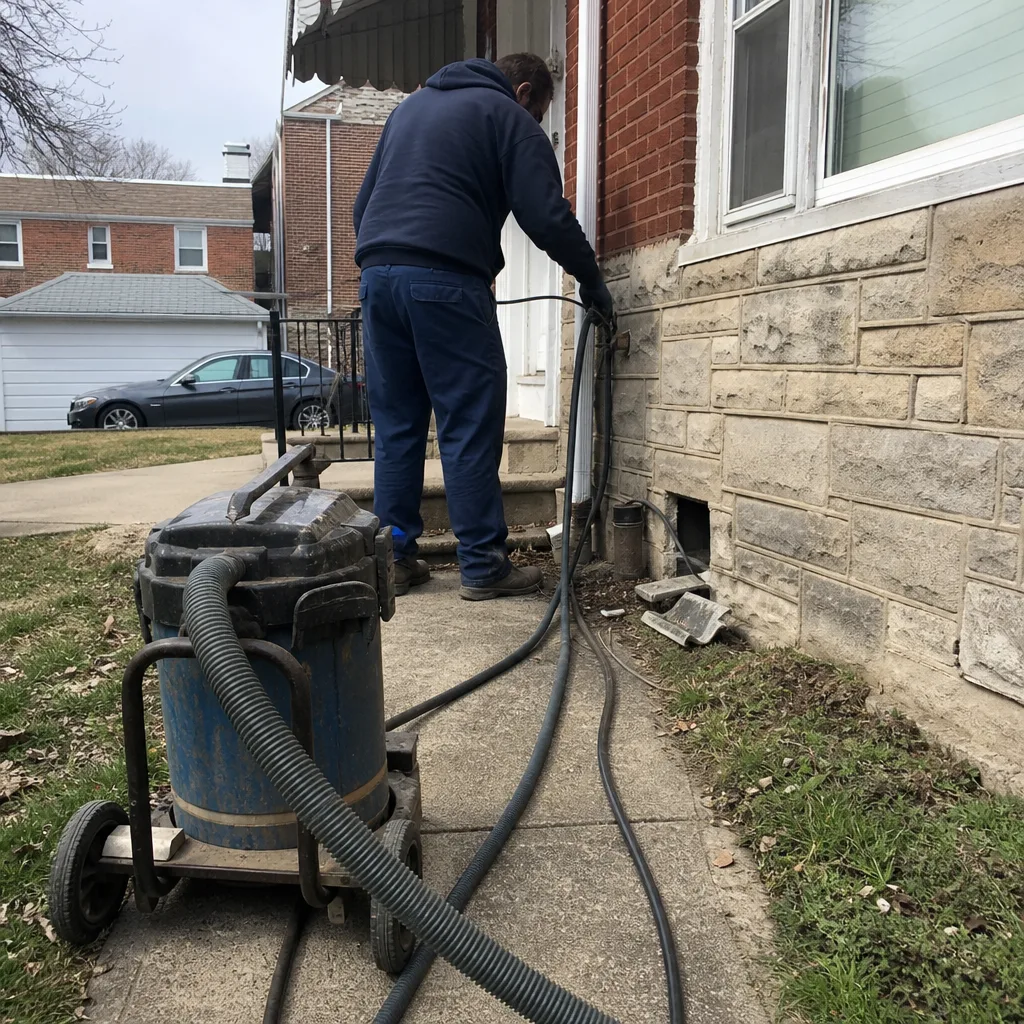 Before
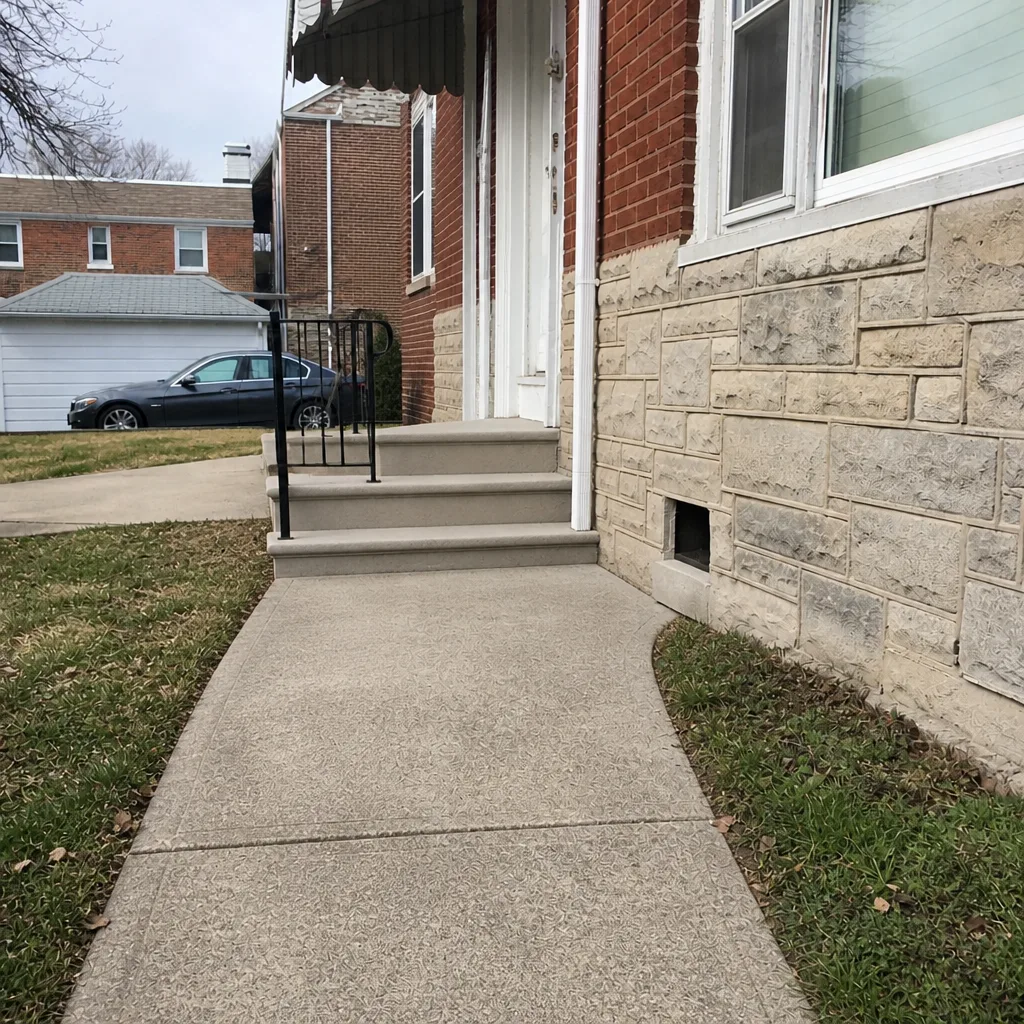 After
When to Call a Professional
Some signs of dirty or failing ductwork are obvious: visible dust blowing out of registers when the HVAC kicks on, an unusual musty smell in specific rooms, or a heating and cooling system that runs longer than it used to. Others are subtler: allergy symptoms that seem tied to particular rooms, unexplained dust buildup on surfaces even after cleaning, or a dryer that takes noticeably longer to dry clothes. Ductwork that’s been water-damaged or has visible debris behind a register boot needs a closer look. In our work around Torresdale, duct repair and sealing is the fix more often than homeowners expect because tearing and disconnection are common in older systems. Air Duct Cleaning Torresdale offers free estimates in Torresdale. Call (833) 482-6614. We answer 24/7 and offer fast dispatch from 7am to 7pm, Sunday through Friday.
Frequently Asked Questions
Cost depends on the size of your home and the complexity of your ductwork, not on how many vents you have. We price per system and put the price in writing before work starts. Call (833) 482-6614 for an exact quote; estimates are free.
Usually because the quote isn’t for the whole job. It’s a per-vent price for the easiest part of the system, with the trunk lines and other runs excluded. Once the technician is on site, the real price emerges. Ask for a whole-system, written quote before booking anything. Call (833) 482-6614 if you want to understand what’s involved in your specific home.
You should see before-and-after photographs or video of your own ductwork. Not stock photos. A contractor who documents findings and shows them to you is a contractor whose work you can verify. We show you what we find on every job. Call (833) 482-6614 to schedule a visit.
Most homes don’t have a fixed schedule prescribed by any authority. It depends on dust levels, pets, recent renovations, and any water intrusion in the system. Watch for the signals: dusty registers, musty smells, and dust buildup on surfaces after cleaning. If those signs show up, call (833) 482-6614 and let’s look at the system together.
No. Pennsylvania doesn’t issue a duct cleaning license the way it does for plumbers or electricians. That’s why equipment and process verification matter so much here. Ask the equipment questions and verify NADCA membership if claimed. If you want the details on our process, call (833) 482-6614.
Cleaning removes the dust and debris from inside the system. Repair and sealing fixes the leaks and disconnections that let contamination back in and cause air loss. In older Torresdale homes both are often part of the same job. Call (833) 482-6614 for a free estimate that covers both.
Our standard cleaning uses brush scrubbing and HEPA-filtered vacuum equipment, not chemicals. Where sanitizing is appropriate, we explain the products and process before applying anything. If you have concerns specific to your household, call (833) 482-6614 to discuss the approach.
We handle both. HVAC cleaning covers the coils, blower, and air handler; duct cleaning covers the distribution system. Doing both in the same visit means the system is cleaned as a system. Call (833) 482-6614 for a free estimate covering the full picture.
The Bottom Line
The duct cleaning industry’s real problem isn’t that some contractors are bad. It’s that the barriers are so low that the good ones are hard to tell apart from the rest. That’s why process verification is your only real quality filter in Torresdale. Ask the three equipment questions. Confirm whole-system pricing in writing. Verify insurance with a certificate. Watch for system sealing before vacuuming starts, documented findings, and before-and-after photos. Skip anyone who dodges any of it. That’s the entire hiring playbook, and it works because the honest contractors will answer it all without effort. The rest weren’t going to do the work properly anyway.
If you want to talk through your system, the equipment we use, and what a whole-system estimate looks like, we’re happy to help. Our technicians have up to 12 years of experience with Rotobrush, Nikro, and Abatement Technologies equipment, and we’ll show you what we find in your ductwork, not just what we cleaned. Call (833) 482-6614 for a free estimate in Torresdale. We answer 24/7, with fast dispatch from 7am to 7pm, Sunday through Friday.
Written by the team at Air Duct Cleaning Torresdale.